
Personalised Gifts Come in Many Forms!
Last Updated: 21 April 2026
Key Points
- Personalised gifts can be highly creative, from everyday items to unusual ideas like full-colour printed products on unexpected surfaces.
- The best results come from combining creativity with usefulness, so the item feels both thoughtful and practical.
- Our account managers typically guide clients toward items that people will actually keep and use, ensuring your branding stays visible longer.
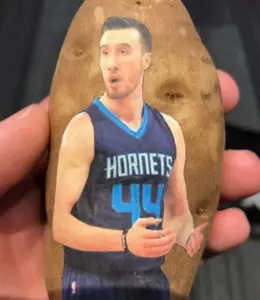
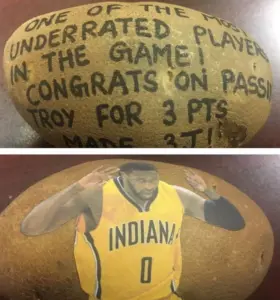
Personalised gifts can take many forms. Some are practical, such as a drink bottle engraved with an employee’s name. Others are deliberately unusual. One memorable example involved NBA players receiving personalised potatoes printed with photographs and messages. It was strange enough to attract plenty of attention, which was exactly what made the idea work. You probably do not need to send clients a potato, but it does highlight an important point: personalisation gives ordinary objects more meaning.
Branded and Personalised Are Not Quite the Same
A product with your company logo is branded merchandise. A product created specifically for the person receiving it goes a step further. Personalisation could include:
- Individual names.
- Initials.
- Job titles.
- Employee numbers.
- Different artwork for each recipient.
- Custom messages.
- Personalised packaging.
- Bespoke colours or designs.
Not every campaign needs individual names. For a conference with 1,000 attendees, event-specific artwork may be enough. For a small group of important clients, engraving each person’s name can make more sense.
Start With the Recipient
The easiest way to choose a personalised gift is to consider how the recipient will actually use it.,For employees, practical options might include:
- Branded notebooks
- Insulated bottles
- Backpacks
- Coffee cups
- Tech accessories
- Jackets or apparel
For clients, you might consider:
- Premium drinkware
- Compendiums
- Gift sets
- Homewares
- Desk accessories
- Travel products
The product itself should make sense before you add personalisation. Putting someone’s name on an item they do not want does not make it a better gift.
Use Names for Smaller Recipient Groups
Individual names work particularly well when the number of recipients is manageable. They can suit:
- Employee onboarding
- Staff recognition
- Executive gifts
- Client anniversaries
- Conference speakers
- Award recipients
- Long-term customers
A name can be added through methods such as engraving, printing or embroidery depending on the product. For example, an insulated bottle with a small company logo on one side and the employee’s name on the other can feel much more personal than standard staff merchandise.
Let the Packaging Do Some of the Work
Not every product has a large decoration area. Packaging gives you another opportunity to personalise the experience. You can include:
- Recipient names
- Welcome messages
- Thank-you notes
- Campaign artwork
- Event dates
- Instructions
- A short explanation of why the gift was chosen
This works particularly well when several items are being presented together in a staff pack or client gift box. It also allows the product branding itself to remain relatively subtle.
When Does Novelty Merchandise Work?
Unusual merchandise can be effective when the unusual product has a reason to exist. The personalised potato example worked because people immediately wanted to talk about it. A novelty product may suit:
- Product launches.
- Social media campaigns.
- Creative industries.
- Internal team events.
- Brand anniversaries.
- Campaigns built around humour.
Spuds first spotted here: https://www.espn.com.au/nba/story/_/page/QTP_170316NBApotato/sending-personalized-potatoes-nba-players