
Best Merch and Uniforms for an Effective Rebrand
Key Points
- A rebrand is easier to recognise when staff uniforms, merchandise and customer-facing materials all follow the same visual system.
- Start with a small core range of useful items such as polos, jackets, drinkware, notebooks and bags rather than branding too many products at once.
- Product colours, logo placement and decoration methods should be checked together before production so the new identity feels consistent.
- Staff uniforms are especially important because employees often become the most visible representation of a refreshed brand.
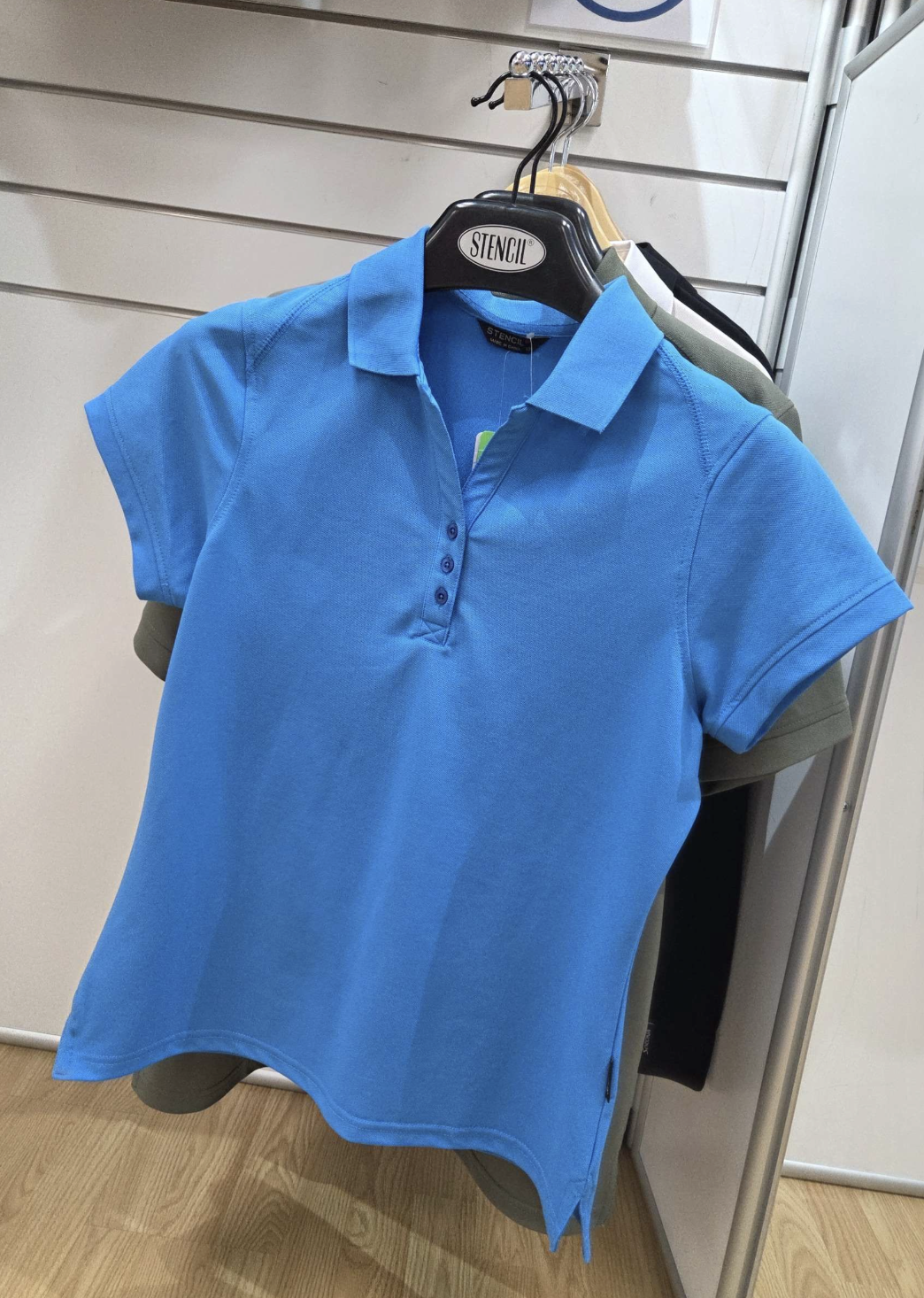
A rebrand can change how customers see your business, but a new logo alone will not create that change. The new identity needs to appear consistently across the places people actually encounter your organisation. That includes staff uniforms, events, client gifts, office merchandise and promotional products. The goal is not to cover every available product with the new logo. It is to choose a practical range that makes the new brand feel clear and intentional.
Start with uniforms
Uniforms can make a rebrand visible immediately because staff wear the new identity during everyday interactions with customers, suppliers, and event attendees. For many businesses, apparel should be one of the first areas updated. Good options include:
- Embroidered polo shirts
- Corporate shirts
- Branded jackets
- Hoodies for casual teams
- Caps and hats
- Hi-vis workwear where required
- Aprons for hospitality teams
Which merchandise works best with a rebrand?
A smaller range usually creates stronger recognition than dozens of unrelated products.
For an internal launch, a simple staff pack containing a new polo, notebook and drink bottle may be enough. For a public campaign, you might add tote bags, caps or event merchandise.
Keep the colours consistent without forcing exact matches
One of the biggest challenges in a merchandise rebrand is colour. The same brand colour can appear differently on polyester, cotton, plastic, metal and coated surfaces. A colour that looks accurate on screen may also change during printing or embroidery.
Before production:
- Compare available product colours with the new brand palette.
- Use approved light, dark or single-colour logo versions.
- Keep enough contrast between the logo and product.
- Check embroidery thread colours separately from print colours.
- Avoid choosing a product purely because its colour is close to the brand shade.
Sometimes black, white, or another neutral product with consistent logo treatment will look cleaner than trying to force every item into an imperfect colour match.
Match the branding method to the product
Here are the decoration methods that Swami Rossat, one of our account managers, recommends:
Complex logos may need to be simplified for embroidery, while detailed artwork may reproduce better with digital printing.
Review the whole range before launch
A notebook, polo and bottle may each look good individually but still feel inconsistent when placed together. Before approving a larger order, review all mock-ups side by side. Check:
- Logo size and proportions
- Colour consistency
- Placement
- Decoration quality
- Product style
- Packaging
- Whether any old branding remains
Physical samples are particularly valuable for uniforms because fabric, fit, embroidery and colour can be difficult to judge from a screen.
Make the rebrand visible in the right places
The strongest merchandise rollout is not necessarily the largest one. Start with staff uniforms and a few products people will genuinely use. Apply the new identity consistently, then introduce additional merchandise as new campaigns, events or customer needs arise.
Cubic Promote supplies custom uniforms, drinkware, stationery, bags and promotional merchandise in bulk for business rebrands. Speak with our team about samples, branding methods, and coordinated merchandise options before production.
