University and Education Merchandise Trends 2026: Proven Survey
We surveyed 21 marketing and events staff from Australian universities and education providers to learn how they use branded merchandise. To conduct this survey, we asked our account managers to call the universities and education providers they’ve worked with. The survey examined when merchandise is used, how products are chosen for different audiences, what matters most to students, and what makes teams reorder the same product.
Key Findings
- Orientation was the most common time to give out merchandise, with many education teams using branded items to welcome new students.
- 81% of education teams changed their merchandise depending on who received it, such as students, alumni, staff, or event visitors.
- For student merchandise, usefulness mattered most, followed by budget, sustainability, and brand visibility.
Where Do Education Providers Use Merchandise Most?
During the phone survey, our account managers asked participants where their organisation uses branded merchandise most.
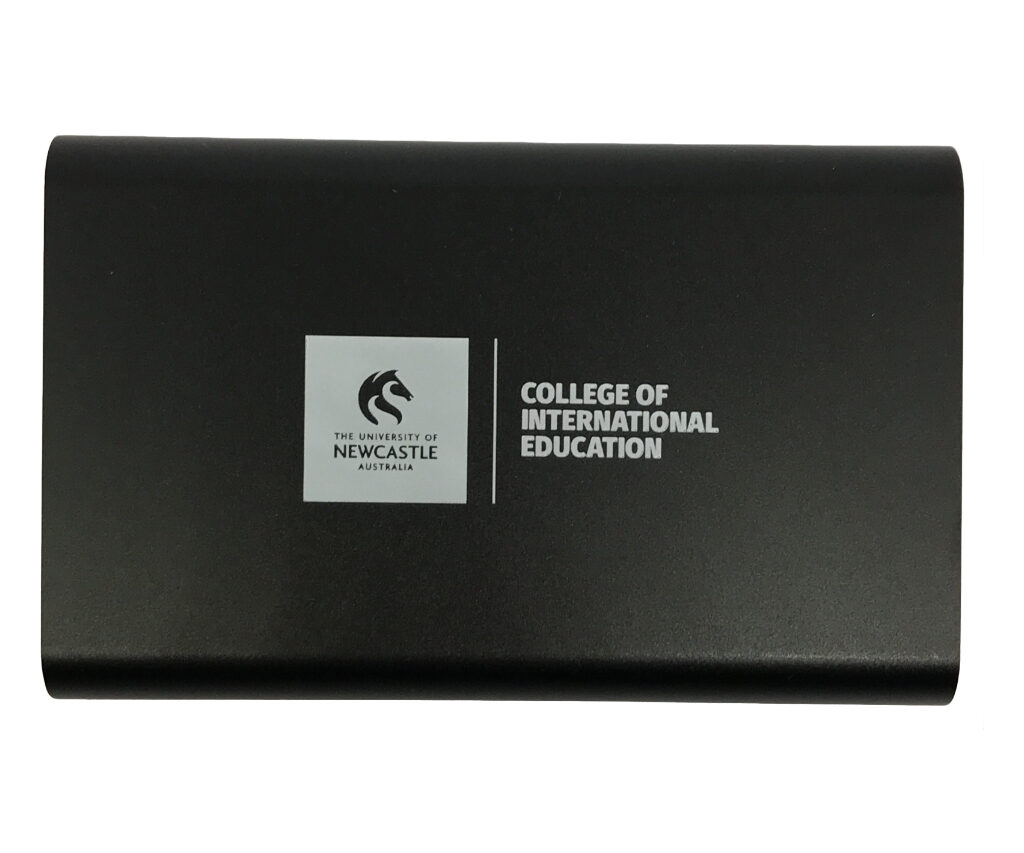
Based on the results, we found that most of the merch they ordered is for orientation and welcome programs. Open days and recruitment came next, showing that schools often use giveaways to welcome new students or introduce prospective students to the institution. For orientation orders when working with suppliers, education teams need to explain how the products will be distributed, whether they will go inside welcome packs, and how students will realistically use them after orientation week.
Do Education Teams Change Products by Audience?
We then asked a simple yes-or-no question about whether participants change their giveaways depending on the audience or program.
17 of the 21 use different merch for different audiences
This result makes sense because each audience has different connections to its institution. Some are first-year students; others are open-day visitors, while a few are alumni. Katherine Durham, one of our account managers, agrees with this because she thinks:
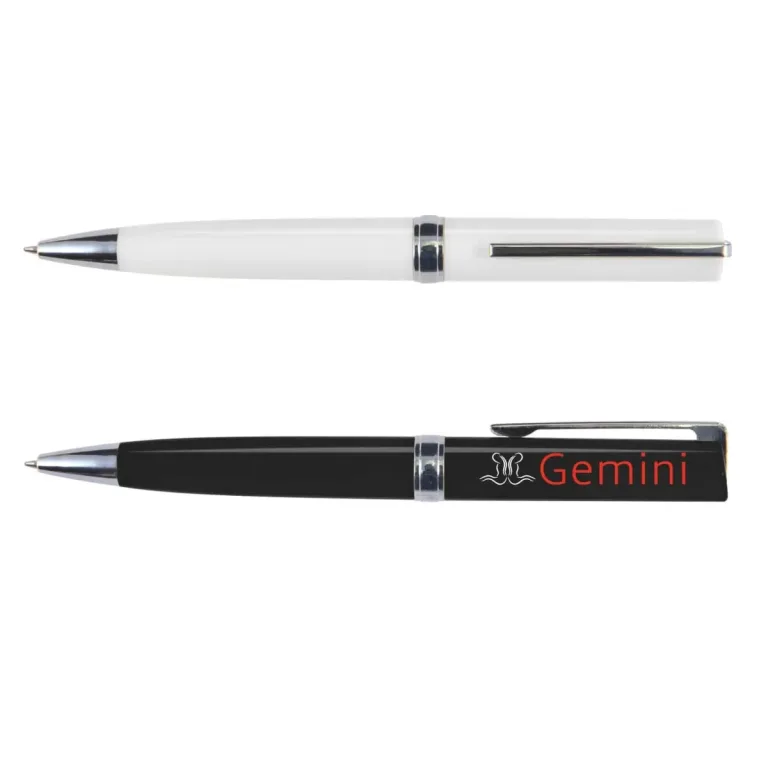
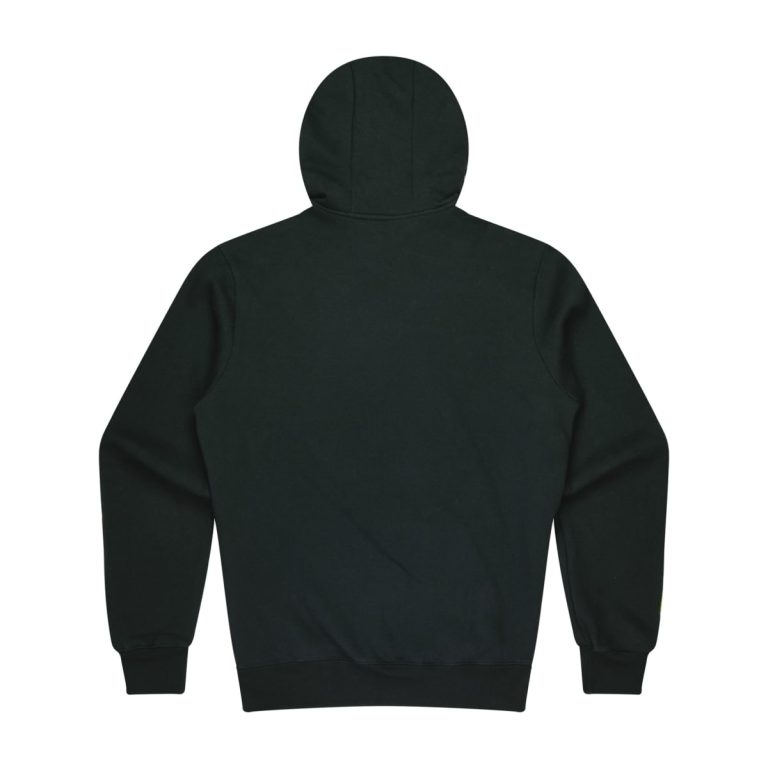
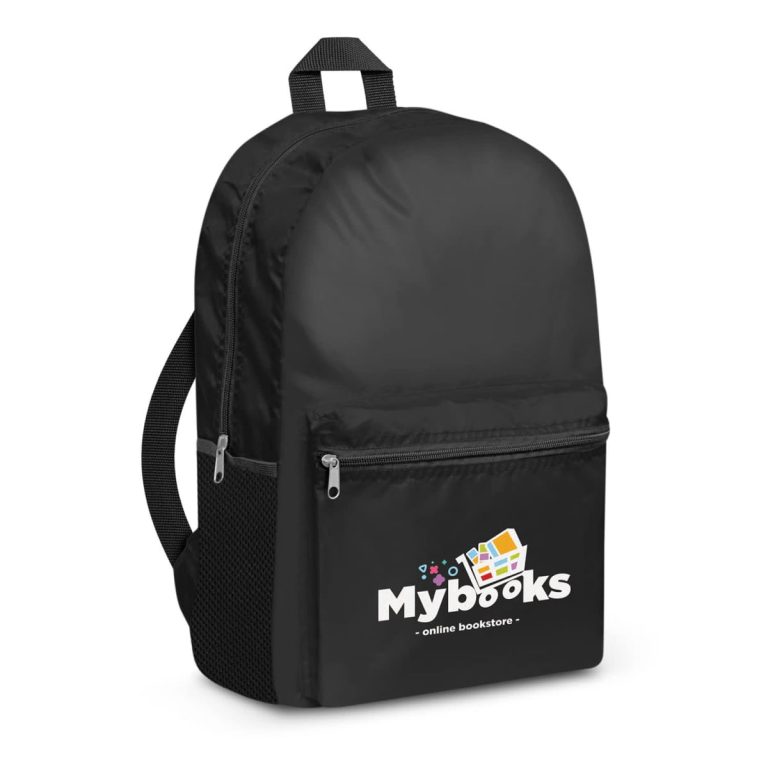
- Orientation products can be for everyday use, like pens, hoodies, or backpacks.
- Alumni and donors would love commemorative gifts, premium drinkware, branded apparel or keepsakes tied to a milestone.
- Open day participants need items like brochures and pens.
What Matters Most for Student Merchandise?
We also asked education team representatives to choose the one thing that matters most when selecting merchandise specifically for students.
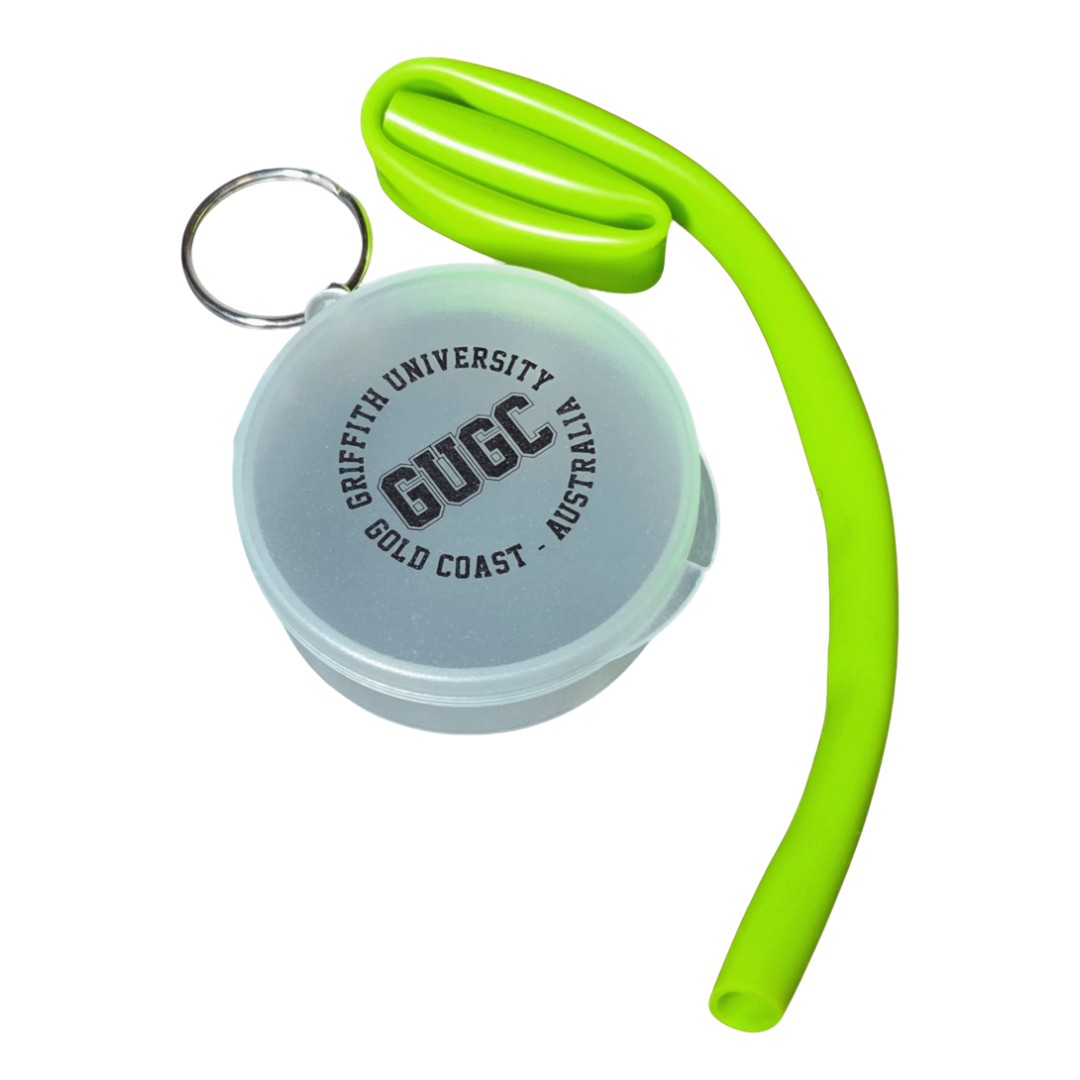
Everyday usefulness ranked ahead of budget, sustainability, distribution, and brand visibility for student merchandise. This is also how I, as a Creative Director, suggest merch for education providers I have worked with. I ask who they’re giving the merch to and try to visualize what that audience would need. For example, commuter students will prefer reusable bottles, backpacks, or charging accessories, while sporting groups or practical courses have different needs.
Our account manager, Regina Mangubat, advises education teams to give the supplier a clear student profile before asking for product ideas. Explain who the students are, where the merchandise will be handed out, how often it is likely to be used, the quantity, budget and required delivery date. This gives the supplier enough information to recommend products that suit both the students and the program, instead of sending a broad list of options.
What Makes Education Teams Order a Product Again?
For the final question, we asked participants to choose the main sign that a product was worth ordering again.
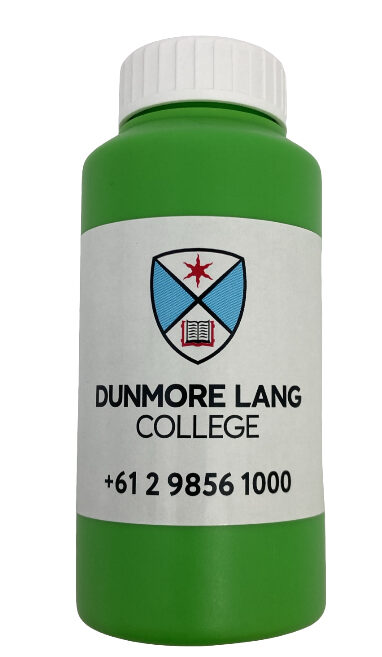
Seeing students or other recipients keep using merchandise was the strongest reason to order it again, along with receiving positive reactions from students. For our account managers, the post-order conversation can also go beyond confirming delivery. Asking which products stayed in use gives us useful information for the next orientation, recruitment event or alumni program.
How Education Teams Can Use These Findings
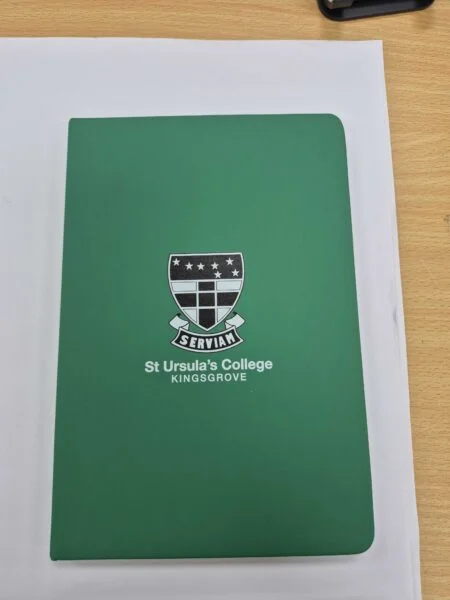
After this survey, education marketing and events teams can take a few practical lessons into future merchandise planning to make product choices more relevant to each program.
- Separate merchandise by program: Build different product lists for orientation, recruitment, alums, fundraising and staff programs. Each group receives merchandise for a different reason.
- Start student orders with daily behaviour: Look at what students carry, wear and use during a normal campus day, then use those habits to shape the product brief.
- Match quantities to each audience: Base faculty, alums and event orders on expected recipient numbers so the quantity reflects the size of the actual program.
- Track what stays in use: Ask event teams, faculty, and students which products they kept using after distribution, then carry those findings into the next order.
- Set product quality around expected use: Choose materials and construction based on how often students or staff will carry, wear or use the merchandise throughout the semester.
Ready To Buy?