5 Products Telecom Brands Use for Marketing
Last Updated: 5 June 2026
Key Points
- Telecom giveaways work best when they match daily phone habits and keep brands visible over time.
- Go for practical items that solve small problems, such as charging or cleaning screens, as these are more likely to be kept and reused.
- Focus on relevance and quality—avoid random or low-grade products, as they weaken brand perception.
When telecom brands launch marketing campaigns, their goal isn’t just to grab attention for a day. They want to stay visible for the long term. In my experience, the most successful campaigns don’t depend on flashy giveaways. Instead, they use items people already use with their phones. That’s what matters. If a product fits into daily life, people keep it. If not, it gets forgotten.
In this blog, I listed five items that I’ve seen telecom brands choose the most as giveaways (based on experience).
Why Telecom Merch Needs to Fit Daily Use?
Admit it or not, but telecom brands are part of our daily lives. We check our phones all the time. We charge them, carry them, and depend on them. So the merchandise needs to match that behaviour. That’s why, if you’re considering giving out merch, I suggest you go for items:
- Connected to phone use
- Solve a small problem related to phones
- Easy to carry or keep with you
1. Power Banks
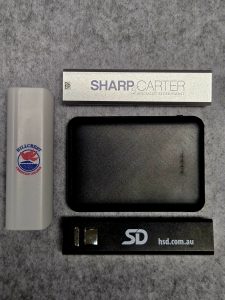
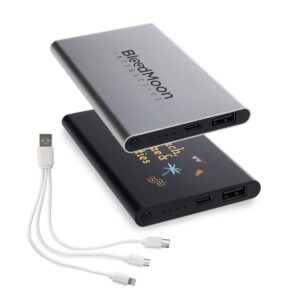
Power banks are one of the best items in telecom campaigns. They solve a problem almost everyone has faced: running out of battery. A power bank fixes this right away, so people see its value immediately. They don’t have to wonder if they’ll use it.
- Useful when travelling or commuting
- Keeps phones active throughout the day
- Seen as a higher-value item
From a campaign perspective, this works well for promotions tied to data plans, connectivity, or reliability. It reinforces the idea that the brand keeps people connected. One thing to remember: don’t choose the cheapest option. If the power bank doesn’t work well, people will stop using it.
2. Charging Cables

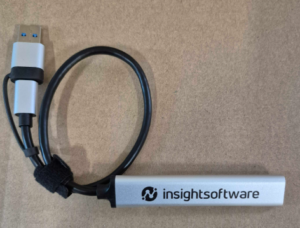
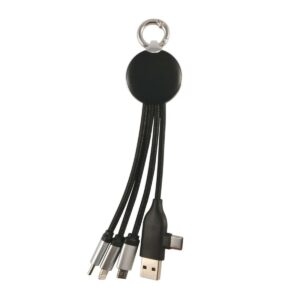
Charging cables are simple, but they’re among the most used items. Most people have more than one cable. They keep extras at work, at home, in the car, and in their bags. That’s why these get picked up quickly at events.
- Easy to distribute in bulk
- Used across multiple locations
- Constant daily use
Our clients love to order multi-connector cables. Because they’re practical and you can use them for all types of devices.
3. Phone Stands

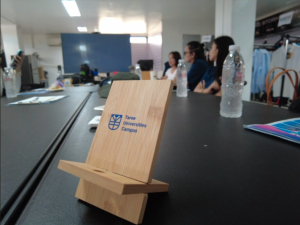
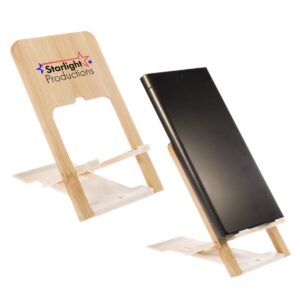
Phone stands are different. They aren’t meant to be carried around, but to stay in one place. Once someone puts a phone stand on their desk, it usually stays there, giving your brand steady visibility.
- Used during video calls
- Handy for watching content
- Keeps phones accessible on desks
A client ordered these and shipped them out to their remote teams. These custom phone stands also give you a larger branding area than smaller items do. That helps with visibility over time.
4. Screen Cleaning Kits

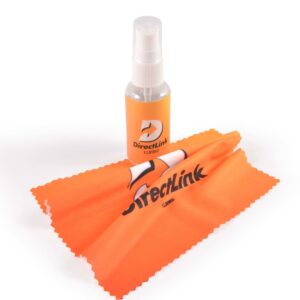
Screen cleaning kits are something people don’t think about until they have one. Phones get dirty fast, and screens pick up fingerprints and dust all day. A cleaning kit solves this easily.
- Small and easy to carry
- Used regularly
- Low cost for bulk campaigns
We had an order of these screen cleaning kits for a trade show event. Because these items are practical and handy, they were a hit at the event. It even led to an increase in the number of booth visitors. Read the full case study about the Screen Cleaners for Zscaler.
5. SIM Card Kits and Travel Accessories
This is a more specific option, but it fits well with telecom messaging. SIM kits usually include storage slots, ejector pins, and small organisers. They’re especially useful for people who travel or switch devices.
- Relevant for international use
- Compact and easy to distribute
- Ties directly to telecom services
I’ve seen these used in campaigns about roaming, travel plans, or global connectivity. They don’t fit every campaign, but when the message is right, they work well.
How These Items Compare
Each product serves a different purpose. Some get used every day, while others are for specific situations.
To put it simply, cables and power banks encourage regular use, while phone stands help your brand stay visible.
What Works Best for Different Campaigns?
Not all telecom campaigns are the same. The product should fit the campaign’s goal. For mass awareness, lower-cost items like cables and cleaning kits work well because they’re easy to give out in large numbers. For targeted campaigns, such as customer retention or premium offers, power banks or stands are a better fit.
- Mass campaigns → cables, cleaning kits
- Mid-range campaigns → phone stands
- Higher-value campaigns → power banks
Common Mistakes To Avoid
Some patterns don’t work well. One is picking items that have nothing to do with phone use. When that happens, the product feels disconnected from the brand. Another mistake is choosing items that are too cheap. If something breaks or doesn’t work, it hurts the brand’s image. I’ve also seen campaigns with too many products, which usually reduces impact because people focus on just one and ignore the rest.
- Products with no link to telecom use
- Low-quality items that don’t last
- Overloading campaigns with too many products
Insights From Us
Telecom marketing is most effective when the product fits naturally into people’s phone habits. In my experience, the best campaigns use practical items—things people reach for every day. If a product becomes part of someone’s routine, your brand stays with them. That’s what makes a campaign work. If you’re planning a large campaign, focus on usefulness first. Once you get that right, everything else falls into place.
Ready To Buy?