How to Build a Strong Culture When Half Your Team Works From Home
It can be challenging to build a strong workplace culture when employees work in different places, on different schedules, and have different daily routines. With a team spread across Australia, the Philippines, Vietnam, and India, we have learned that a strong hybrid culture takes effort.
In this guide, we cover:
- How to build culture across remote and office-based teams
- Employee merchandise ideas that suit hybrid workplaces
- How to plan onboarding kits and staff gifts
- Common rollout problems our account managers recommend avoiding.
Start With Consistent Communication
Remote and office-based employees often experience the working day differently. Office employees may hear updates in casual conversations, while remote employees receive information only through formal channels. That’s why you have to make sure to:
- share decisions in a central platform
- document actions after meetings
- recognising remote and office employees equally
- calling team members when a discussion becomes too detailed for messages
- giving new employees clear points of contact.
Make the First Day Feel Personal
Starting a new job remotely can feel isolating. A new employee may receive login details and meeting invitations without experiencing the welcome that naturally happens in an office. That’s why we recommend that hybrid teams prepare welcome kits for their employees.
Regina Mangubat, one of our account managers, works with Cubic Promote clients on staff uniform programs, corporate events, and brand activations. When helping a client plan a welcome kit, she considers how each product fits the employee’s normal routine, as well as the available budget, delivery address, and start date. A practical remote onboarding kit might include:
- a comfortable branded T-shirt, polo or lightweight hoodie
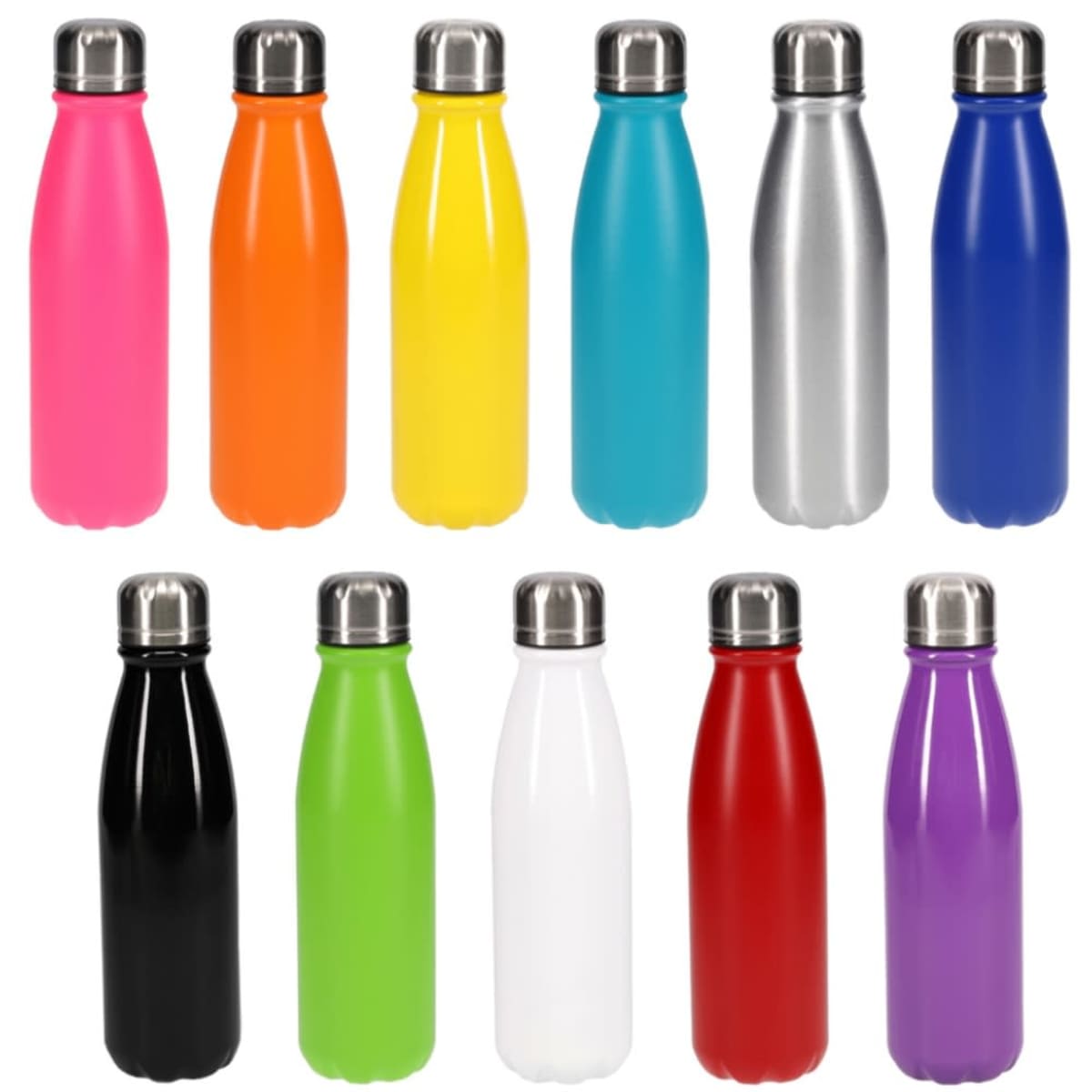
- a reusable drink bottle or insulated tumbler
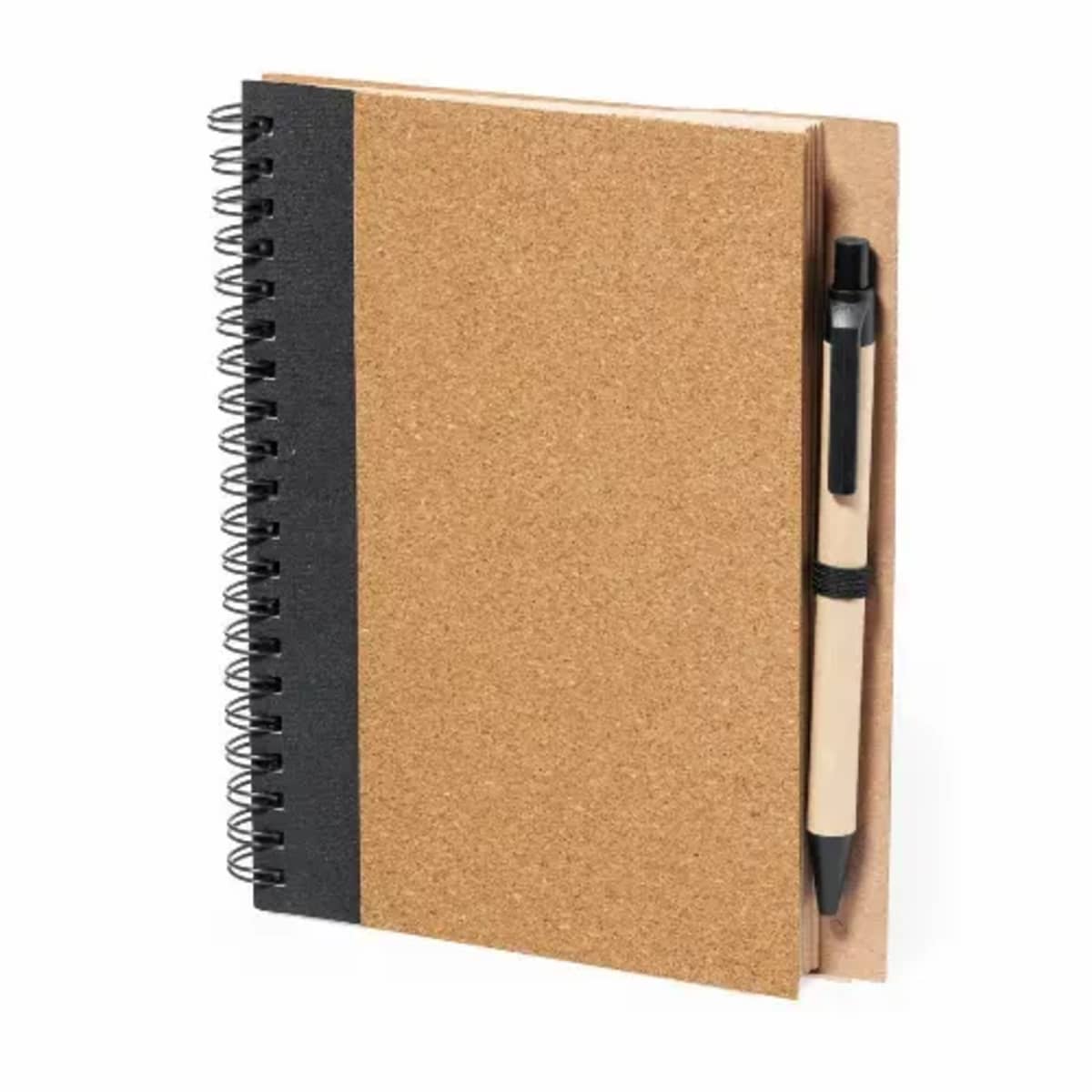
- a branded notebook and pen
- a laptop sleeve or mouse mat
- a short welcome note signed by the employee’s manager.
We suggest sending the kit so it arrives just before the employee’s first day. Having a parcel ready before their first team call feels thoughtful and organised. If the welcome kit arrives weeks later, it will not have the same effect.
Build Small Rituals Across Locations
Culture usually grows from repeated small moments, not just one big event. Hybrid businesses can create shared rituals that include employees regardless of location. These might include monthly recognition calls, online morning teas, project celebrations or anniversary acknowledgements.
Merchandise can support these rituals when it is connected to a specific achievement. For example:
- a premium drink bottle for completing probation
- a branded jacket for a major work anniversary
- a desk accessory for finishing a large project
- a gift hamper for an employee recognition award
- a personalised notebook for a leadership or training program.
Choose Merchandise Employees Will Actually Use
When choosing products, start by thinking about the employee’s daily routine, not just what is available in a catalogue. Our account managers usually ask clients where employees work, how often they travel, and how the items will be distributed.
-
Drinkware
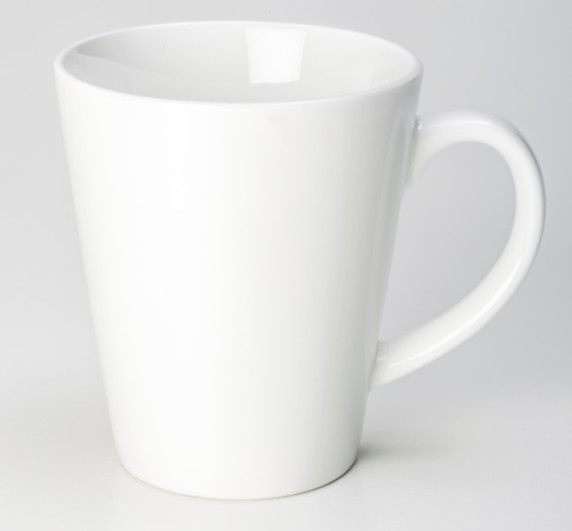
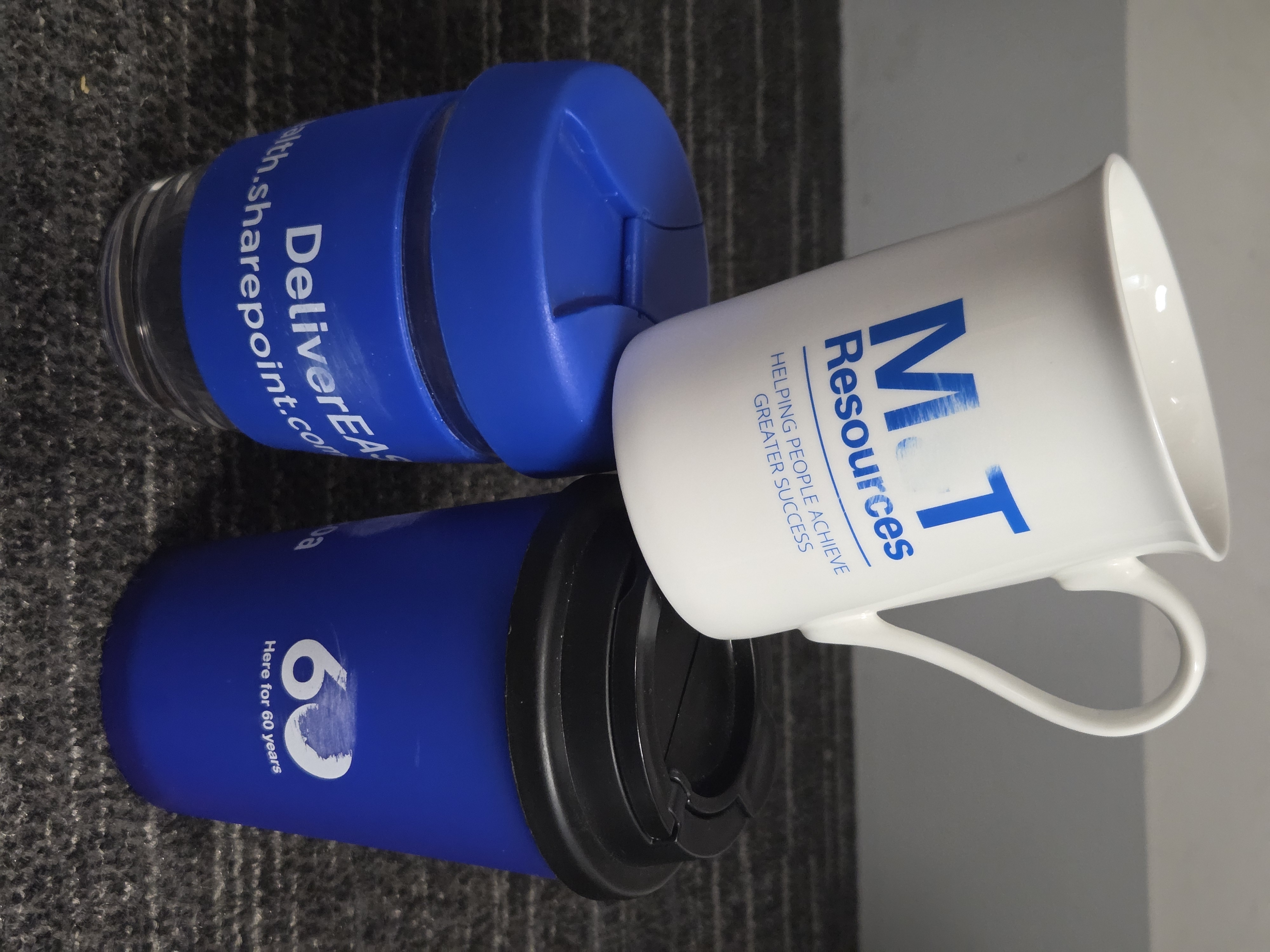
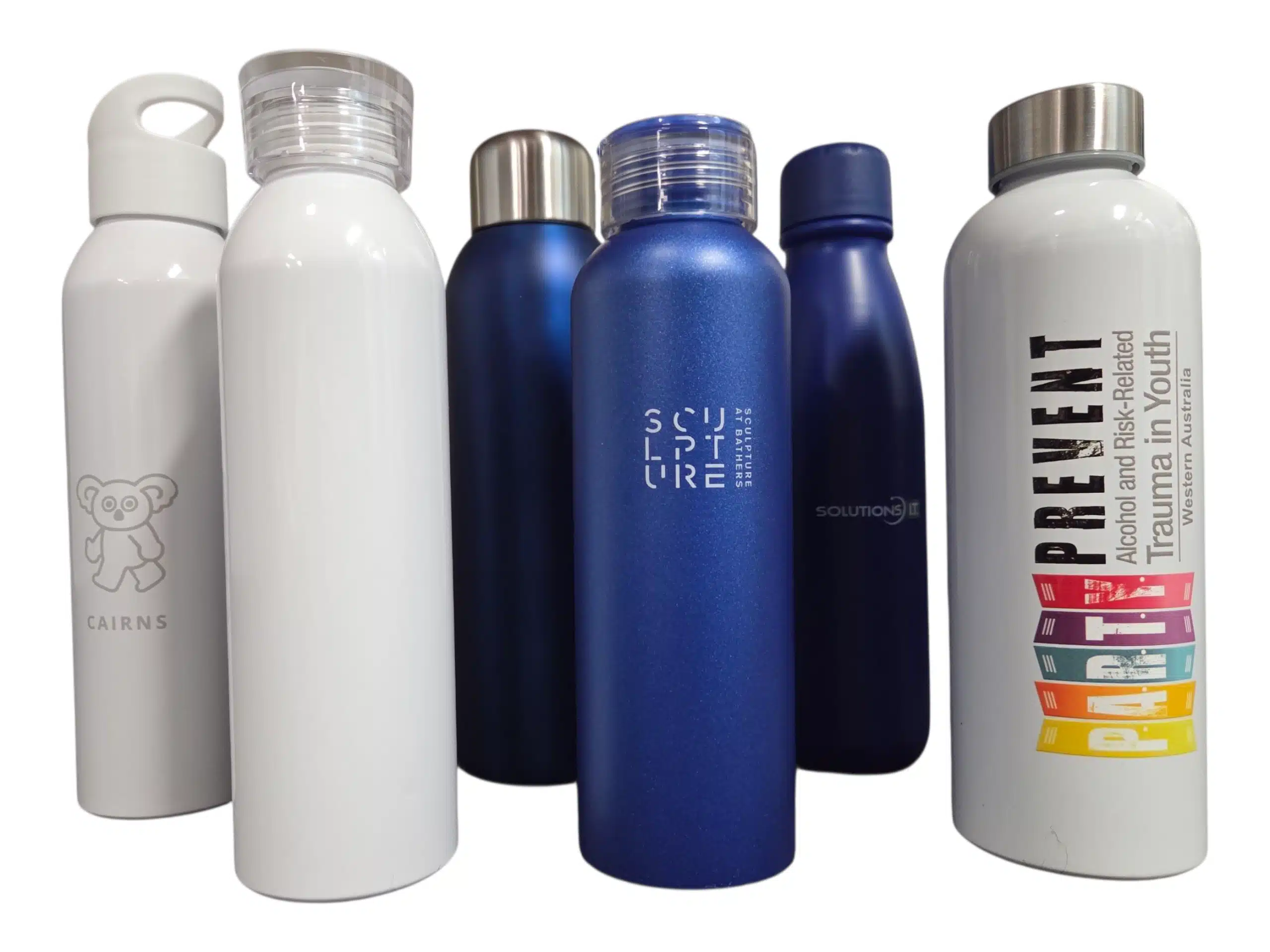
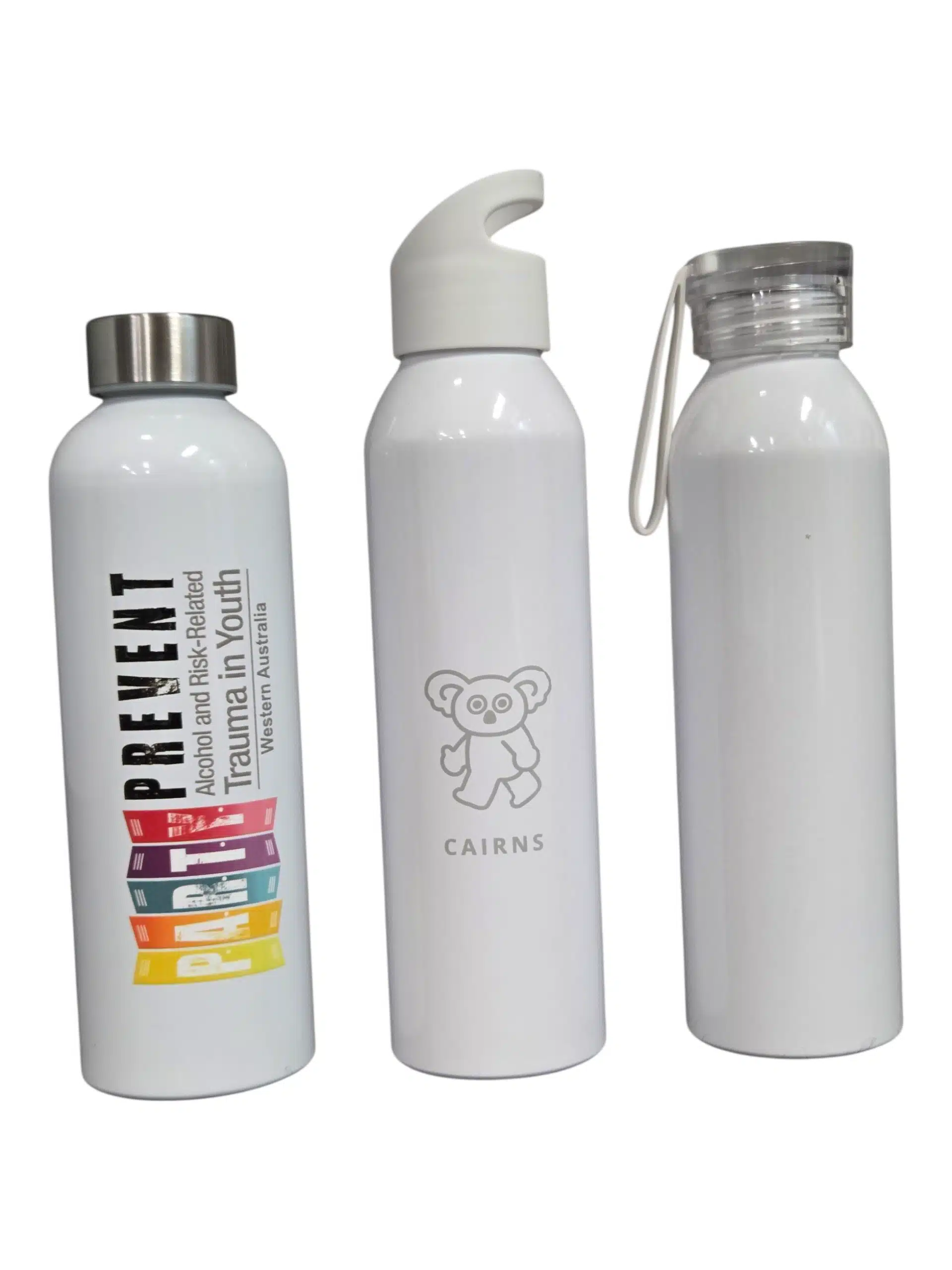
Reusable drink bottles, travel mugs and insulated tumblers work well for hybrid teams because employees can use them at home, during their commute, in the office or at the gym. If you’re considering drink bottles, go for options that are easy to clean and comfortable to carry. One of our account managers, Swami Rossat, mentioned that most of the clients he’s worked with preferred to keep their logos minimal (1 colour print only).
-
Notebooks and Pens
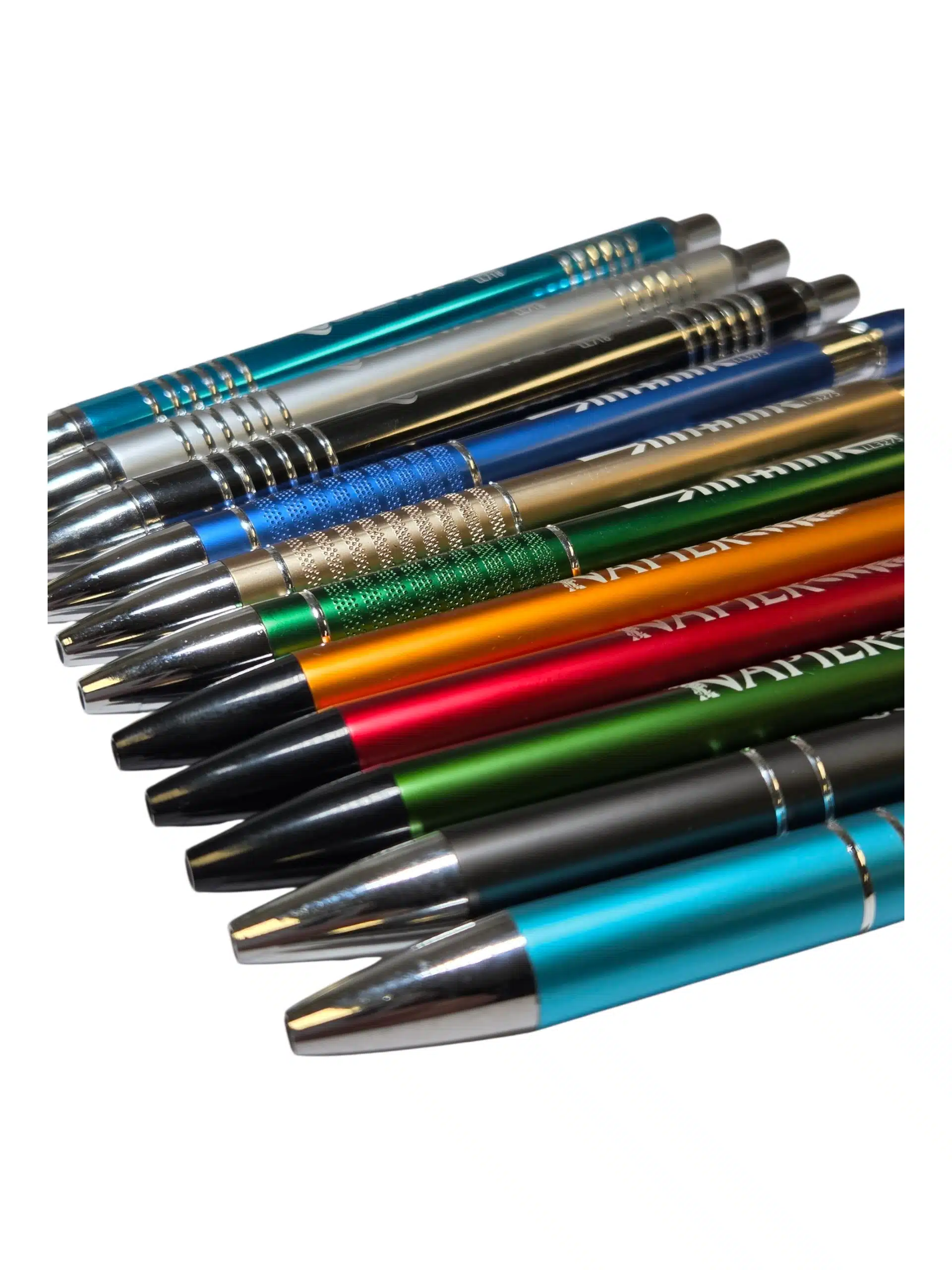
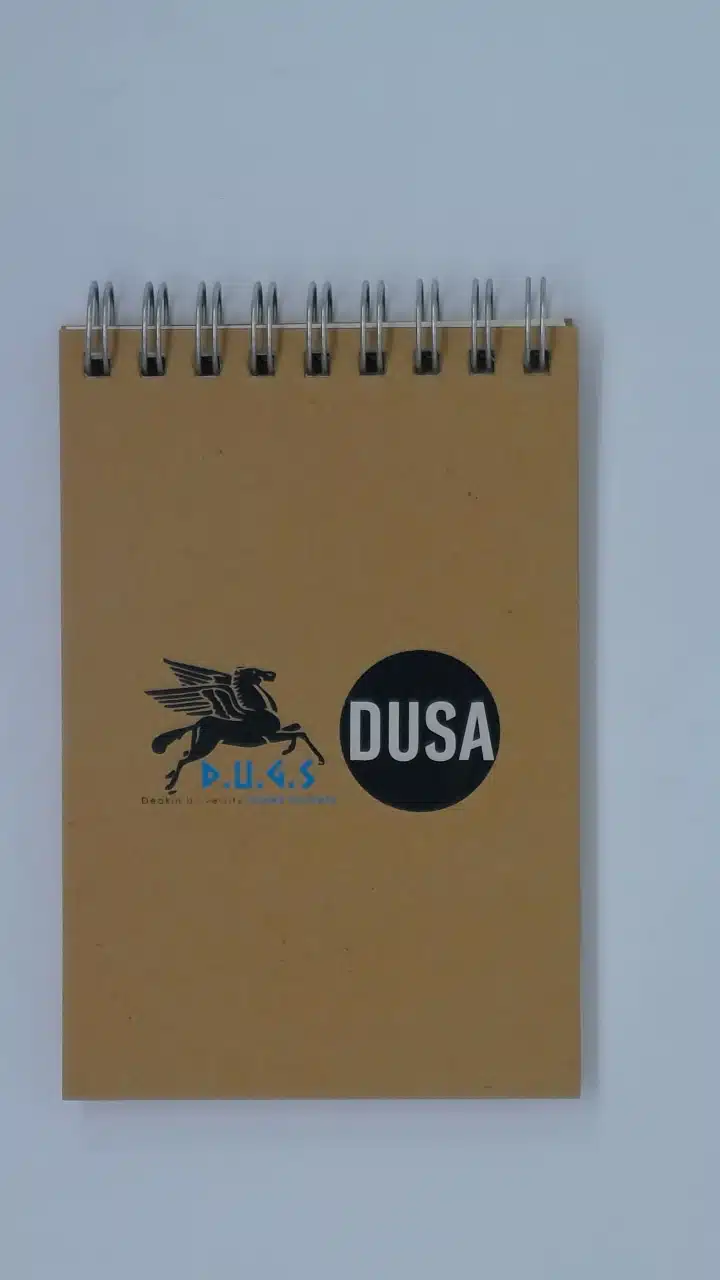
A branded notebook is useful for onboarding, training, planning, and meetings. It is a simple choice that works for most roles and industries. Pairing a quality notebook with a smooth-writing pen creates a useful set without significantly increasing the size of the welcome pack.
-
Technology Accessories
Employees who move regularly between home and the office may appreciate:
- laptop sleeves
- charging cables
- wireless chargers
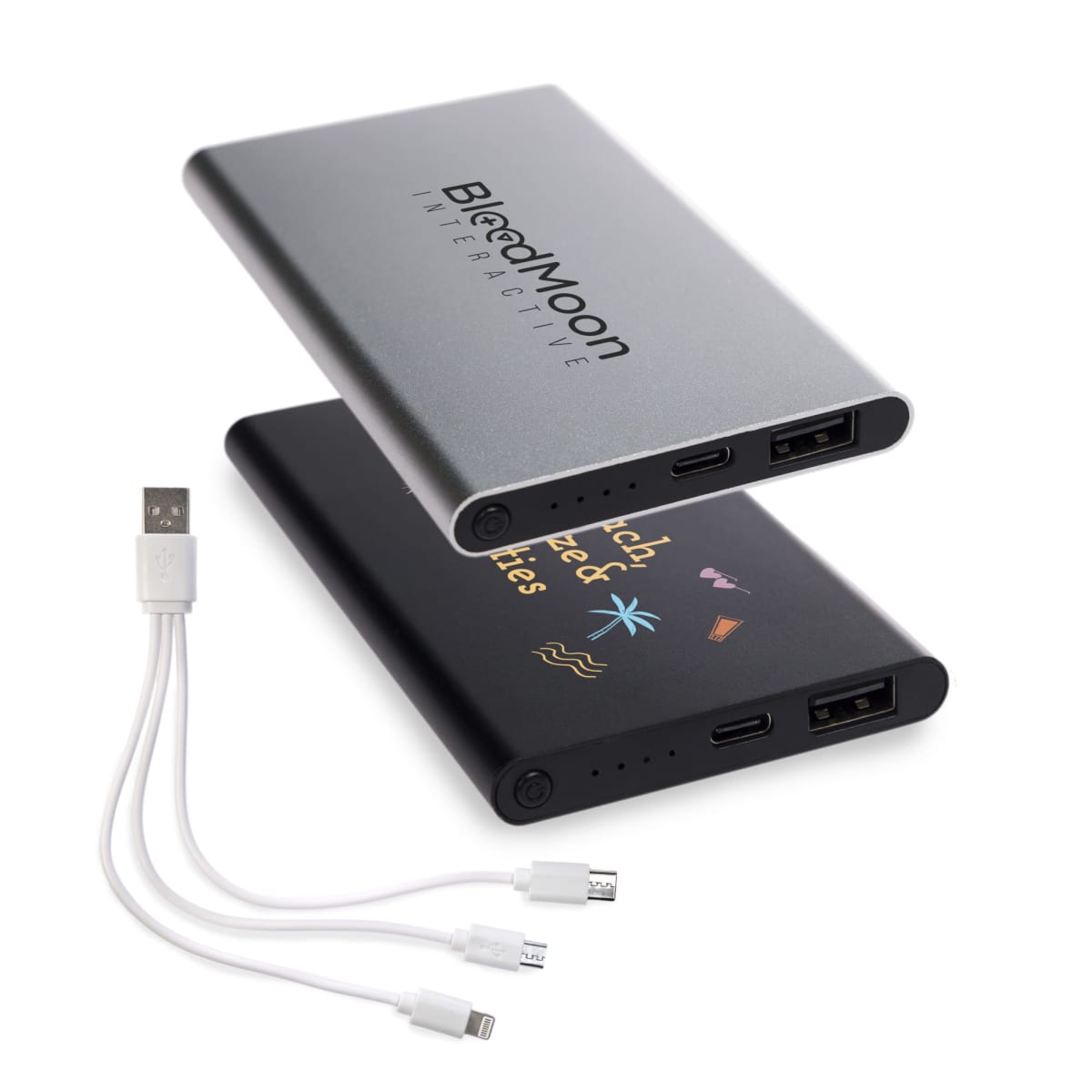
- power banks
- webcam covers
- cable organisers.
Before ordering technology products, confirm they are compatible with your team’s devices.
-
Branded Apparel
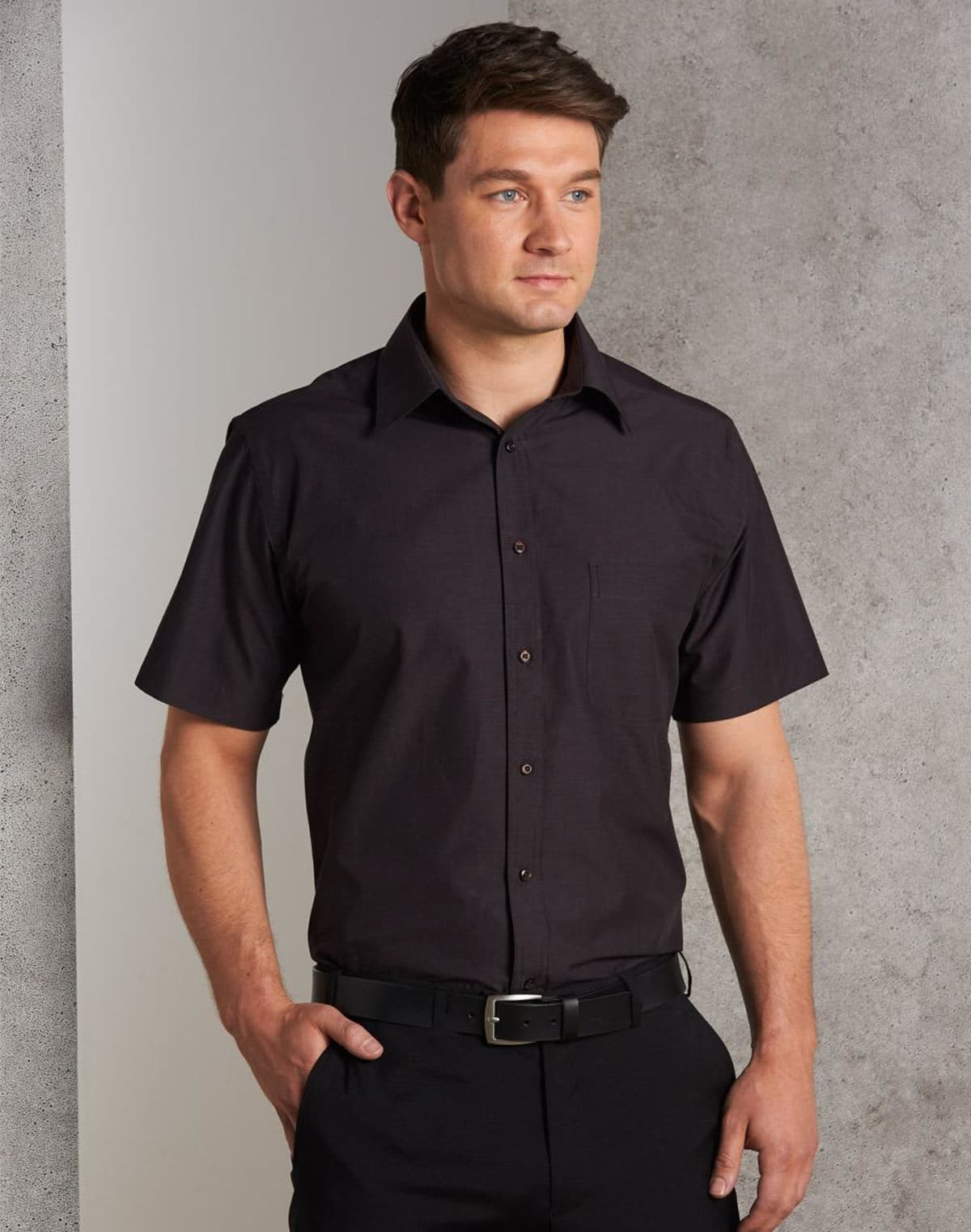
Staff apparel can create a stronger sense of belonging, particularly during events, conferences, client visits and company gatherings. Popular choices include:
- cotton T-shirts
- business polos
- lightweight hoodies
- softshell jackets
- caps and beanies.
Comfort is more important than having a big logo on clothing. I suggest offering a wide range of sizes and opting for a single branding position so employees feel comfortable wearing them even outside work.
-
Work-From-Home Essentials
Products designed for a home workspace can also be effective, including:
- desk mats
- mouse pads
- reusable coffee cups
- notebooks
- cable organisers
- small desk plants
- lunch bags.
Try not to pick items that take up a lot of space or require employees to change their home office setup.
Include Remote Employees in Recognition Programs
Use clear criteria to recognise achievements and make sure that your remote employees are included in them too. When sending a gift, include a personalised note explaining what the employee has achieved. This gives the product meaning and prevents it from feeling like a generic corporate giveaway. Here are some suitable recognition gifts that Shealeigh Keeney, one of our account managers, likes to recommend:
- premium branded drinkware
- jackets or quality apparel
- personalised notebooks
- backpacks or laptop bags
- picnic sets
- gift hampers
- useful travel accessories.
- Ask Employees What They Prefer
One of the simplest ways to choose the right merch is to ask your employees what they would like to have. A short survey can help you understand:
- preferred garment styles
- drinkware preferences
- common home-office needs
- whether employees travel between locations
- products they already own
- The previous gifts they found useful.
Getting feedback from employees can help avoid waste and ensure the business selects products that matter to the team.
Culture Comes From Consistent Experiences
Culture grows from how people communicate, how managers handle problems, how achievements are recognised, and whether employees feel included in key decisions. This matters even more when teams are spread across offices, homes, cities, and countries. Physical products can strengthen these experiences when they:
- arrive at the right time
- serve a clear purpose
- include remote and office employees equally
- connect to a meaningful company moment.
A few carefully selected items will usually create a stronger impression than a large box of unrelated products.
Ready To Buy?