
Hi-Vis Workwear Mistakes We See Fail Site Inspections
We’ve put together seven common issues that businesses should watch out for, so you can get your team’s workwear right the first time you order.
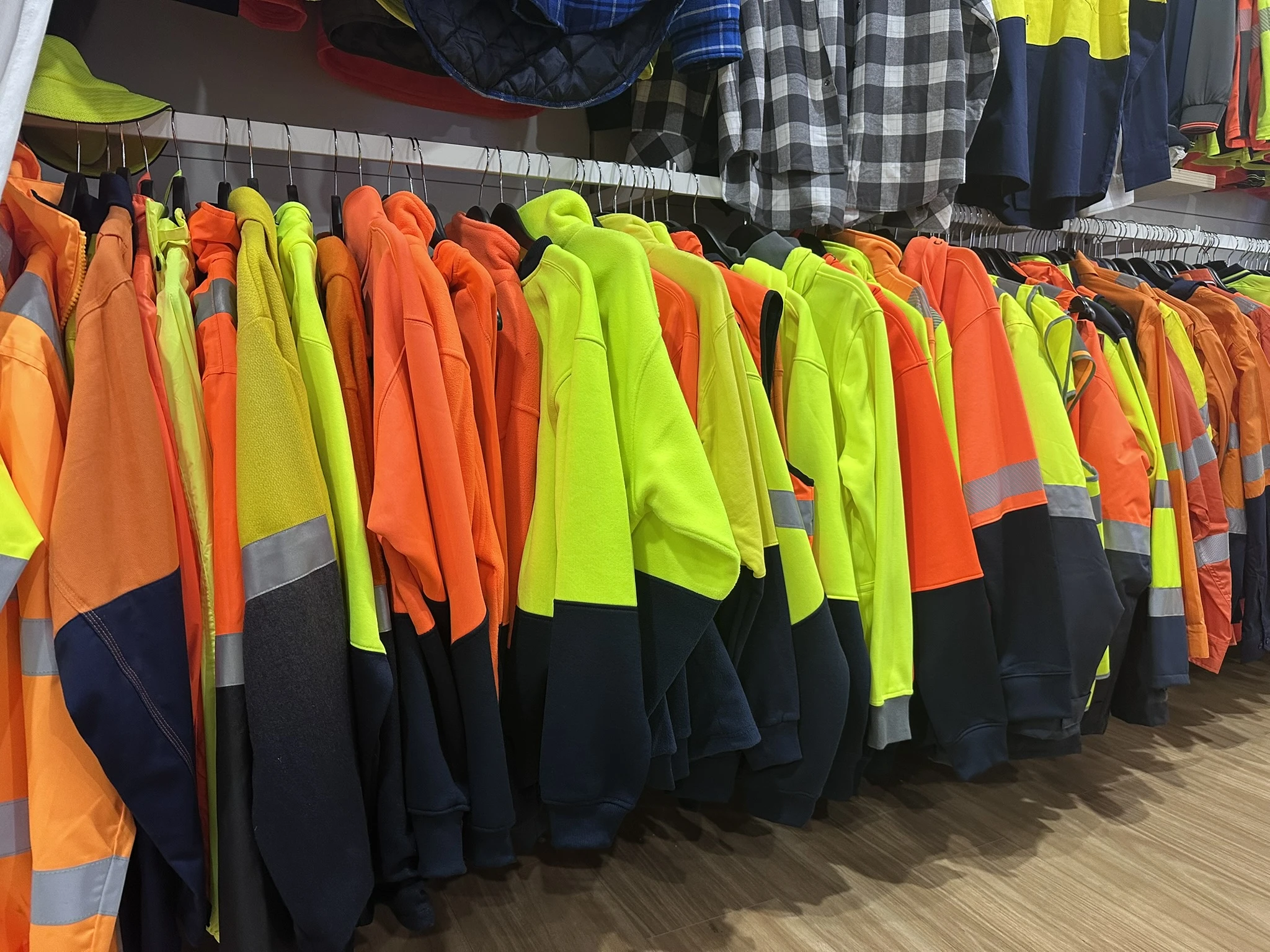
Wrong Hi-Vis Class
Not all hi-vis clothing is suitable for both day and night work. A fluorescent yellow polo meets the requirements for daytime visibility, but that doesn’t automatically make it suitable for employees working after dark.
Australia’s AS 4602.1:2024 standard covers high-visibility safety garments for high-risk situations. It identifies different clothing classes according to the visibility conditions they’re designed for.
For example, road maintenance workers who start before sunrise may need different uniforms from a landscaping crew working during daylight hours. Check the required garment classification with your site safety manager before requesting a bulk quote.
Is Bright Yellow Clothing Always Compliant?
No, a bright yellow or orange shirt isn’t automatically compliant with Australian hi-vis requirements. The material, colour, garment design and visible surface area all matter. Look for:
- The applicable Australian standard
- The garment’s stated visibility class
- Manufacturer labels and product information
- Any additional requirements set by your worksite
You may come across older products labelled AS/NZS 4602.1:2011. Since the 2024 edition is now current, check whether your site’s safety team accepts the garment and whether it satisfies the project’s requirements.

Printing Mistakes to Avoid
Adding your company logo helps identify employees and contractors, but the artwork must not compromise the garment’s visibility features. Large printed designs, patches, or poorly placed logos can interfere with the areas required for safety. Here are common mistakes to avoid:
- Printing company logos across reflective tape
- Covering large sections of high-visibility fabric
- Placing oversized branding on the back
- Adding patches without checking their position
- Approving artwork without reviewing the finished placement
When To Replace Faded or Damaged Hi-Vis
Sunlight, repeated washing, dirt, and general use can gradually affect the material and reflective features. Regular inspections are important because a garment can become unsuitable even when it hasn’t developed obvious holes.
Ask supervisors to check clothing regularly, especially when workers perform outdoor or high-risk tasks. Keeping spare garments available also makes it easier to replace clothing that no longer provides adequate visibility.
Sizing Problems That Can Affect Safety
Poorly fitting workwear can make it difficult for employees to move comfortably and wear their clothing as intended. Oversized garments may get in the way, and tight shirts or jackets can restrict movement during physical work. Before ordering, collect accurate sizes from your team and check the manufacturer’s measurements. Pay attention to:
- Men’s, women’s and unisex sizing options
- Garment measurements rather than size labels alone
- Movement during normal work tasks
- Space for additional clothing underneath
- Whether closures and reflective panels sit correctly
If you’re unfamiliar with a particular style, Mark Tyssen, our Business Development Manager, suggests that you ask for physical samples from us. Staff can try the garments before you commit to a larger order, which may help reduce sizing problems later.
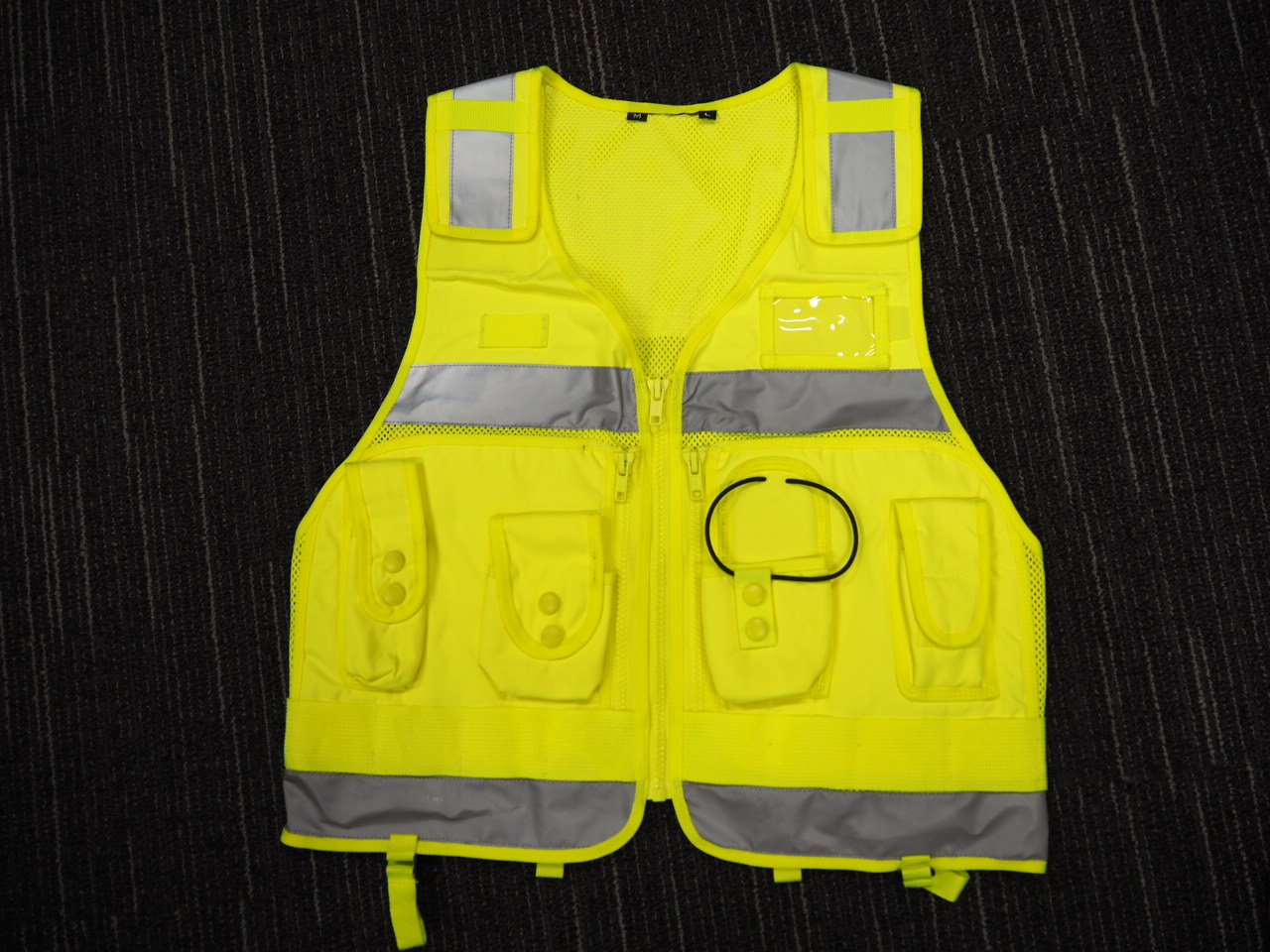
Sort Out Your Requirements First
Preparing uniforms for a new construction project or workplace team? Send us your site’s clothing requirements, preferred garment styles, and staff size breakdown. We’ll help you compare suitable hi-vis products and discuss branding options that work with the available decoration areas. Call us at 1300 858 288 today!
Ready To Buy?