How Ethical Sourcing Standards Shape Our Product Range
Last Updated: 24 August 2026
Every product in our catalogue begins with choices most customers never notice: who makes it, under what conditions, and from which materials. In this blog, we’ll talk about our ethical sourcing policy and how our policy shapes which suppliers we partner with and the items we include in our range.
Why sourcing standards matter
When you order and give out merch at an event, the merch becomes associated with your brand. If a supplier cannot answer basic questions about factory conditions, materials, or compliance, that creates a reputational risk for your order as well as ours. A branded product represents your company, and if it fails or raises questions about how it was made, it reflects on your brand. This is why we always make sure our account managers are trained and knowledgeable about our policies. We prefer to remove that risk before a product joins our range, rather than deal with issues after a client has already given it to their customers or staff.

What we check before we add an item to our range
A lot of suppliers contact us to include their products in our range. But before we add, we always do our research to check:
- Factory accreditation – valid certifications (BSCI, SEDEX, or equivalent) for the manufacturing site, not just a claim on a spec sheet
- Material transparency – knowing exactly what a garment or item is made from, including fabric blends and any coatings or finishes
- Labour conditions – fair wages and safe working environments, confirmed through audits instead of relying on a supplier’s marketing claims
- Environmental impact – reduced packaging, recyclable materials, and lower-waste production processes where alternatives exist
- Product durability – testing to ensure items last through real use, because a product that fails quickly weakens the sustainability argument no matter how it was sourced.
These are the questions that I and Charles, our CEO, ask the suppliers before we include them in our catalogue or recommend them to clients.
What this means when you place an order
You don’t need to become a supply chain auditor to source responsibly. That’s our job as your supplier. But it helps to know what to ask if it matters to your organisation:
So if your current supplier cannot answer these questions clearly, then it’s time to reconsider and look for suppliers who source their products ethically.
Where this shows up most in our range
Some product categories carry more sourcing risk than others, so we weight our scrutiny accordingly:
- Apparel and uniforms get the closest attention given labour-intensive manufacturing
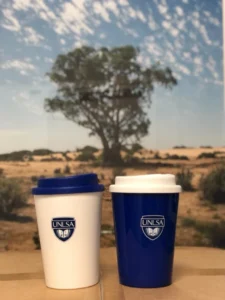
- Drinkware and hard goods are checked for material safety and recyclability
- Tech accessories are reviewed for component sourcing and battery compliance
- Paper-based items are checked for sustainable stock and low-impact inks
There are also Australian regulations that these items should follow.
The trade-off we manage
Ethically sourced products may sometimes cost a bit more or take a little longer to get, especially for unique materials or small production runs. We believe this is a fair trade for merchandise that won’t cause problems for your brand later, whether from poor durability, negative publicity, or just looking cheap compared to a competitor’s giveaway.
Our team includes this information in quotes from the very first conversation, so there are no surprises later on. If a cheaper, less transparent option is available, we’ll let you know it exists, and we’ll also explain why we didn’t offer it to you first.
What we advise
Ethical sourcing is not just a box to tick or a line on a sustainability report. It is a standard we apply before a product ever reaches our catalogue, because the products with your logo should stand up to scrutiny just like your brand does.
Want to know the sourcing story behind a specific product? Get in touch with our team, and we’ll walk you through exactly where it comes from.
Ready To Buy?