How to Build Brand Recall When You’re Not the Biggest Name in the Room?
Last Updated: 25 June 2026
Key Points
- Brand recall comes from repeated visibility, useful merchandise, and positive customer experiences.
- Smaller businesses often stand out through fast service, personal communication, and consistent branding.
- Our account managers recommend practical, high-quality products that people keep and use regularly.
We’ve supplied giveaways and displays to 1,063 events across Australia (including trade shows). We’ve even participated at a trade show filled with corporate giants, and let us tell you, it’s challenging to get your brand remembered. It can be tough to compete with bigger brands, especially at conferences, trade shows, networking events, or in busy industries where they get most of the attention. But some smaller businesses regularly outperform bigger competitors because they know how to build strong brand recall. In this blog, we cover:
- What brand recall actually means?
- Why visibility matters in competitive industries?
- How can smaller businesses stay memorable?(based on our firsthand experience)
- The role of customer experience in brand recognition
- How do promotional products support long-term visibility?
What Is Brand Recall?
Brand recall means someone can remember your business later without any reminders. For example, when someone remembers a company because of the branded notebooks you gave out during an expo. Or when you recognise a logo you saw from a previous conference. This is important because people are more likely to choose what feels familiar. People usually feel more comfortable picking businesses they know instead of ones they’ve never heard of.
Visibility Matters More Than Perfection
Many businesses spend a lot of time perfecting branding details but forget to stay consistent. But in reality, being visible matters more. A business that consistently appears across:
- events
- email communication
- branded products
- presentations
- community involvement
This approach often makes a business more memorable than those that only show up now and then with fancy campaigns. Consistency creates familiarity. Katherine Durham, one of our account managers, always believes that it takes multiple touchpoints before a customer makes an inquiry. That’s why it’s important to stay consistent, to appear across channels and events to build familiarity.
People Remember Experiences More Than Advertisements
One reason smaller businesses can compete well is that personal experiences often stick with people more than big advertising campaigns. A positive interaction with:
- an account manager
- an event staff member
- a support team
- a delivery experience
These moments can leave a stronger impression than expensive marketing.
Smaller Businesses Often Have an Advantage
Big companies sometimes struggle to feel personal. Smaller businesses often have advantages because they can:
- respond faster
- communicate more directly
- personalise interactions
- adapt more quickly
- build stronger relationships
These qualities can help people remember your brand better than expensive ads alone. Many buyers remember businesses because you solved their problems quickly or made the process easier. People remember these experiences long after the meeting is over.
Consistent Branding Builds Recognition
Brand recall gets much stronger when businesses are consistent across every way they connect with people. This includes:
- logos
- colours
- messaging
- product quality
- communication style
- event presentation
Promotional Products Help Extend Visibility

As a merchandise supplier, we have tried every marketing channel out there. And the most effective way to get them to remember you is not through ads, but through good merch. Seeing it over and over quietly builds familiarity. However, not all merchandise creates a strong brand recall. Some of the products businesses commonly use for long-term visibility include:
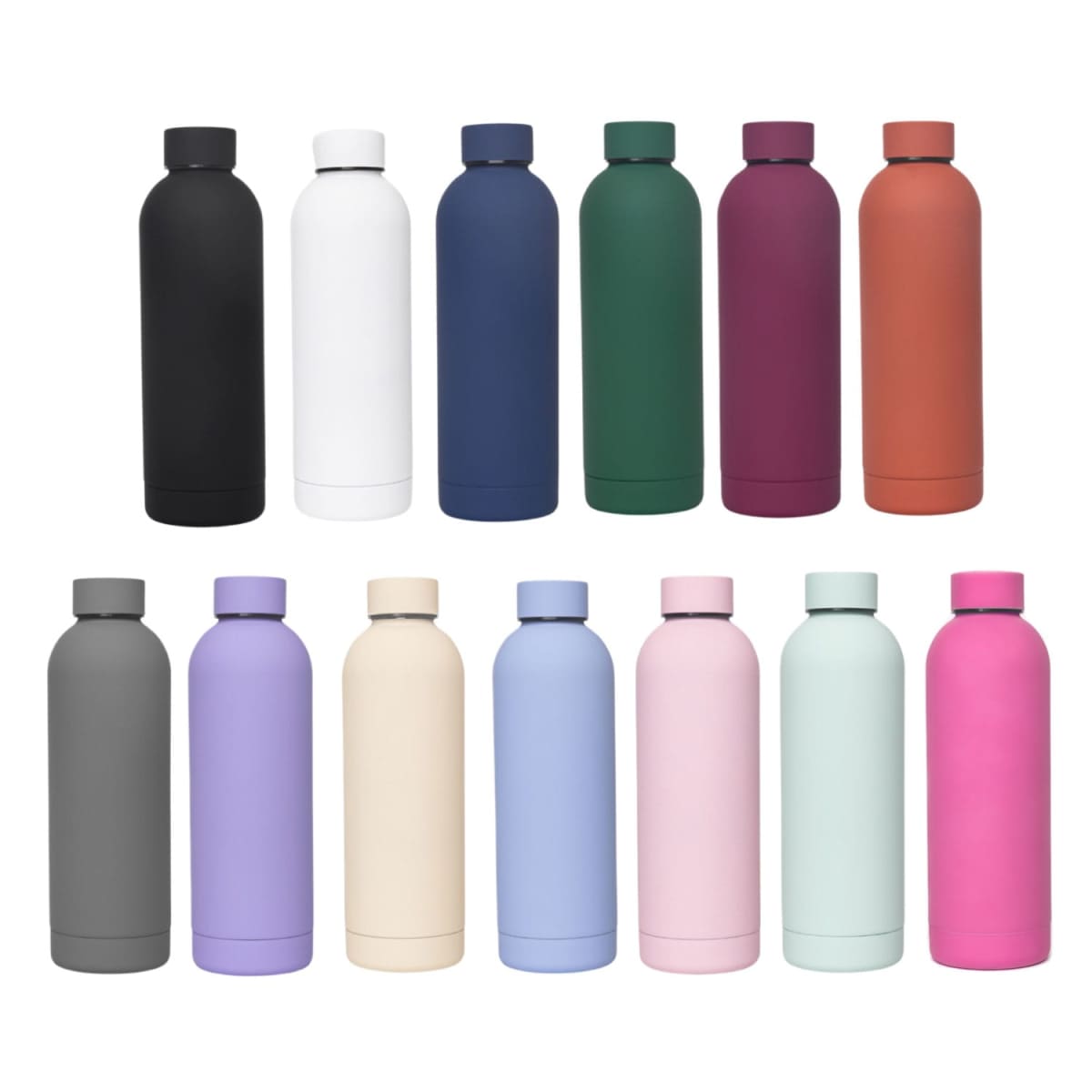
- Reusable drink bottles
- notebooks
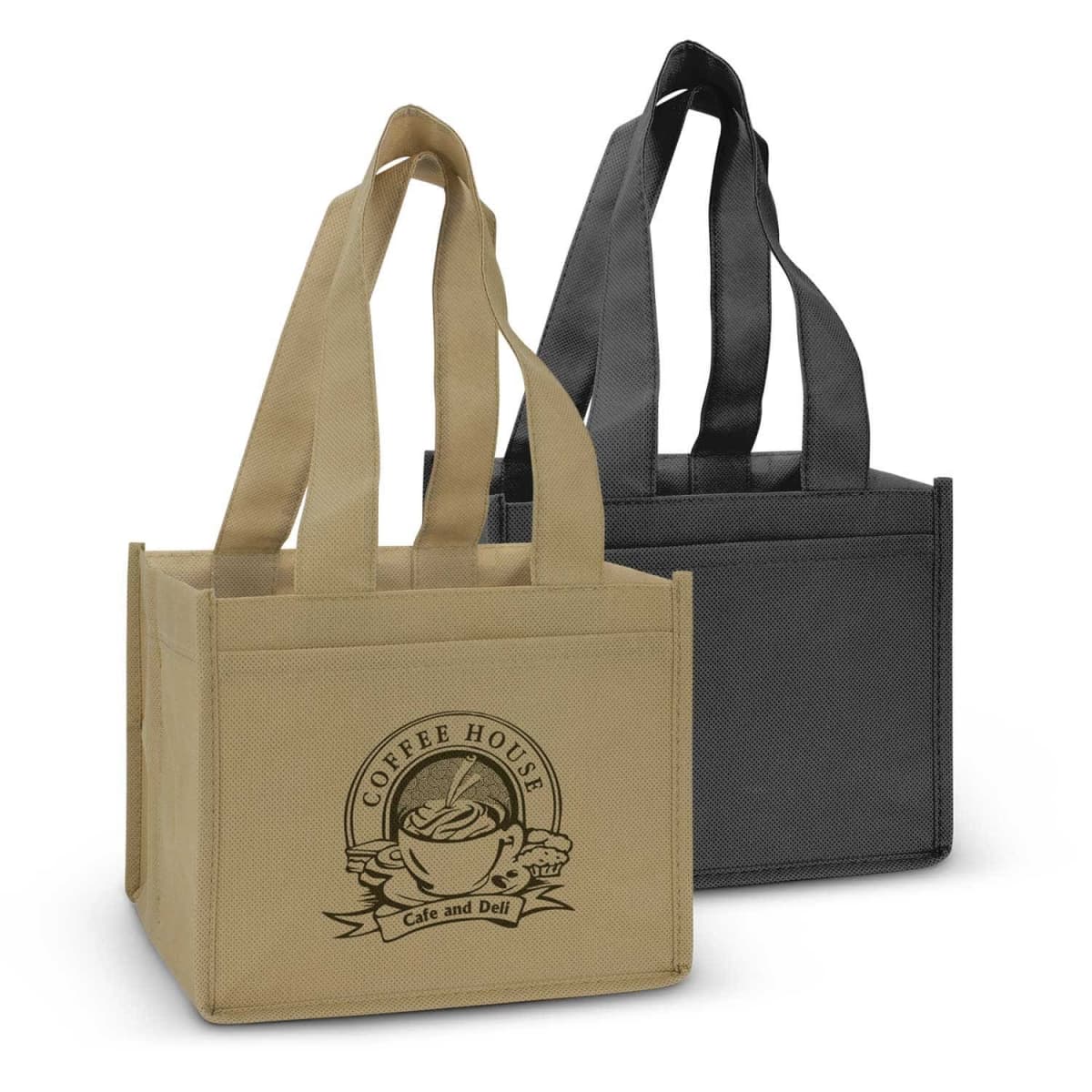
- tote bags
- umbrellas
- apparel
- coffee mugs
- desk accessories
According to the Australasian Promotional Products Association (APPA), 82% of customers respond positively to giveaways. And 95% of the consumers they surveyed was able to recall the brand who gave away a free jacket at an event.
Quality Affects Brand Perception
A common mistake is choosing quantity over quality. Low-quality products can hurt your reputation because people often judge your company by what you give them.
We always emphasise that choosing products that properly suit the audience and branding goals is crucial. Understanding branding techniques and how products will actually be used helps businesses create stronger impressions instead of simply distributing random items. This practical approach matters because thoughtful products feel more intentional and professional.
Repetition Creates Familiarity
A big misconception about branding is that you need dramatic campaigns to be memorable. In fact, being seen repeatedly often matters more than one big campaign. People usually remember businesses after:
- seeing the brand multiple times
- hearing the name repeatedly
- interacting with products consistently
- encountering familiar visual branding
All of these things work together to help people remember your business over time. Smaller businesses can compete well by staying visible over time, instead of trying to grab all the attention at once.
Events Create Powerful Recall Opportunities
Industry events remain one of the strongest environments for building recognition because they combine:
- visual branding
- personal interaction
- product exposure
- conversation
- networking
The key is to create memorable experiences, not just hand out brochures. Practical event strategies include approachable staff, clean booth presentation, and useful giveaways. We have supplied merch to events across Australia. One pattern we consistently see is that the businesses we remember most positively are rarely the loudest. They are usually the ones creating the smoothest and most genuine interactions.
Customer Service Shapes Brand Memory
Many businesses treat branding and customer service as separate, but they’re closely connected. Clients remember:
- response times
- communication quality
- reliability
- problem-solving
- professionalism
A late delivery or poor communication can hurt your brand’s reputation much more than a fancy logo can help it. This is especially true in industries involving:
- events
- urgent deadlines
- production coordination
- multi-location deliveries
Great service creates positive memories of your brand. At Cubic Promote, we focus on logistics and communication to keep client trust, since many campaigns have tight deadlines and complex deliveries.
Emotional Connection Matters
People remember businesses that make them feel something. It doesn’t have to be dramatic—small positive moments often leave the biggest impression.
For example:
- thoughtful onboarding packs
- helpful account managers
- stress-free ordering experiences
- practical branded gifts
- genuine communication
These feelings influence future buying decisions more than many businesses realise.
Smaller Brands Should Lean Into Their Strengths
Trying to copy bigger competitors often doesn’t work out. Smaller businesses usually perform better when they lean into their natural strengths, like your flexibility, responsiveness, and expertise. These strengths often help people remember your business better than trying to look bigger than you are. Clients remember businesses that are easy and enjoyable to work with.
Ready To Buy?