
How the Duffle Bag Evolved: From Our Research
Key Points
- Sports bags originated from duffle bags in Belgium and evolved into essential carry solutions over time.
- Modern designs include added compartments and durable materials to suit sports, travel, and daily use.
- Branded sports bags offer strong visibility while serving practical needs across teams and industries.
Sports bags are now a familiar sight at gyms, airports, and weekend sporting events. However, the story behind the modern duffle is much older than its current role as a branded gym or team bag.
There is no single recognised inventor. Instead, the bag developed gradually from a type of fabric, through military use, and eventually into the sports and travel designs we know today.
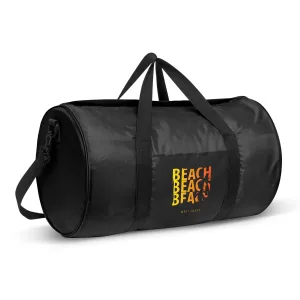
The story starts in Duffel, Belgium
The word duffel comes from Duffel, a Belgian town associated with a coarse, heavy woollen cloth. Merriam-Webster traces the word to the town and records its use for the fabric as far back as the 17th century. This is an important distinction: the fabric came before the modern bag.
Early bags made from heavy cloth were valued because they could carry clothing and personal belongings without the rigid structure of a trunk or case. Over time, the name of the material became associated with the bag itself.
The familiar spelling also varies. Both duffel bag and duffle bag are widely used today. Cambridge describes the traditional version as a strong cloth bag, often with a round bottom and a drawstring or strap closure.
Military use helped shape the modern duffle
The practical design made duffle-style bags particularly useful for military personnel who needed to transport clothing and equipment.
Traditional military versions were simple: a large opening, durable fabric, and enough room to carry a substantial amount of gear. Later designs added stronger handles, shoulder straps, and other improvements as the bag moved from military use into civilian travel and recreation.
The appeal was straightforward. A soft-sided bag could hold bulky items without requiring the weight and structure of traditional luggage. That same advantage explains why the format eventually became popular for sport.
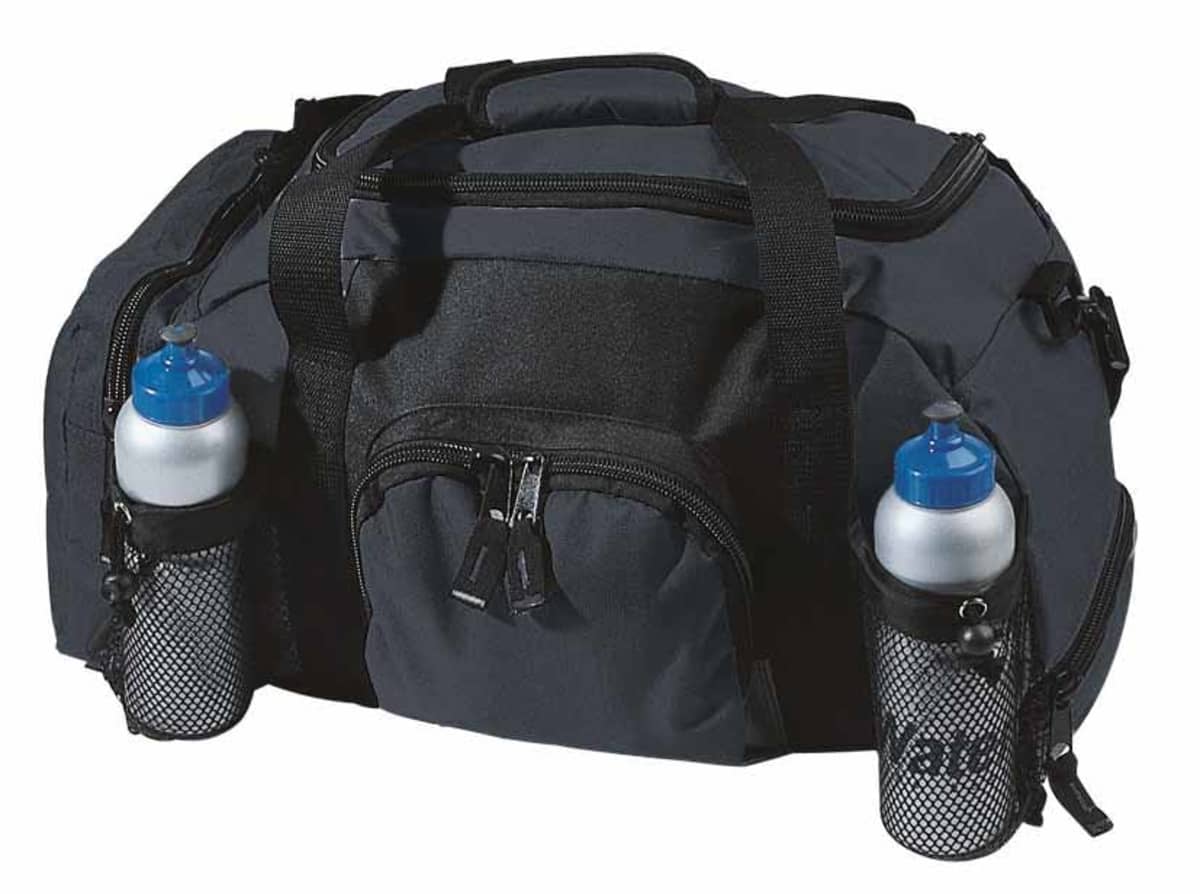
From kit bag to sports bag
Once duffle bags moved into everyday use, manufacturers began adapting the basic shape for gyms, sporting teams and short trips.
Modern sports bags can now include:
- Separate shoe compartments
- Zipped pockets for phones, keys and smaller belongings
- Large central compartments for uniforms and equipment
- Adjustable or removable shoulder straps
- Reinforced handles and bases
- Water-resistant or hard-wearing synthetic fabrics
- Ventilated sections for used clothing or footwear on selected models
The classic cylindrical sack has also changed. Many current sports duffles use a wider rectangular or barrel-style shape because it provides easier access and creates room for extra compartments.
Cubic Promote’s current duffle bag range, for example, includes sports, gym, travel and overnight styles in different capacities and materials.
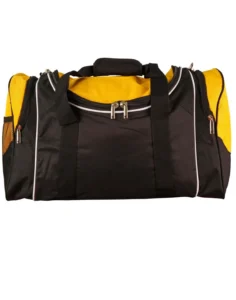
Why sports bags have become useful merch
A sports bag has something many smaller promotional products do not: space. There is room for the recipient’s belongings and usually a sizeable exterior panel for a company, club or event logo.
That makes branded sports bags particularly relevant for:
- Sporting clubs: Players can carry uniforms, shoes and equipment while keeping the team identity consistent.
- Gyms and fitness businesses: A branded gym bag can form part of a membership pack or staff uniform program.
- Corporate teams: Duffle bags can be used for staff travel, conferences, incentive programs or employee gifts.
- Schools and universities: Students can use them for sport, camps and extracurricular activities.
- Travel campaigns: Larger duffles suit weekend trips and other situations where recipients need more capacity than a tote or backpack.
Unlike merchandise chosen only because it has a large print area, the bag still needs to work well for the recipient. Capacity, compartments, and carrying comfort should come first.
Materials have changed with the way we use them
Traditional duffel cloth gave the bag its name, but modern promotional sports bags are produced from a much wider range of materials. Polyester and poly-canvas are common because they can provide a balance of durability, weight, and cost. Heavier fabrics may suit premium travel bags, while lightweight constructions can work better for events or sporting programs.
Some models also use recycled-content fabrics. Cubic Promote’s current range includes recycled canvas and recycled polyester options alongside conventional sports bags.
Branding methods vary with the fabric. Screen printing can suit bold logos, while embroidery may create a more textured finish on compatible bags. Current Cubic Promote duffle models offer combinations of screen printing, transfer decoration and embroidery depending on the product.
A centuries-old idea that still works
The modern sports bag looks very different from the heavy cloth associated with Duffel centuries ago, yet the basic purpose has barely changed: carry plenty of belongings in one practical, flexible bag.
Cubic Promote supplies custom sports and duffel bags in bulk for sporting teams, gyms, corporate programs, and events. Choose the bag based on how recipients will use it, then add branding that suits the available print or embroidery area.