
What is a Promotional Soft Shell Jacket
Key Points
- Soft shell jackets combine comfort, warmth, and water resistance, making them a practical outerwear option for staff working outdoors or in changing weather conditions.
- These jackets are versatile and breathable with durable materials, but they work best as a layering piece rather than the warmest standalone winter option.
- Adding logo branding to soft shell jackets can strengthen brand visibility and professionalism, and Cubic Promote offers a wide range of styles to suit different corporate needs.
Promotional soft shell jackets sit somewhere between a fleece and a waterproof outer jacket. They provide more weather protection than a standard jumper while remaining lighter and more flexible than many heavy winter jackets.
That combination makes it particularly useful for Australian workplaces where staff may move between offices, vehicles, warehouses and outdoor areas throughout the day.

What makes a jacket a soft shell?
Soft shell jackets are usually made from stretchy synthetic fabrics with a smooth outer surface and a softer inner layer. Some styles include a fleece-backed interior for additional warmth. Typical features include:
- Flexible fabric that allows comfortable movement.
- Wind-resistant construction.
- Water-resistant outer material on many models.
- Breathable fabric suited to active work.
- Zipped pockets for phones, keys, and equipment.
- A relatively lightweight design.
- Fleece or brushed inner surfaces on warmer styles.
The important distinction is water-resistant versus waterproof. Many soft shells can cope with light showers, but they should not automatically be treated as waterproof rain jackets. If employees work for long periods in heavy rain, a dedicated waterproof shell may be more appropriate.
Soft Shell vs Fleece vs Waterproof Jacket
Different outerwear solves different problems, so there is no single jacket that suits every team.
For many businesses, the soft shell sits in the middle: enough protection for everyday outdoor movement without feeling like specialised wet-weather equipment.

Which staff benefit most from soft shell jackets?
Soft shells make sense when employees need to look professional but also spend part of their day outside. They are particularly useful for:
- Sales representatives travelling between appointments
- Event and exhibition crews
- Warehouse and logistics teams
- Real estate and property staff
- Trade and construction businesses
- Delivery and field-service teams
- Sporting clubs and coaches
- Hospitality staff working in outdoor areas
A consistent jacket can also make staff easier to identify at events or customer sites.
Why are soft shells good for logo embroidery?
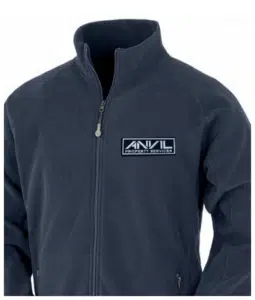
Soft shell jackets have relatively smooth outer panels, which can provide a clean surface for corporate branding. Embroidery is a popular option because it suits the professional appearance of the garment. Common positions include the left chest, sleeve, or upper back. For a cleaner uniform, avoid making every available area a branding position. A clear embroidered logo on the chest is often enough. Before placing a bulk order, check:
- Embroidery size and stitch detail
- Jacket and thread colour contrast
- Men’s, women’s or unisex fits
- Available sizes
- Pocket placement
- Whether staff need hoods
- Fabric specifications and weather resistance
- Samples for fit and comfort
Instead of viewing the jacket as a standalone promotional product, match it with the rest of the staff wardrobe. For example, employees might wear an embroidered polo during warmer conditions and add the soft shell when temperatures drop. The logo remains in the same position, and the colours remain consistent, so the team still looks coordinated.
For colder locations or winter field work, the soft shell can also form one layer of a larger uniform rather than being expected to provide all the required warmth on its own.
Choose the jacket around the working conditions
A soft shell jacket is a strong corporate outerwear option when staff need flexibility, moderate warmth and protection from everyday wind or light showers. If the team regularly faces heavy rain or very cold conditions, consider a waterproof or insulated jacket instead.