Debossed vs Embossed: Our Experts Compare the Techniques
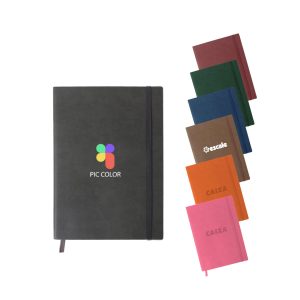
When you pick up a leather notebook with a logo pressed into the cover, it is immediately clear that the design is not simply printed. This detail is what clients notice most when comparing sample covers and deciding which finish best represents their brand. The choice comes down to two techniques: debossing and embossing. Here is how I typically explain the difference between debossing and embossing to clients.
How This Conversation Usually Goes
Almost nobody walks in already knowing which one they want. They’ve got a logo and a rough sense that they want the finished product to feel “premium,” and that’s about it. So we usually suggest different branding methods during the call.
Debossing
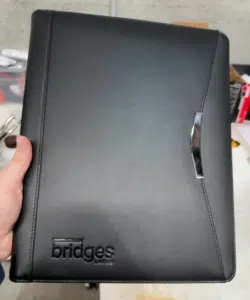
Debossing presses the design into the material. A heated metal die stamps the logo under pressure and leaves it sitting below the surface—no ink, no shine, just the shape sunk into the leather or card. It’s quiet. You almost have to run your thumb over it to register that it’s there, and I think that’s part of the appeal.
It shows up most on:
- Leather and PU leather notebooks and folders
- Journals and diaries
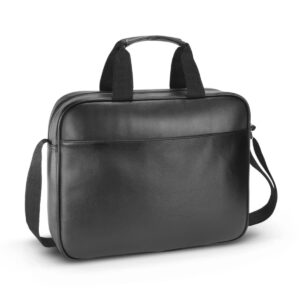
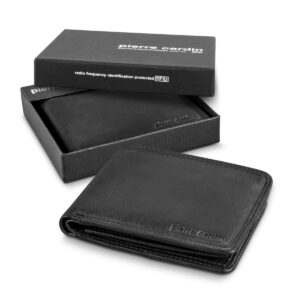
- Leather bags and wallets
- Corporate gift boxes
Since the mark sits below the surface, debossing appears restrained rather than bold. This subtlety makes it the preferred choice for executive gifts; it does not draw attention, yet it is still noticed.
Embossing
Embossing is the reverse. Instead of pushing the design down, it raises it off the surface—the material gets squeezed between two dies, one recessed and one raised, until the logo pops up almost like a small sculpture. You’ll mostly find it on:
- Business cards and invitations
- Paper products and packaging
- Leather goods where the brief calls for something bolder
- Certificates and presentation folders
Since it’s raised, it catches light differently depending on the angle you’re holding it at, which gives it more presence than debossing has. If the goal is a logo that gets noticed across a room, this is usually the answer.

What Our Account Manager Says
For Charles Liu, who has over 20 years of experience in the industry, the decision (on whether to go for debossing or embossing) is situational. For a subtle, premium look, we recommend debossing. If you want your logo to stand out, embossing adds a bold, tactile finish.
Comparing the Two
That’s a pretty common reaction. Photos rarely capture the effect; clients often need to handle the product to appreciate how debossing enhances its quality compared to printing.
Foil stamping can be added to either technique, applying a layer of metallic or colored foil over the pressed area for additional shine. This is a popular upgrade for logos that need to stand out on diaries or folders.


So Which Do You Pick?
The choice depends on your material and logo, not a strict rule. For leather or PU leather, simple logos, or products that will be handled frequently and need durability, debossing is recommended. For paper or packaging, or logos with fine detail that should stand out, embossing is typically more suitable.
If you are unsure, we can provide samples or mock-ups before you commit to a full order. It is often easier to make a decision when you can examine the actual finish in person.
Why People Work With Us
As one of Australia’s leading promotional product suppliers, we offer leather notebooks, journals, and corporate gift sets with debossing, embossing, foil stamping, and other finishes. Our production team works directly with you to ensure your logo is applied using the most suitable technique for the material. We provide fast turnaround and deliver Australia-wide, making it easy to obtain merchandise that aligns with your brand.
Where I Land
There is no definitive answer; the best choice depends on the product and the message you wish to convey. I personally prefer debossing on leather for its subtle, thoughtful appearance. However, when a client wants a logo that stands out, embossing is my recommendation.
Ultimately, the chosen technique can determine whether an item is discarded or kept for years. If you need assistance selecting the best option for your brand, please review our offerings or contact us. We are happy to discuss your needs.
Ready To Buy?