High Website Traffic, Low Brand Recall: What to Fix
Key points
- High traffic with low brand recall usually means visitors are finding your content but not connecting it to your brand.
- Branded merchandise extends your brand beyond the screen and into someone’s daily routine.
- Fixing recall doesn’t require more traffic; it requires more memorable contact with the traffic you already have.

Why do people visit your site but forget your brand?
This happens when your website brings people in through search or ads, but nothing about the experience sticks. The visit answers their question or solves their problem, and then they move on without remembering who helped them. It’s a common gap in content-heavy businesses that invest in SEO and paid traffic but underinvest in brand identity and post-visit touchpoints.
The issue isn’t awareness. People are landing on your site. The issue is that nothing anchors your brand in their memory after they leave.
What causes low brand recall despite high traffic?
Most of the time, it comes down to a few fixable problems rather than a complete strategy overhaul.
- Weak visual consistency: if your logo, colours, and design language change across pages or channels, visitors don’t build a mental picture of your brand
- Generic content with no brand voice: helpful content that could’ve come from anyone won’t be remembered as yours
- No follow-up touchpoint: once someone leaves the site, there’s nothing physical or personal that keeps your brand in front of them
- Over-reliance on digital-only impressions: display ads and retargeting are easy to scroll past, so they rarely build the kind of recall that a physical item does

How merchandise helps with brand recall
Branded merchandise bridges the gap between a digital visit and a lasting memory. When someone receives a physical item with your branding on it, they interact with it repeatedly in their own space, which builds familiarity in a way that a website visit alone can’t. For instance:
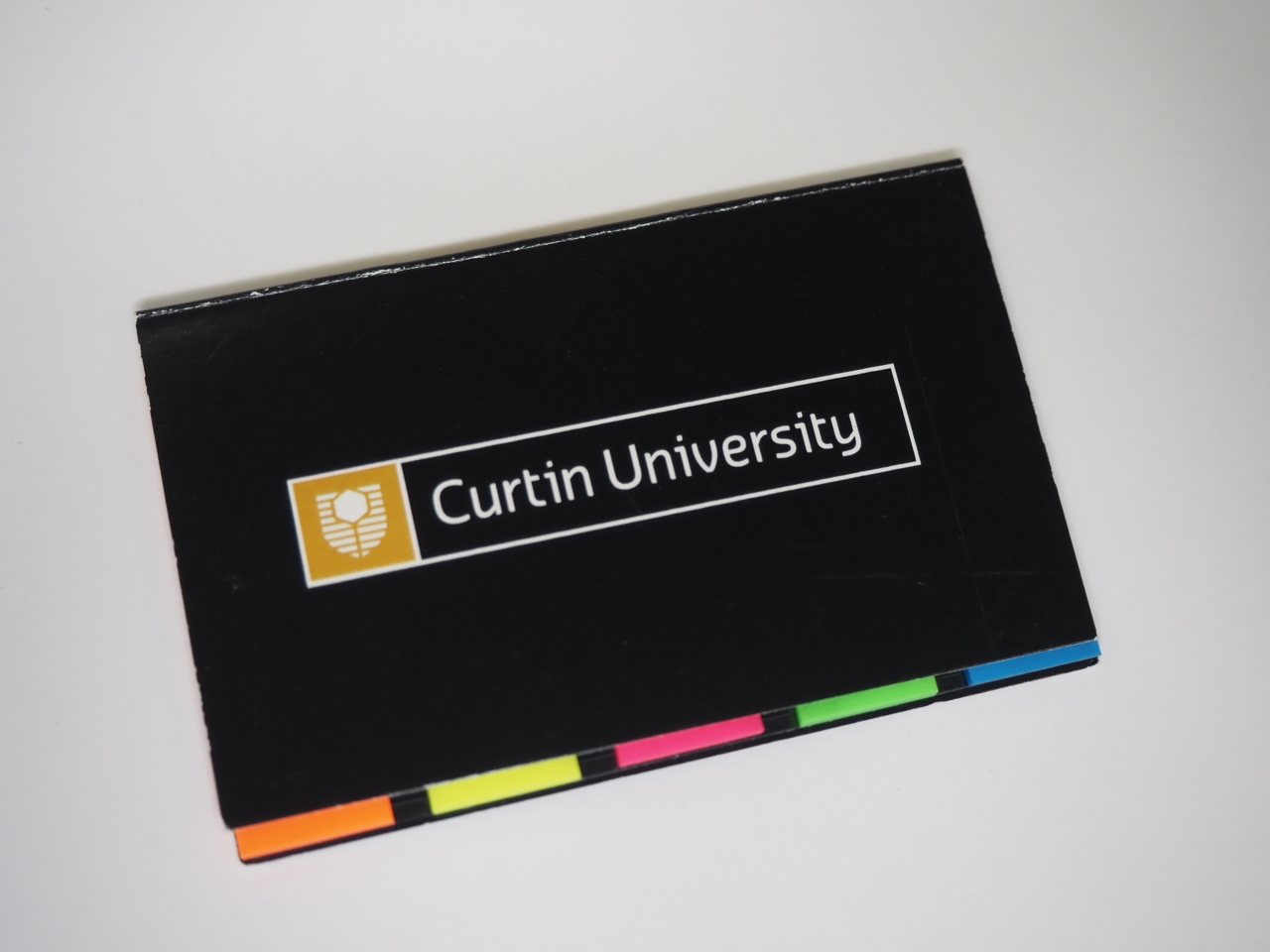
- Sticky notes on a desk get opened every day.
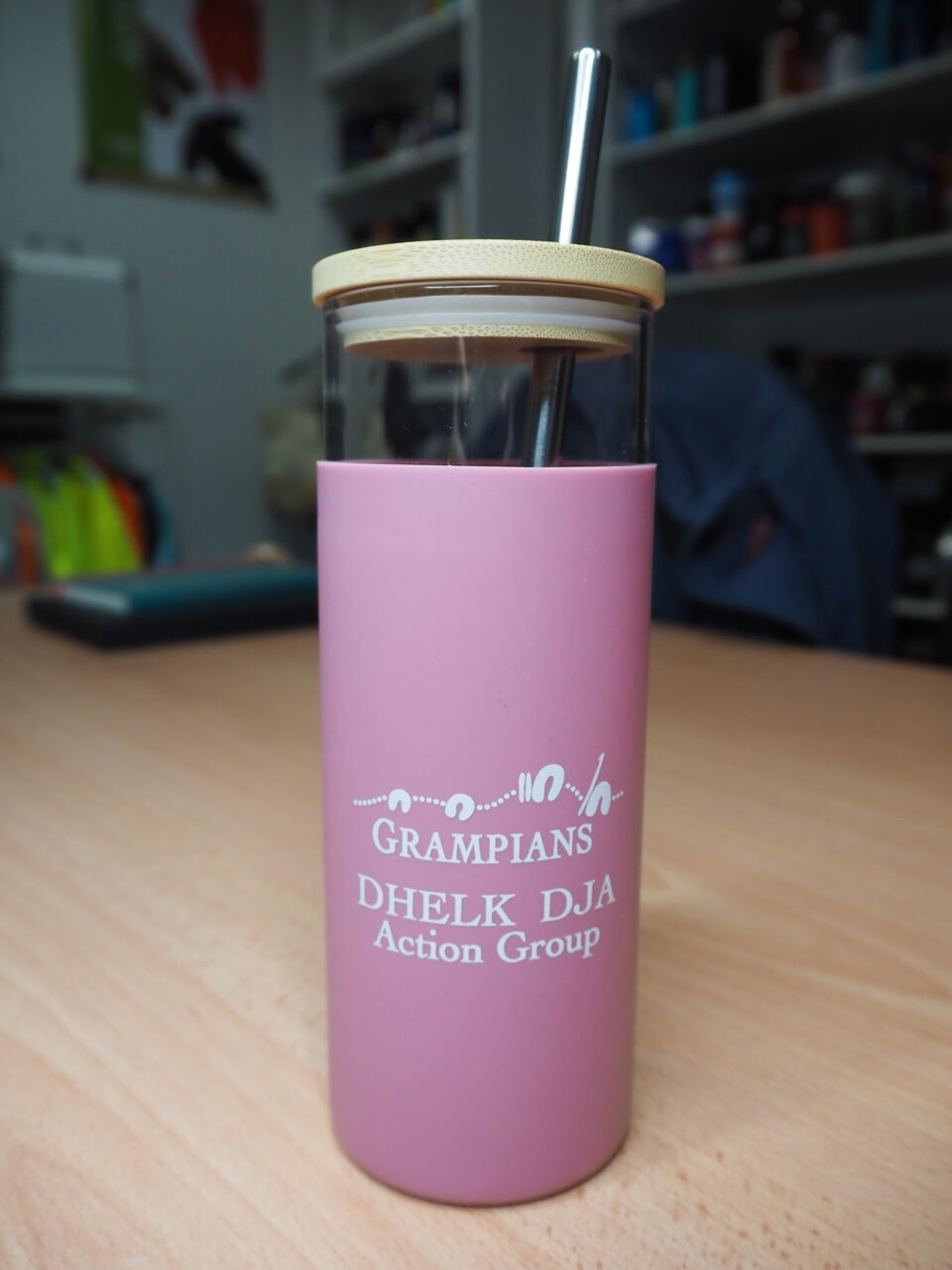
- A drink bottle travels with someone to meetings and the gym.
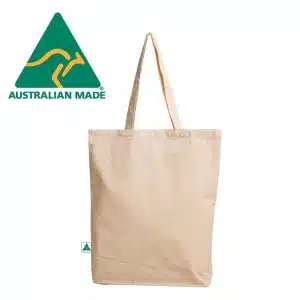
- A tote bag gets seen by other people too, which multiplies your brand exposure without any extra spend.
What should you fix first?
If your traffic is strong but recall is weak, the fixes don’t all need to happen at once. Start with the areas that give you the most return for the least effort.

Does this apply to businesses that already use merchandise?
Yes, because the merchandise itself needs to be branded well to do its job. A great product with a poorly placed or hard-to-read logo won’t help with recall. The branding method, placement, and colour match all affect whether someone actually registers your name when they use the item. For example, a cap with embroidery holds up better and looks sharper than a screen-printed one that fades after a few wears. Or a hoodie with a clean chest logo gets worn in public far more than one with an oversized back print. Small branding decisions like these directly affect how much recall your merchandise actually generates.
What our expert suggests
As a digital marketer at Cubic Promote, I see businesses spend a lot of time choosing the right merchandise, then overlook how their logo will actually look on the product.
What I suggest is to check the branding on the item itself; things like print position, logo colours, and branding method can all affect the result. Because sometimes, a logo that looks great online may not work the same way on a pen, cap, or drink bottle.
Ready To Buy?