How E-Commerce Brands Add Physical Touchpoints With Merch
Last Updated: 17 September 2026
Key Points
- Merchandise gives e-commerce brands a physical presence after customers leaves the website, app, or marketplace.
- Order gifts, loyalty rewards, and merchandise launches create different touchpoints across the customer relationship.
- Packed size, weight, and product usefulness matter because every extra item also affects fulfilment.
E-commerce brands build most customer relationships through screens, from product discovery and checkout to order tracking and follow-up emails. The delivered parcel creates one of the few opportunities for customers to physically interact with the brand, which gives merchandise a natural role after purchase.
That physical interaction has become more valuable as Australian shoppers spread their spending across more retailers. Australia Post reports that the average Australian household bought from 16 different brands in 2025, more than double the number a decade earlier. Merchandise gives an online retailer another way to stay top of mind after the original order has been unpacked.
Where E-Commerce Brands Add Merchandise?
E-commerce brands sell products online through websites, apps, or online marketplaces, so most of the customer experience happens digitally. Once the order arrives, the parcel becomes one of the few physical interactions the customer has with the brand. Some brands use merchandise at this stage to make the delivery feel more memorable and give customers something useful they wouldkeep.
The merchandise still needs to work inside the existing packing process. A gift that changes the parcel size, adds excessive weight or creates complicated picking requirements to increase fulfilment of work across hundreds or thousands of orders.
Why Does Merch Work as a Physical Touchpoint?
Merch works because it gives customers something physical to associate with an online brand after the order arrives. Shopify includes packaging and delivery as physical touchpoints in an e-commerce customer journey, while useful merchandise extends that interaction long after the parcel has been opened.
There are several reasons merchandise fits this role:
- It extends the unboxing experience: A product packed with the order gives the customer another interaction after opening the parcel and removing their purchase.
- It remains after the packaging is gone: Bottles, bags, apparel and useful accessories stay with the customer much longer than a carton or mailing satchel.
- Usefulness gives customers a reason to keep it: PPAI’s 2025 US consumer research found two-thirds of respondents identified usefulness as the main reason they kept promotional items.
- It supports brand recall: The same research found 61% clearly remembered the brand behind the most recent promotional product they received.
- It gives loyalty programs something tangible: Australia Post’s 2025 eCommerce Report found 56% of Australian shoppers wanted gifts or samples from future loyalty programs.
We focus on what happens after the parcel is opened because that determines the merchandise’s useful life. A product that becomes part of the customer’s daily routine keeps the physical interaction going without requiring another email, advertisement, or website visit.
How Do Different E-Commerce Campaigns Use Merch?
Wendy Li, our General Manager, would start by mapping how the gift will actually be distributed. For example, in a large e-commerce campaign, she would look at how many orders qualify, how warehouse staff identify those orders, and whether the gifts are simple to pack and easy to manage in bulk.
Order Inserts
Compact merchandise works best when an online retailer wants to add something to many outgoing parcels. Microfibre cloths, keyrings and foldable bags take up little room and often sit beside the purchased goods without changing the packing format. The strongest inserts also connect with the original product. An eyewear retailer has a clear reason to include cleaning cloth, while a travel or lifestyle store could use a compact tote that customers use with future purchases.
Spend-Threshold Gifts
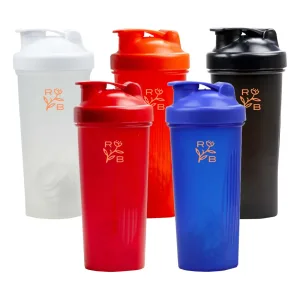
Spend-threshold merchandise rewards customers who reach a set of order value, giving the gift an obvious reason to include it. Tote bags, caps, and drinkware work well when the item feels valuable enough to support the advertised threshold.
Stock planning matters because the warehouse needs enough merchandise to cover qualifying orders throughout the campaign. We also keep the number of product variants low because multiple colours and sizes add extra picking decisions during busy sales periods.
Loyalty and Repeat-Customer Gifts
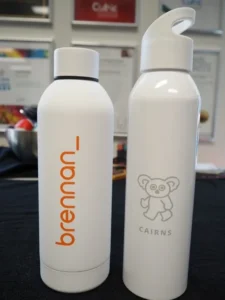
Repeat customers already know the brand, so the product would carry more value than a basic order insert. Premium drinkware, bags and selected apparel suit subscription milestones, VIP programs and customers who have reached a defined purchase level. We prefer improving product quality before adding several small items. A strong loyalty gift creates a clearer customer moment and keeps the packing process easier to manage.
Launch and Creator Merchandise
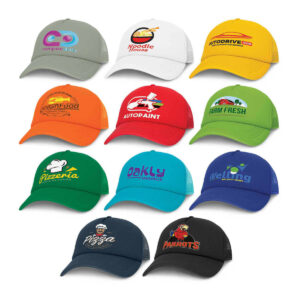
Product launches and creator campaigns allow merchandise to become part of the campaign design. Caps, apparel, totes and accessories carry the same colours, artwork, or visual references used across the online launch.
These campaigns need earlier production planning because the merchandise must arrive before seeding or customer fulfilment begins. We work backwards from the campaign date, so artwork approval, production and delivery are completed before the main orders start leaving the warehouse.
Our Experience Supplying For Brands Like These
One thing we learned when supplying e-commerce campaigns is that the product choice needs to work with the fulfilment process from the start. That’s why, during the initial briefing, our account manager Regina Mangubat looks at the quantity, budget, timeline, and what the client needs the campaign to achieve. From there, we confirm the item’s size, weight, and packing requirements early so the order can be planned accurately before production begins.
How We Come Up With Suggestions for Brands
We’ve worked with a few e-commerce brands who needed merch for campaign launches or just as giveaways to their customers. Before recommending something, we always consider:
- Packed size: Flat and compact products fit existing cartons and satchels more easily.
- Weight: Extra weight affects freight costs across a large campaign.
- Breakability: Ceramic, glass, and delicate items need additional protection during delivery.
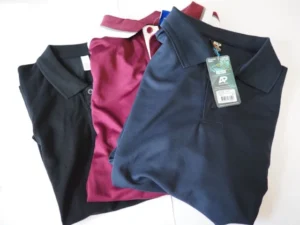
- Variants: Apparel sizes and several colour options require more stock control and picking.
- Quantity: Merchandise stock needs to cover the planned number of qualifying orders.
- Packing instructions: Warehouse teams need a simple rule for identifying which orders to receive each item.
- Branding: The decoration needs to remain clear while fitting the style of the online brand.
We always suggest products that complement whatever brand is selling. Example if an e-commerce brand sells scented candles, we would suggest wellness items to pair with the candles.
How We Help with The Order
For an e-commerce campaign, we would provide the parcel format, order volume, customer type, budget, and available packing space. Those details allow us to select merchandise that suits the brand visually and still fits the fulfilment process. The strongest physical touchpoint feels connected to the purchase from the moment the parcel opens. A useful product gives the customer something from the online brand that remains after the order has been delivered and unpacked.
Ready To Buy?