How to Style a Company T-Shirt for a Trade Show?
Key Points
- Based on Australian trade show experience, comfortably fitted t-shirts help staff look organised, approachable, and ready to speak with attendees.
- Black shirts work well because they hide wrinkles, suit most booth colours, and make logos easier to see.
- Our team recommends subtle logo placement, simple styling, and matched outfits to avoid a rushed or messy booth appearance.
The Australian Business Events Association (ABEA) noted that in 2019, over 484,000 business events (including trade shows) were held. These events are opportunities to introduce your brand. Wearing a company t-shirt influences how people view your booth before you even speak to them. At trade shows, attendees see hundreds of brands each day, so your team’s clothing should look organized, friendly, and modern without being over the top. Based on our experience handling custom t-shirt orders for trade shows, we’ve put together the key things to consider when choosing the best design for your staff.

Trade Shows Are Visual Environments
People decide very quickly whether they want to approach a booth. Before attendees read signage or brochures, they notice:
- Booth layout
- Lighting
- Colour
- Staff energy
- Clothing
Company shirts are part of your booth’s overall appearance, not just a way to show your brand. At large convention centers in Sydney, Melbourne, and Brisbane, many booths compete for attention. If your team’s clothing looks messy or uncomfortable, your booth may seem less professional. We often see exhibitors focus on banners and displays but leave clothing decisions until the last minute, which leads to rushed uniforms that don’t match the booth’s style.
Why Black T-Shirts Dominate Trade Shows?
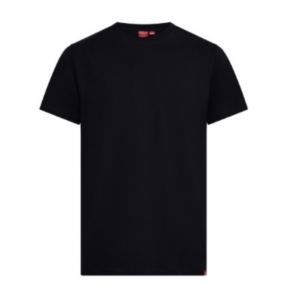
Charles Liu, our founder, has attended a lot of trade shows in Sydney. And one thing he found in common is that most of the trade show staff (exhibitors) wear black shirts, printed with their logo. The reason is black shirts:
- Look cleaner under exhibition lighting.
- Hide wrinkles better
- Match most booth colours.
- Feel less corporate
- Make logos stand out clearly.
Not every brand needs to choose black, but it’s popular for a reason at technology expos, fitness events, startup conferences, and high-end retail shows.
We’ve also seen that black shirts look consistent on different body types and sizes, which helps larger teams appear more coordinated.
The Fit Changes Everything
How branded clothing fits is more important for a professional look than the logo itself. At trade shows, staff spend long hours:
- Standing
- Walking
- Setting up booths
- Carrying stock
- Speaking with attendees
- Moving between sessions
If the shirt is uncomfortable, it usually shows by the afternoon. That’s why, Alice Borja, one of our account managers, usually discourages our clients from ordering very boxy and cheap cuts, tight shirts, and thick fabrics if it’s for trade show uniforms. Today, most exhibitors prefer cleaner, more relaxed fits that people would also wear outside the event. We’ve especially noticed this change at:
- Startup expos
- Tech conferences
- Creative industry events
- University recruitment fairs
Old, stiff corporate polos can make a booth look outdated, especially when compared to brands with more modern clothing.
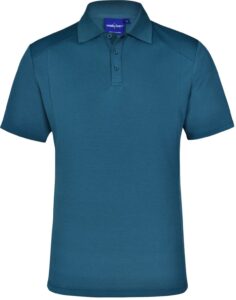
Polos vs T-Shirts at Trade Shows
Some industries still suit polos better. Others do not.
Branding Placement Matters More Than Size
One of the main differences between good and bad trade show shirts is where the logo is placed. The best branding layouts are usually simple:
- Small chest logo
- Sleeve print
- Small upper-back branding
- Clean typography
Large front graphics can work at entertainment events or music festivals, but at professional trade shows, they often look too bold. We’ve noticed that attendees prefer shirts that also look good outside the expo. If staff want to wear the shirt after the event, the design is usually on the right track.
What Staff Wear With the Shirt Matters Too?
The t-shirt itself is only part of the outfit. At Australian trade shows, the most polished teams usually keep the rest of the styling simple:
- Black jeans
- Neutral chinos
- Plain sneakers
- Lightweight jackets
- Comfortable footwear
On the other hand, mismatched staff outfits can make even expensive branded clothing look messy. We’ve seen exhibitors spend thousands on their booths, but their teams wear different shoes, random jackets, or pants that don’t match. Attendees notice these details more than many companies expect. Comfort is also important during multi-day expos. Staff who feel comfortable usually seem friendlier and more engaged all day.
Oversized T-Shirts Are Becoming More Common
Oversized t-shirts are appearing more frequently at Australian trade shows, especially in:
- Startup events
- Creative conferences
- University expos
- Fitness exhibitions
- Youth-focused activations
This style feels more relaxed and modern than traditional corporate uniforms. However, the oversized look only works when:
- The fabric quality is good.
- The branding stays minimal.
- The sizing is intentional.
- The overall booth aesthetic matches
The Booth and Apparel Should Match
At trade shows, we often notice when the booth’s style and the team’s clothing don’t match. For example:
- Premium minimalist booths paired with cheap, thin shirts
- Modern tech displays paired with outdated polos
- High-energy youth activations paired with stiff corporate uniforms
The strongest exhibitors usually create consistency between:
- Booth colours
- Signage
- Apparel
- Merchandise
- Staff presentation
This consistency helps brands appear more established and professional without needing large logos everywhere.
What We Notice Most at Australian Trade Shows?
From what we’ve seen at expos and conferences, attendees rarely remember the biggest logos. They usually remember booths that felt friendly, modern, and well organized. Good apparel helps create that impression.
We also believe many companies don’t realize how much staff confidence improves when clothing is comfortable and easy to wear. Teams interact better when they aren’t adjusting stiff polos or getting too hot in heavy fabrics all day. We’ve also noticed that simple branding looks good for longer. Large, trendy graphics can go out of style quickly, but simple, well-placed logos keep looking professional for years.
Ready To Buy?