What Do Insurance Firms Send After Policy Sign-Up?
Key Points
- Sending a useful item after policy sign-up helps reinforce trust and keeps your brand visible beyond the initial paperwork stage.
- Practical items like pens, document wallets, and USB drives work best because they fit into daily use and are more likely to be kept.
- Match items to the policy type to make packs feel more relevant and personal without adding unnecessary complexity.
Once a client signs a policy, most insurance firms send out documents. That’s the usual process. However, in my experience, the firms that really stand out go a step further. They send something tangible and useful. Having worked with many insurance clients, I’ve found the goal is always to stay relevant after the paperwork is finished. If nothing comes next, the relationship can feel flat.
Why the Post Sign-Up Stage Matters?
This stage is often missed, but it’s one of the best times to build trust. The client has just made a decision and is paying attention. What you send now shapes their view of the whole experience.
- It reassures them that they made the right choice.
- It keeps your brand visible.
- It adds a personal touch to a process that can feel formal.
I’ve seen cases where a simple item made a stronger impression than the entire onboarding process.
What Most Insurance Firms Send?
Most firms play it safe. They stick to items that are easy to distribute and broadly useful.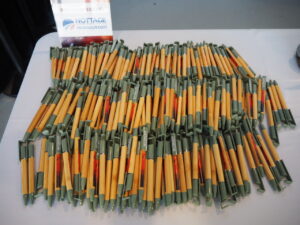
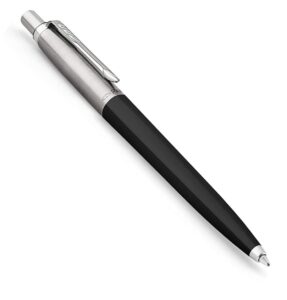
- Pens
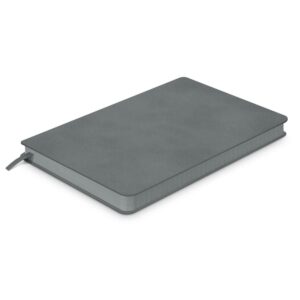
- Notebooks
- Document wallets
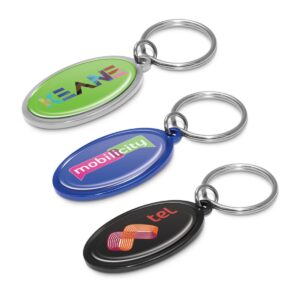
- Keyrings
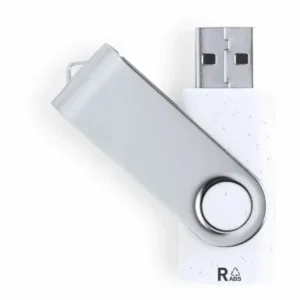
- USB drives
These items are common because they work. They’re easy to understand and fit into daily life. Still, there’s a difference between sending something standard and sending something people actually use.
The Best Items Are the Ones People Keep
This is the point where I usually advise clients. If the item isn’t used, it won’t help your brand. In my experience, these are the items that tend to stay in circulation: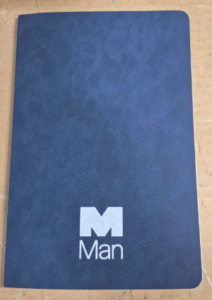
- A good quality pen that writes smoothly
- A notebook that isn’t too bulky
- A USB drive that actually works well
- A document holder that keeps things organised
Simple items work best when they’re well-made. People keep things not because of the brand, but because they’re useful.
Matching Items to Policy Type
A simple way to make an impact is to match the item to the policy. It doesn’t have to be complicated—just relevant.
For car insurance
Items related to driving usually work well. I’ve seen good results with car organisers, tyre gauges, or even basic sunshades.
For home insurance
Home-related items are a better fit here. Measuring tapes, simple tool kits, or branded key holders all make sense.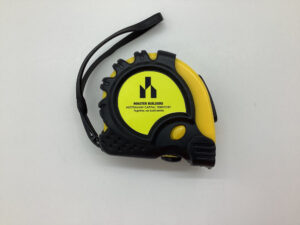
For travel insurance
Travel kits are an easy choice. Luggage tags, travel pouches, or small organisers all connect to the policy’s purpose.
- Car: organisers, emergency tools
- Home: practical household items
- Travel: portable accessories
When the item matches the policy, it feels more thoughtful.
Practical Items That Work Well
If I had to narrow it down, these are the items I recommend most often for insurance firms ordering in bulk.
Printed Packs Still Play a Role
Even with digital systems, physical packs haven’t gone away. Most firms still send welcome packs with key documents. What I usually recommend is keeping this simple. Include the essentials, then add one or two useful items. For example, a document wallet paired with a pen works well. It keeps everything together and gives the client something they’ll keep. Overloading the pack doesn’t help. It just adds cost and reduces impact.
Packaging Makes a Difference
Packaging is often overlooked. Even good items can seem less valuable if the packaging feels rushed. A clean, organised pack makes a big difference. It doesn’t have to be fancy—just thoughtful. I’ve seen simple envelope-style packs work better than complicated boxes.
Common Setups Compared
Here’s how different approaches usually perform.
Most insurance firms sit in the basic to standard range. That’s usually the right place to be.
Mistakes I See Often
There are a few patterns that don’t work well.
- Sending items that have no clear use
- Choosing very cheap products that break quickly
- Including too many items in one pack
I’ve also seen firms try to be too creative. The result is usually something that looks good but doesn’t get used. If the item doesn’t fit into daily life, it won’t last.
How I Usually Guide Clients?
When I work with insurance clients, I keep things simple. First, I ask what the client will actually use. Then I choose items that fit those habits.
- Keep it practical
- Keep it relevant
- Keep the quality consistent
You don’t need a wide selection. One or two good items are better than five average ones.
A Simple Example That Works
A setup I often recommend looks like this:
- Document wallet
- Pen
- USB drive
Every item has a purpose, and nothing feels unnecessary. For a travel client, I might swap the USB for a luggage tag. For motor insurance, I might add a car organiser. Small changes like these make the pack feel more personal without making it more complicated.
Ready To Buy?