Low Event Turnout? How Pre-Event Mail-Outs Lift RSVPs
When you include merch in your invites or pre-event mail-outs, you’re giving them a clear reason to RSVP to your upcoming event. In this blog, we’ll share why your invites are getting ignored and what to include in your pre-event mail-out to get them to sign up.
Why invites get ignored
These are the reasons why invites get ignored based on our own experience hosting events and showroom visits for our prospects:
- It’s easy to mark an email invite as “for later” and then forget about it.
- If a save-the-date doesn’t have a hook, guests don’t have a reason to act.
- When there’s nothing between the invite and the RSVP deadline, people lose interest.
- Busy people are more likely to say yes to something that feels personal, not to a message that feels like it was sent to everyone.
When a client says their RSVPs are low, I ask how many times guests actually heard from them before the deadline. Most of the time, it’s just one email and one reminder. A mail-out gives guests something they can hold, and it usually stays on their desk for weeks.
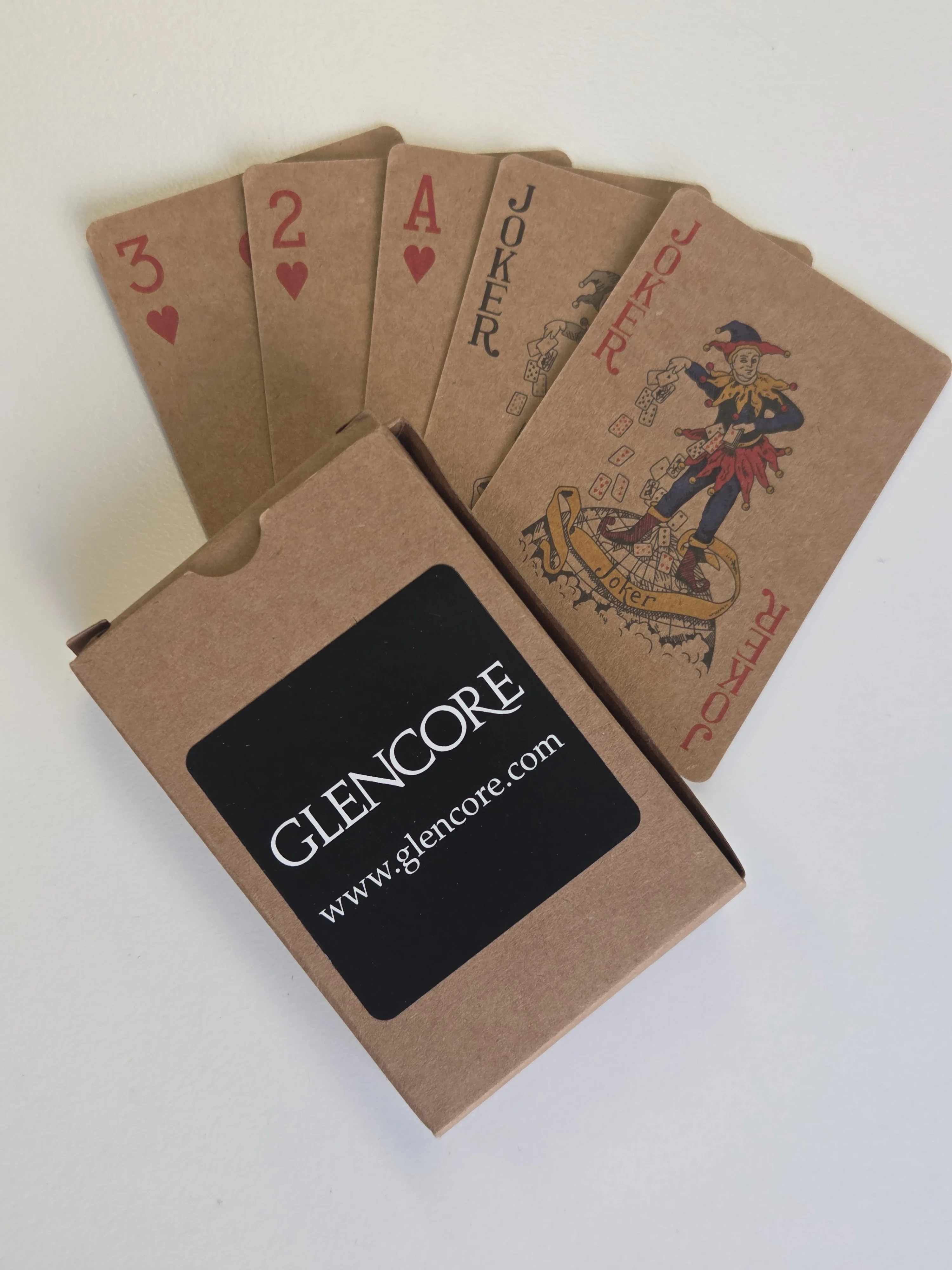
What a mail-out does that email can’t
Mail-outs do cost more, so they make the most sense for events where each attendee really matters—like client events, launches, conferences with paid sponsors, or staff events where an empty seat stands out.
When to send it
If you send the pack less than three weeks before the event, you won’t have enough time between arrival and the catering numbers deadline.
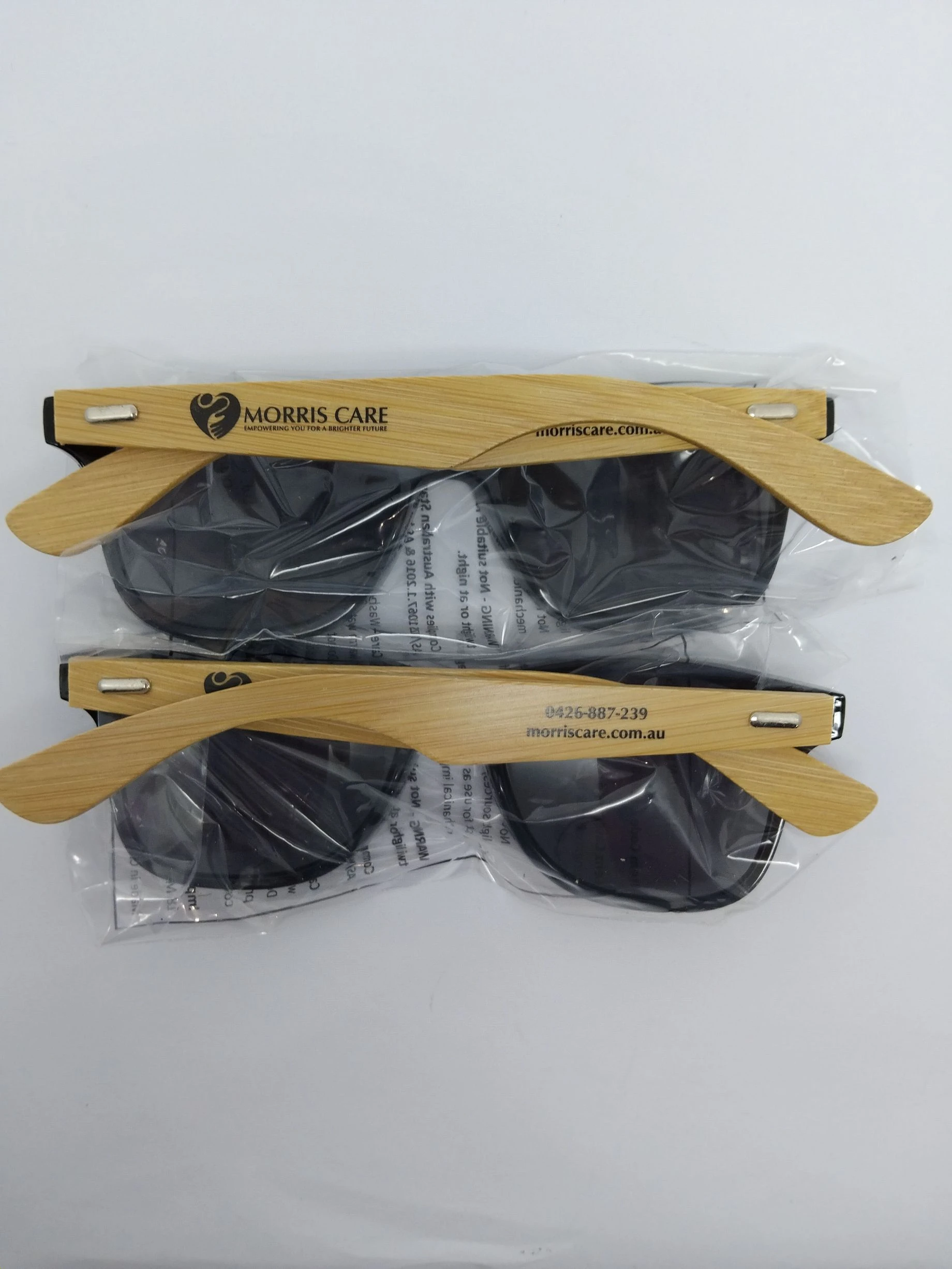
What to put in the pack
Each pack should include the basics on a printed card: event name, date, venue, RSVP deadline, a QR code for the RSVP page, and a real contact name. Then add one or two items that fit the event:
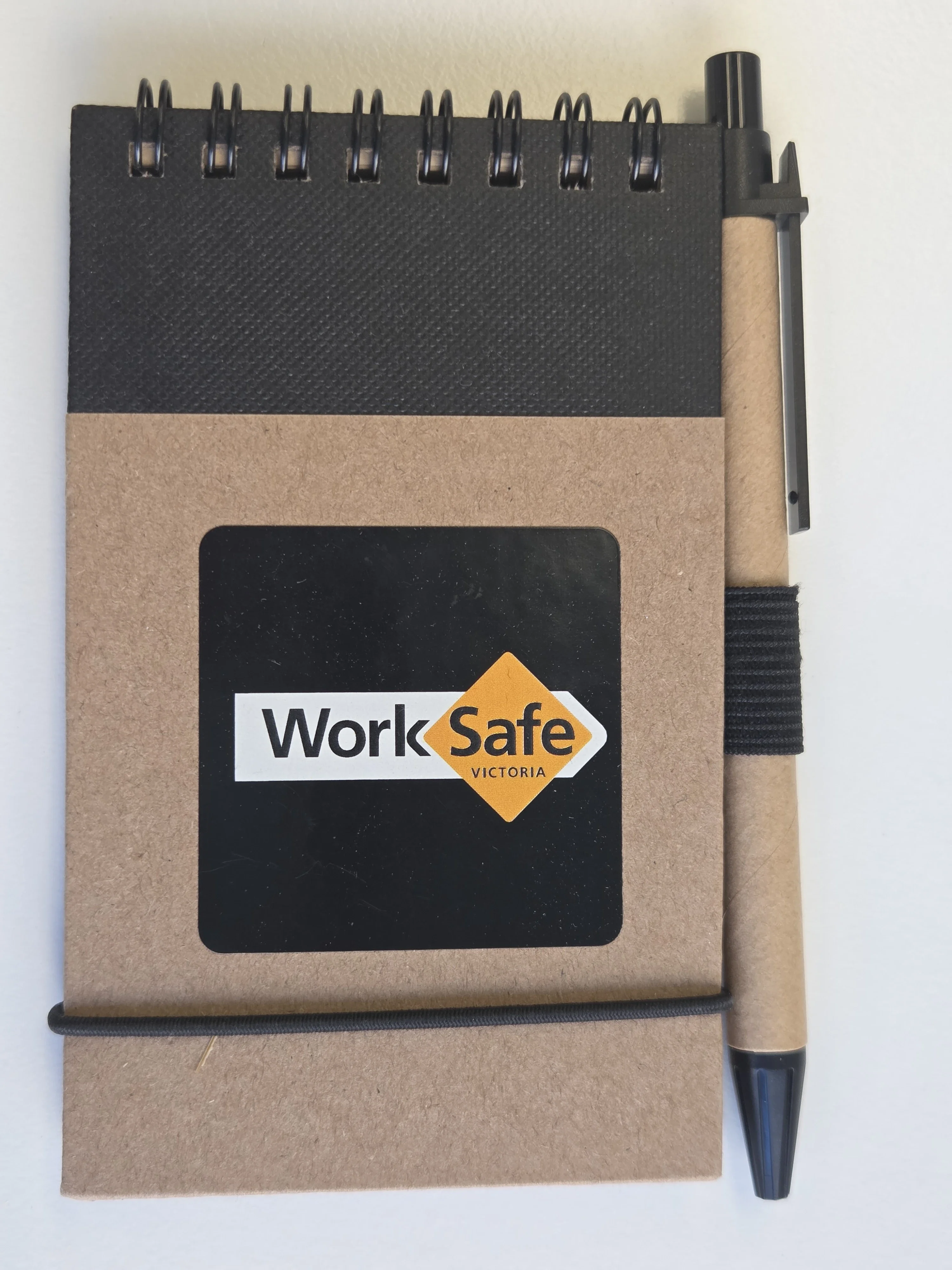
- Conferences: a branded notebook and pen with the agenda card tucked inside, so it gets used on the day too
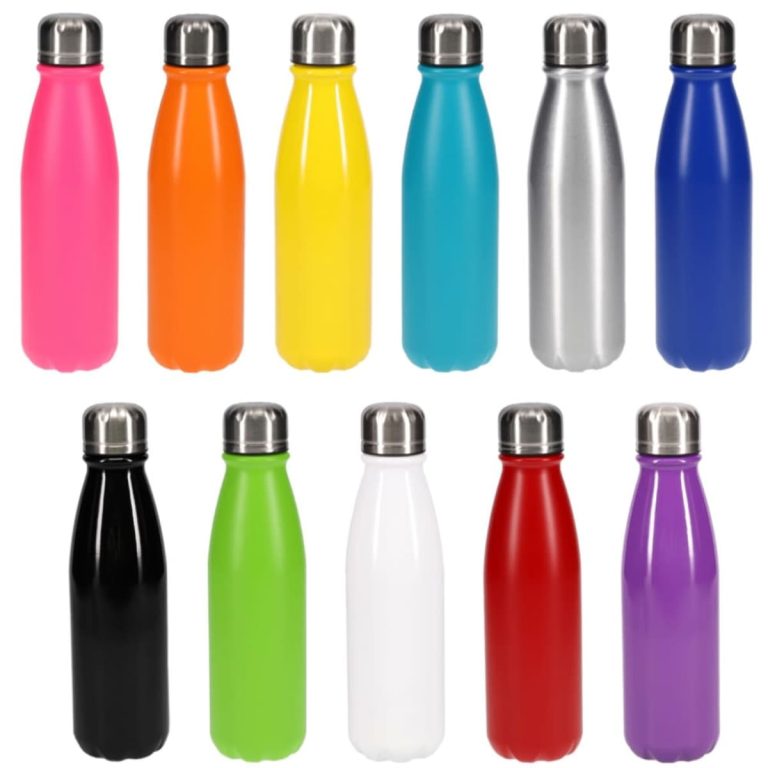
- Product launches: a teaser item tied to the theme, like a tumbler with “your drink’s waiting at the launch” printed on the card
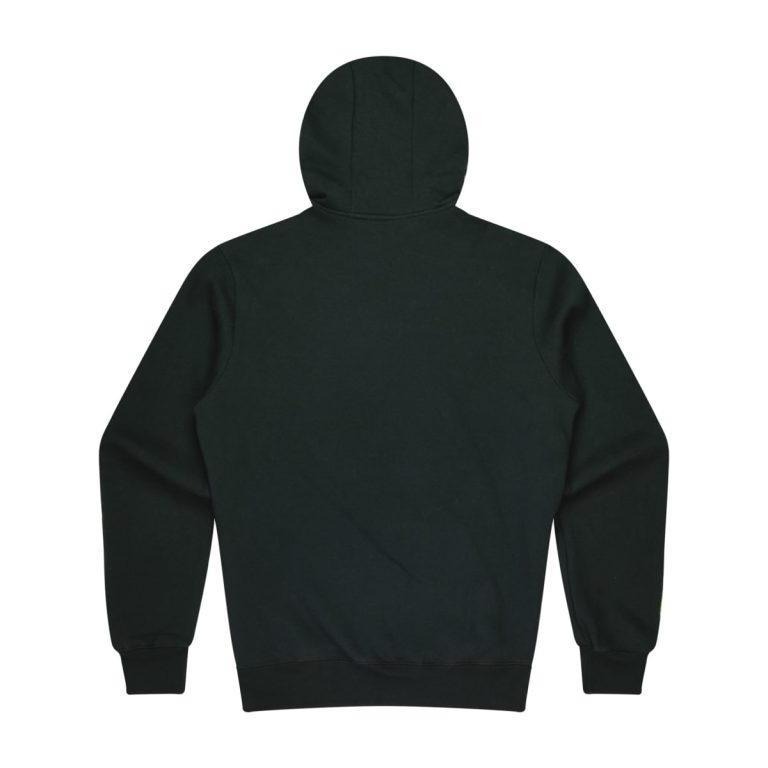
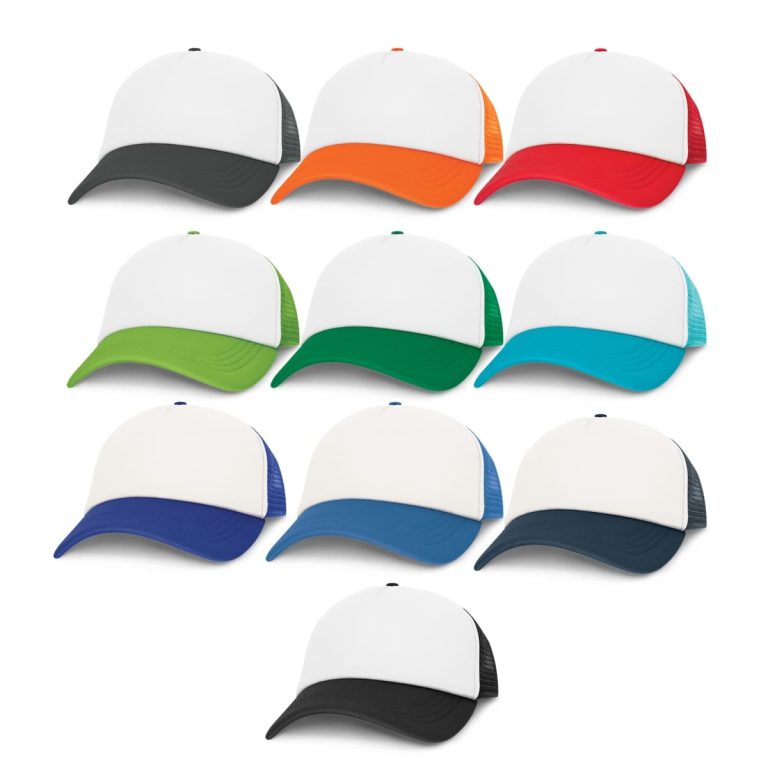
- Staff conferences and awards nights: a cap or hoodie they’re asked to wear on the day
- Outdoor and community events: sunscreen and a bucket hat, which also signals what to expect
Katherine Durham, one of our account managers, suggests sticking to items people will actually use. Sending a cheap novelty can ruin the message that your event is worth their time.
The logistics that trip people up
- The address list can be tricky. Remote staff, office moves, and missing suburbs often cause more delays than production itself.
- Lead time. Allow for decoration, packing, and delivery, not just the item itself
- Think about who will pack and post the mailers. Hand-packing a few hundred in the office can take a whole week. We can kit and ship directly to each guest’s address, starting from 10 packs, with packing from $1 plus GST per set.
I always ask for the address spreadsheet in the same email as the artwork approval. This way, you can check the list while the items are being printed, not at the last minute.

How to tell if it worked
- Give each pack, or each group of guests, its own QR code. That way, you can see who responded after they received it.
- Compare the RSVP rate against your last comparable event.
- Track who actually attends on the day, not just who RSVPs, because a mail-out should also help reduce no-shows.
- Note which guest groups didn’t respond, and give them a call before your next event.
If you’d like help choosing items that fit your guest list and budget, just send us your brief. I’ll get back to you with some options and a price for packing and posting.
Ready To Buy?