Merch Storage Eating Up Your Office? What We Recommend
After ordering thousands of merch items for an event, you might be left with a few boxes needing storage. Even we, as suppliers, struggle with merch storage too. The good news is that storage issues usually come from planning, not from having too much merch. In this blog, we’ll discuss what we fixed and share tips to keep your storage organised and help you plan how much to order next time.

Why Merch Piles Up in the First Place
Before you change your ordering habits, it’s helpful to understand where the extra stock comes from. Here are the most common reasons we hear from our clients:
- Chasing price breaks: Ordering 1,000 units because the per-unit price drops, when you really needed 400.
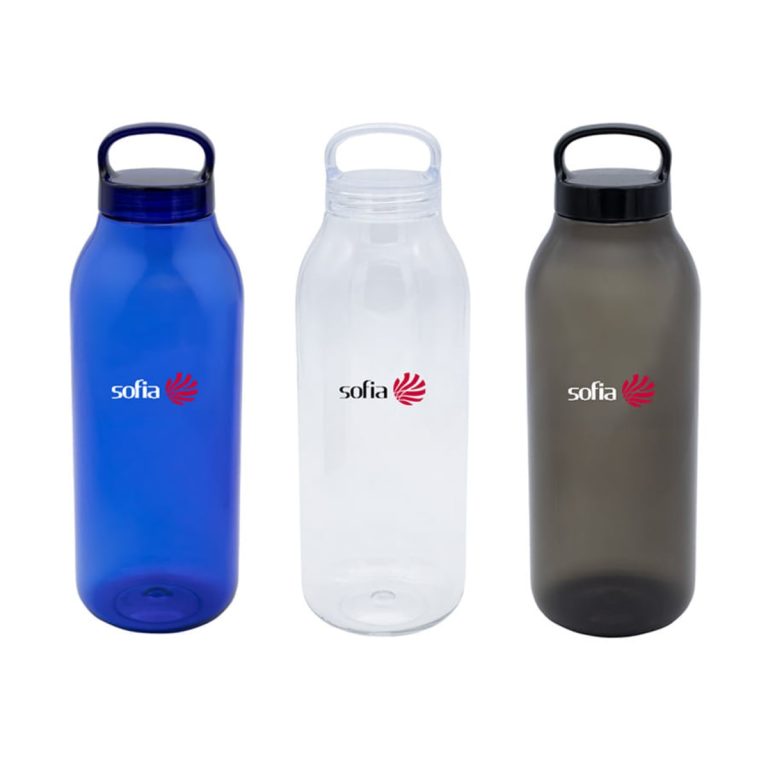
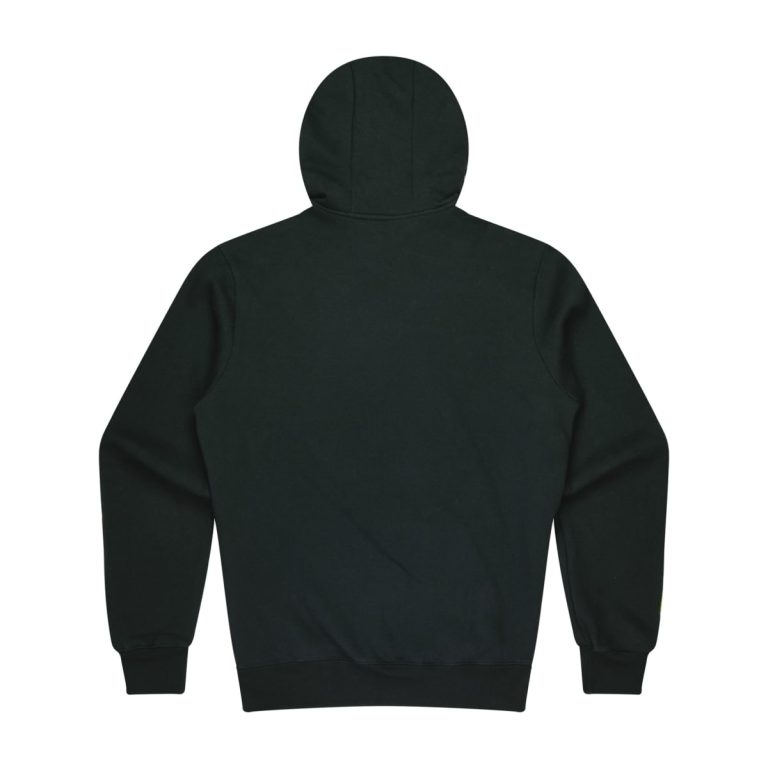
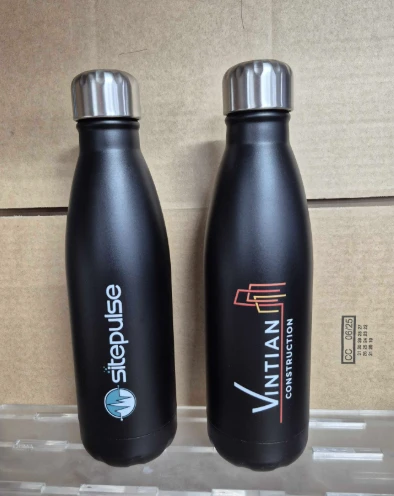
- Bulky product choices: Cooler bags, umbrellas, and drink bottles take up far more room per dollar than pens or lanyards.
- One order for every purpose: A single bulk order meant to cover events, onboarding and client gifts for 12 months.
- No clear owner: Nobody tracks what’s on hand, so teams reorder items already sitting in a cupboard.
- Dated branding: A logo refresh or finished campaign leaves perfectly good stock that no one wants to hand out.

Know Which Products Eat the Most Space
Some items take up more shelf space than others. We illustrated in the table below how much space our best-selling merch takes up:
Our Recommendations
Do an honest stock count first
Pull everything out, count it, and note which logo version each item carries. Clients are often surprised to find they already hold enough of something to cover the next two events.
Order based on your calendar
List your upcoming events, onboarding sessions, and gifting needs for the next six months, and order only what you need. Paying a bit more per item for 400 pieces is often better than buying 1,000 and having 600 take up space you pay for.
Choose products that pack flat
If storage space is tight, choose items that stack easily. Here are some swaps that work well:
- Collapsible silicone bottles instead of rigid stainless steel bottles
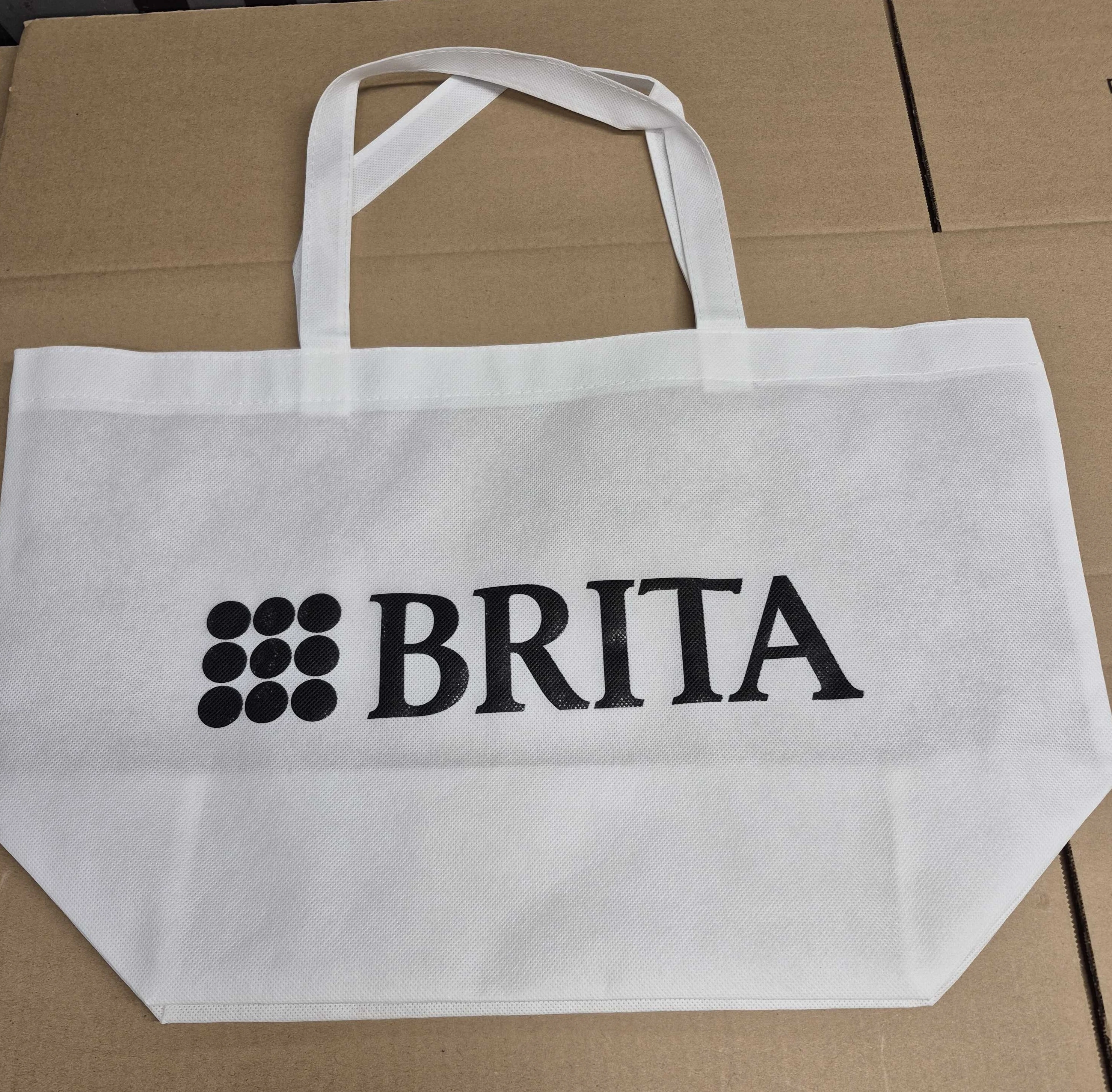
- Cotton or recycled totes instead of structured bags
- Bandanas or tea towels instead of caps for casual giveaways
- Sticker sheets and patches instead of bulky novelty items
Ask about splitting large orders
Instead of receiving a full year’s supply at once, ask your account manager if you can split your order over several delivery dates. This way, you keep your product and branding consistent while storing only what you need for the next event or quarter.
Give every carton a job before it arrives
Each order should have a clear purpose and an owner. When stock arrives with a plan, it moves out of the office more quickly.
Set a shelf-life rule
Decide that anything left unused after 12 months will be repurposed, donated, or given to staff. This keeps your cupboard from turning into a storage archive.

A Quick Storage Audit Checklist
When we see our showroom overflowing with excess giveaways from a trade show event we joined, I always check:
- Every item has been counted and logged in one shared spreadsheet.
- Old or superseded logos are flagged for internal use or donation.
- Events for the next six months are mapped against current stock.
- Bulky items are only ordered with a confirmed event in mind.
- Apparel orders are based on confirmed size lists.
- One person owns merch stock and approves reorders
- Large orders are discussed with your account manager before placing.
What Changes When Clients Plan This Way
Regina Mangubat, an account manager for many of our corporate and uniform programs, sees this difference often. “Clients who are organised about what they need and when end up with less stock sitting around and fewer rushed reorders,” she says. “It also means the merch they hand out is current, which matters for brand presence.” A before-and-after view shows how the shift typically plays out.

Where to Start This Week
If your office is already crowded, don’t wait for the perfect system. Count what you have, choose the three bulkiest items, and use them at your next event or give them to staff. Then meet with your account manager to plan your next six months before placing another order. Most teams find that clearing space is easier than they expect once they change their ordering habits.
Ready To Buy?