
Key Points:
- Minimum Order Quantity (MOQ) is the lowest unit volume required to begin production, based on fixed setup and manufacturing costs.
- Setup steps such as artwork preparation, machine configuration, and packing apply regardless of order size, which is why smaller quantities carry higher unit prices.
- Buyers should confirm headcount and add a buffer early to avoid shortages or last-minute quantity adjustments.
The Minimum Order Quantity (MOQ) is the minimum number of units that can be ordered for a product. MOQs exist because production and setup costs must be spread across a batch. If you are buying branded merchandise in bulk, understanding MOQs helps you plan quantities properly and avoid delays. In this blog, we define and break down everything you need to know about Minimum Order Quantities before placing an order.
What Is a Minimum Order Quantity?
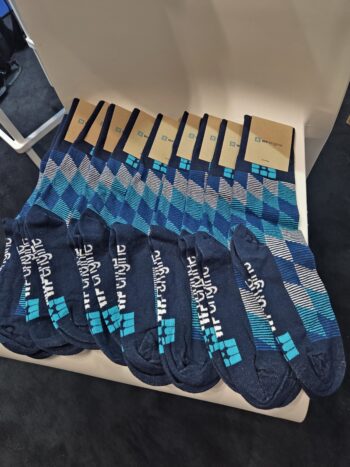
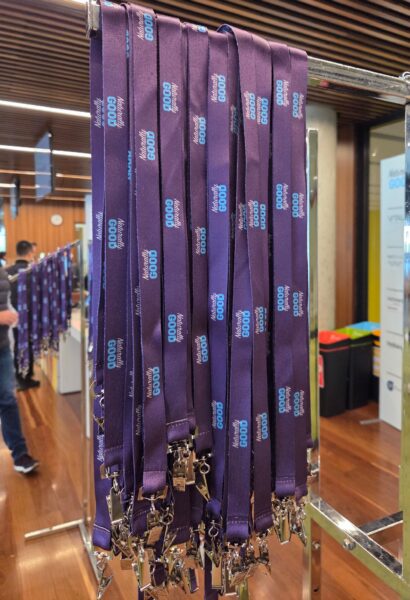
An MOQ is the minimum number of units required to proceed with production. For example, a specific drink bottle may have a minimum order of 100 units. A cap can have 250 units or 150 pens. The number is based on production setup requirements, not preference.
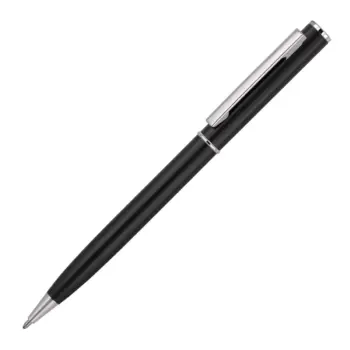
This is particularly common with high-volume items such as promotional pens, where wholesale production efficiencies determine the minimum order quantity.
Why They Exist?
MOQ exists because every order has setup costs. These costs remain the same regardless of how many units you buy. Before production starts, the supplier must:
- Prepare and check your artwork,
- Set up printing machines,
- Allocate production time, and
- Organise packing and dispatch.
Once your quote is approved, the order moves into our formal sales order process, where timelines, payment terms, and delivery details are confirmed in line with our sales terms and conditions. This structured process protects both parties and ensures production commitments are clearly defined before work begins.
How They Affect Pricing?
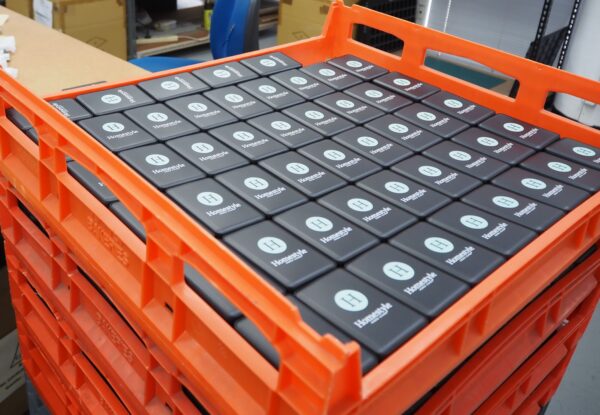
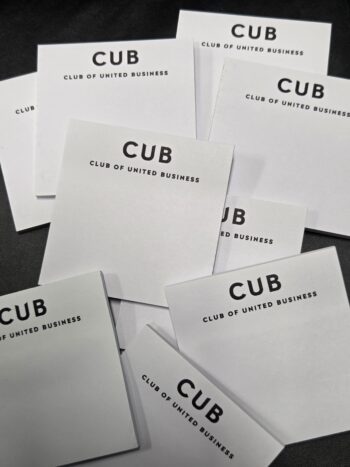
Unit price usually decreases as quantity increases. This happens because setup costs are spread across more units.











 Australian Made
 Best Sellers
 New Products
 Under $5
 Rush Orders
 Sale
Sale Low Order Quantity
 Corporate Uniforms
 Eco Apparel
 Hoodies & Sweaters
 Jackets
 Kids' Clothes
 Other Apparel
 Polo Shirts
 Socks
Socks Shoes
Shoes Sports Bottoms
 Sports Uniforms
 Singlets
 Tee Shirts
 Workwear
 Backpacks
 Briefcases
 Coolers
 Drawstring Bags
 Dry Bags
 Duffle Bags
 Kids Activity Bags
 Laptop
 Luggage and Travel
 Paper Bags
 Satchels
 Specialised Bags
 Tote Bags
 Bandanas
 Beanies
 Bucket Hats
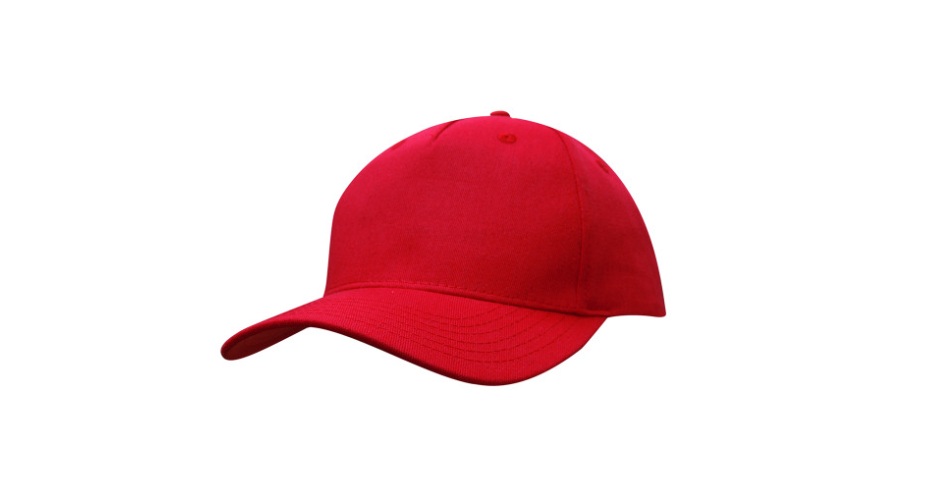 Caps
Caps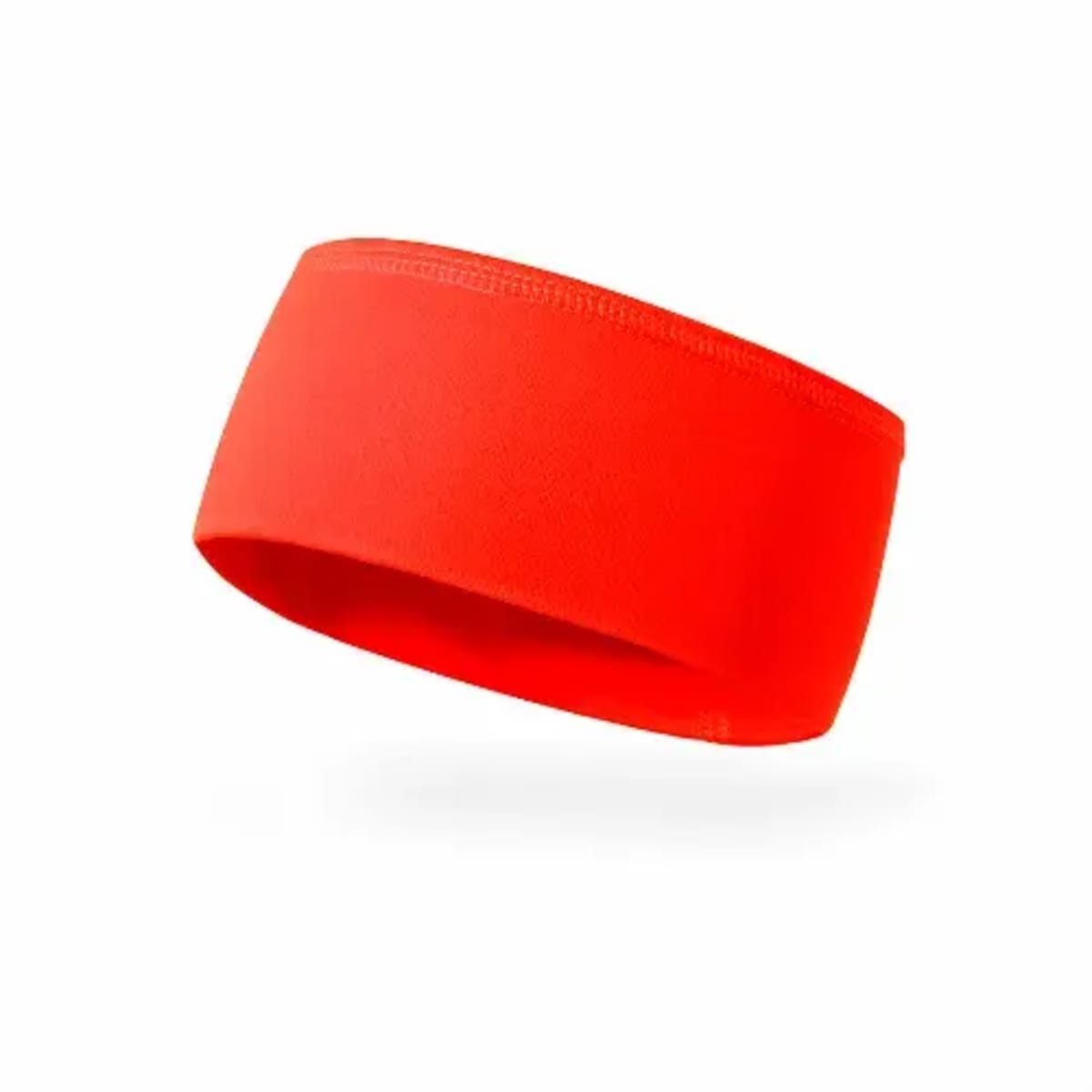 Headbands
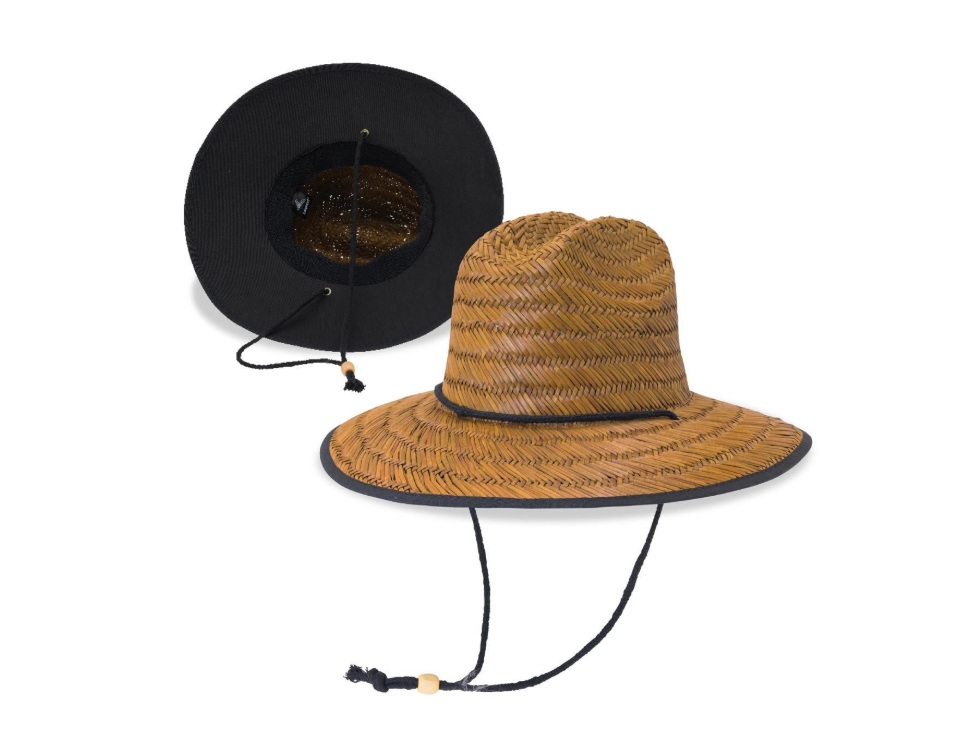 Straw Hats
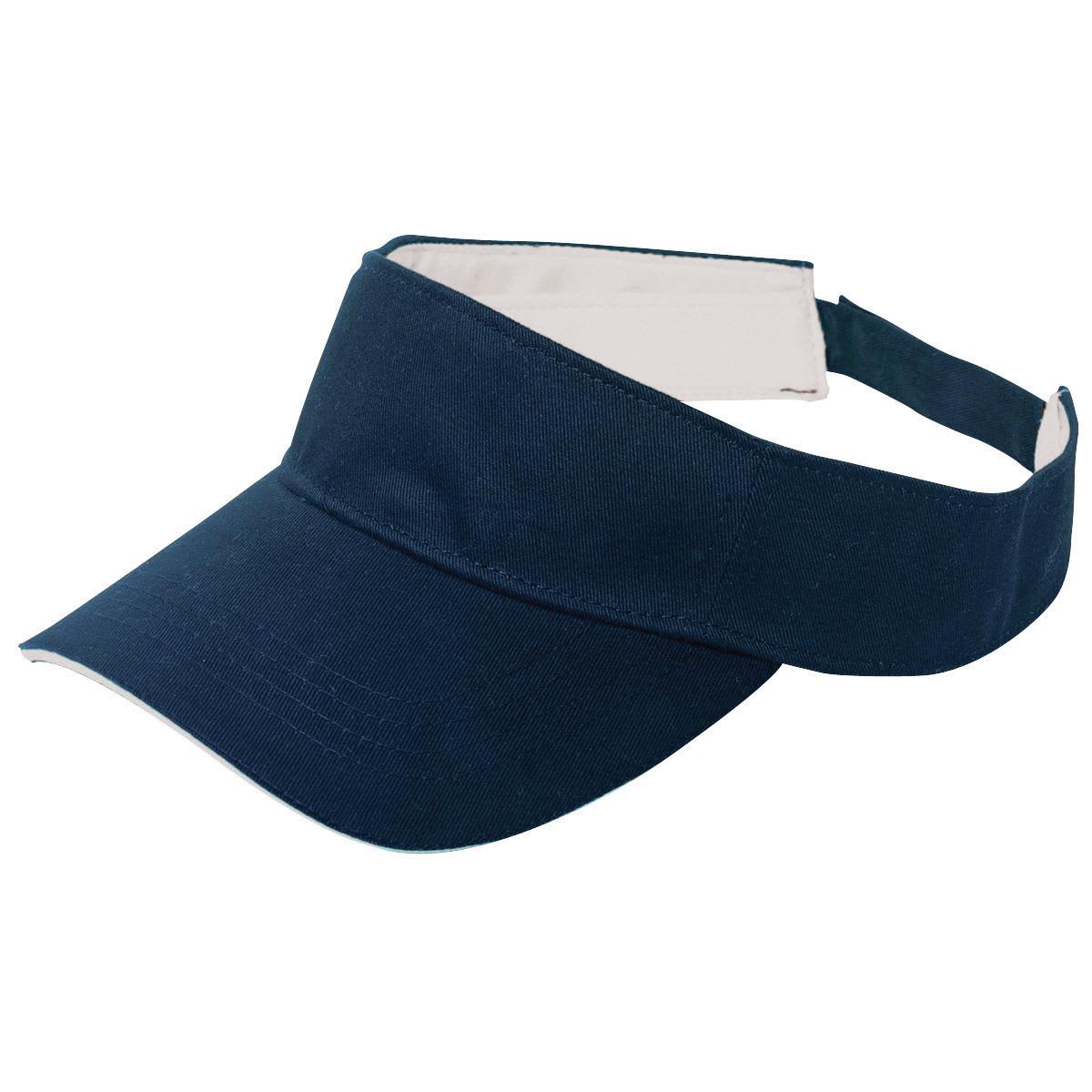 Visors
 Bottle Openers
 Bottled Water
 Drink Bottles
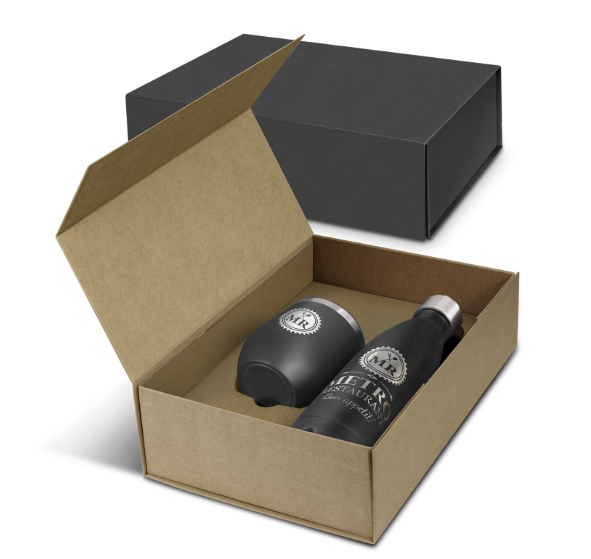 Drinkware Gift Sets
 Glass & Poly Cups
 Mason Jars
 Mugs
Mugs Stubby | Bar & Drinkware
 Wines
Wines


 Audio
Audio Business Card Holders
 Compendiums
 IT Gift Sets
 Notebooks | Diaries
 Tech Computers
 Tech Mobile
 USB Flashdrives
 Beach Towels
 Beachballs & Inflatables
 Car Accessories
 Golf
Golf Lighters
 Picnic Gear
 Sports Items
 Sunglasses
 Sunscreens
 Torches
 Travel Essentials
 Thongs
 Umbrellas | Ponchos
 Watches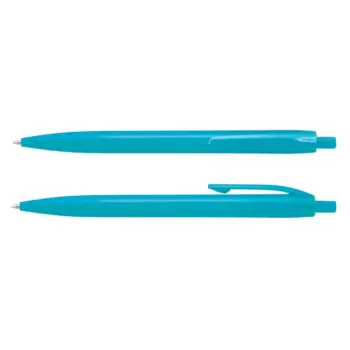
 Crayons
 Colouring Pencils
 Highlighters
 Markers
 Pens
Pens Pencils
 Post-It & Sticky Notes
 Other Stationery

 Active Toys
 Card Decks
 Coin Banks
 Conference Toys
 Event Toys
 Fidget Items
 Frisbees
 Games & Puzzles
 Kids
Kids Plush Toys
 Stress Balls

 Charity & Community
 Chocolates & Lollies
 Keyrings
 Lanyards | Badges
 Print | Signage

 Antibacterial
 Eco Products
 Gift Box Sets
 Homeware
 Pet Products
 Personal Care
 Occasion Ideas