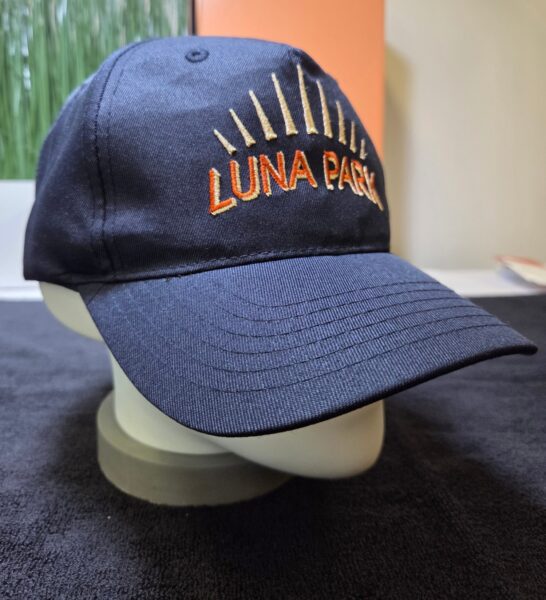
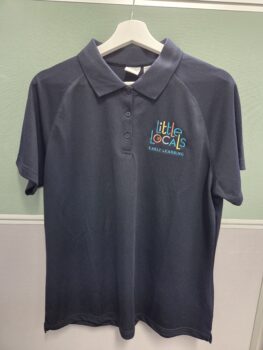
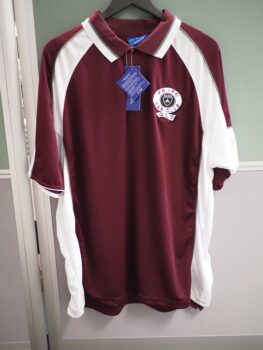
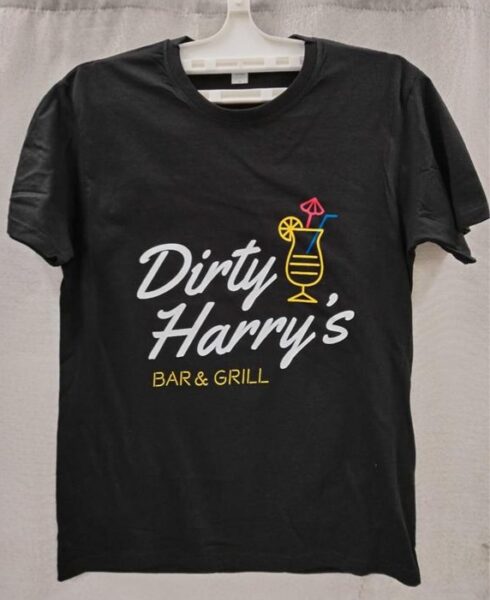
Choosing between unisex and fitted apparel affects sizing accuracy, comfort, and how professionally your team represents your brand.
Unisex styles are perfect for ordering in bulk because they use a one-size-fits-all chart, while fitted styles require separate sizing for men and women.
Choose unisex for large events or high turnover. Use fitted for customer-facing or long-term uniform programs.
Choosing between unisex and fitted apparel affects comfort, sizing accuracy, and how your team presents your brand. Unisex styles are easier to manage in bulk. While fitted styles offer a more tailored look. But this style also requires exact sizes from each person you will be giving the apparel to.
If you’re ordering branded polos, t-shirts, jackets, or uniforms across Australia, this guide will help you decide.
What’s the Difference Between Unisex and Fitted?
Unisex apparel is designed with a straight cut that suits a broad range of body types. It typically follows men’s sizing standards. While fitted apparel is shaped differently for men and women. Cuts for women may taper at the waist, have adjusted sleeve length, and fit differently across shoulders and hips.
Quick Comparison
Factor
Unisex Apparel
Fitted Apparel
Size simplicity
Easier
More complex
Bulk ordering
Straightforward
Requires size split
Professional appearance
Standard
Tailored look
Risk of wrong fit
Moderate
Higher if sizing unclear
Suitable for events
Yes
Yes
Suitable for uniforms
Yes
Often preferred
Why Many Teams Choose Unisex?
Unisex styles are popular for large, mixed teams. They work well when:
You are ordering 100+ units.
Staff turnover is frequent.
Apparel is for events or short-term use.
Because unisex garments follow one size chart, they are easier to order. You avoid managing separate men’s and women’s allocations. Unisex apparel is also practical when stock needs to be redistributed later.
In our online merch uniform stores for Australian organisations, we’ve seen teams streamline size selection and ongoing reorders effectively. It helped them reduce admin time, improve stock visibility, and keep uniform programs consistent across their departments or locations.
When Fitted Apparel Makes Sense
Fitted styles are often chosen when presentation matters. They work well for:
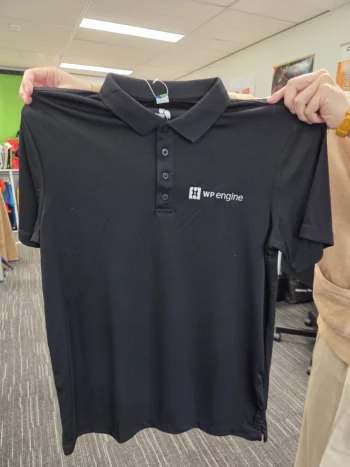
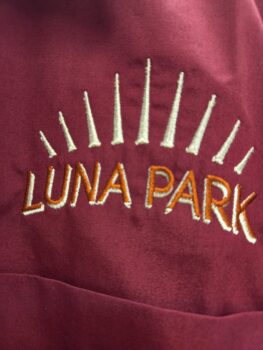
A tailored fit creates a more polished appearance, especially for office or retail environments. But fitted apparel requires accurate size collection. Either way, branding method and garment quality play a big role in maintaining a professional look. That’s where choosing the right base garment matters. You can start with our range of custom-print tee shirts and embroidered polo shirts suited to office, retail, and client-facing roles.
Sizing Considerations
Sizing is where most bulk apparel issues occur.
With unisex apparel:
Sizes typically run XS to 5XL.
One size chart applies to all.
Women may size down for a better fit.
With fitted apparel:
Separate men’s and women’s size charts
Different measurements across styles
More detailed data collection is required.
If your team is spread across Australia, collecting accurate sizing early can prevent rollout delays and unnecessary replacements. We often highlight this as one of the common mistakes when choosing staff uniforms in Australia, especially for organisations managing multiple locations.
Budget and Quantity Planning
Cost differences between unisex and fitted styles are usually small. The larger impact comes from quantity splits.
For example:
Scenario
Ordering Complexity
200 unisex polos
Single size breakdown
200 fitted polos
Separate men’s and women’s quantities
Team Feedback Matters
If apparel will be worn regularly, consider what your staff prefers. Questions to ask internally:
Will this be worn daily or occasionally?
Is the role customer-facing?
Does the team prefer tailored styles?
Are there existing uniform guidelines?
Which Should You Choose?
Unisex and fitted apparel both serve a purpose. The key is aligning the garment style with where you will use them and what your team prefers.
Charles Liu is the Founder and Marketing Director of Cubic Promote, an Australian supplier of promotional products, branded merchandise and corporate uniforms. With more than 20 years of industry experience, Charles helps Australian organisations plan, source and deliver branded products and apparel for marketing campaigns, workplaces, conferences, corporate gifting programs and major events.
His expertise covers product branding, global logistics, project management, marketing, leadership, product safety and B2B supply. He works at the point where marketing ideas must become practical products—within a defined budget, production deadline and quality requirement. Connect with Charles Liu on LinkedIn