Common Mistakes When Choosing Staff Uniforms in Australia
Last Updated: 29 September 2026
Key Points
- Uniform shirts should be chosen based on real working conditions like movement, heat, washing frequency, and shift length.
- Fabric weight, garment construction, and branding methods all affect how polos, tees, and hoodies hold up after repeated wear and washing.
- Using different uniform styles for different staff roles can improve comfort, durability, and long-term wear life across teams.
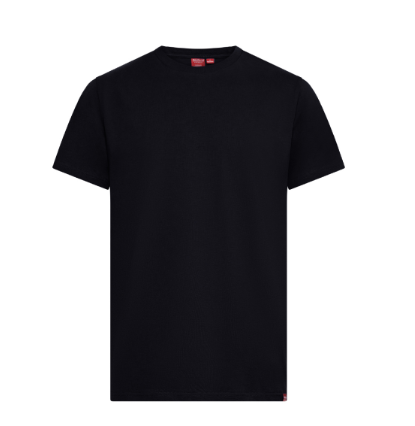
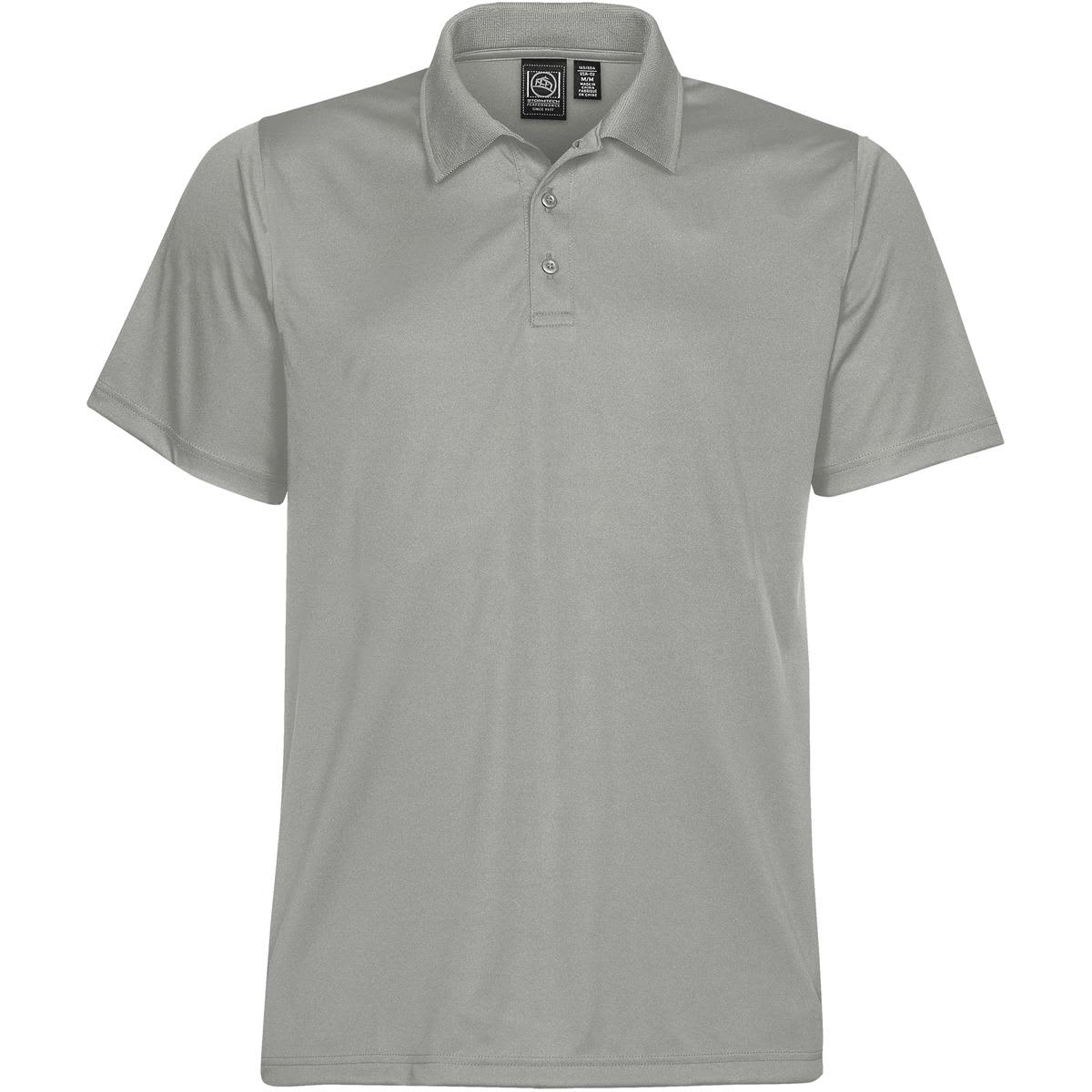
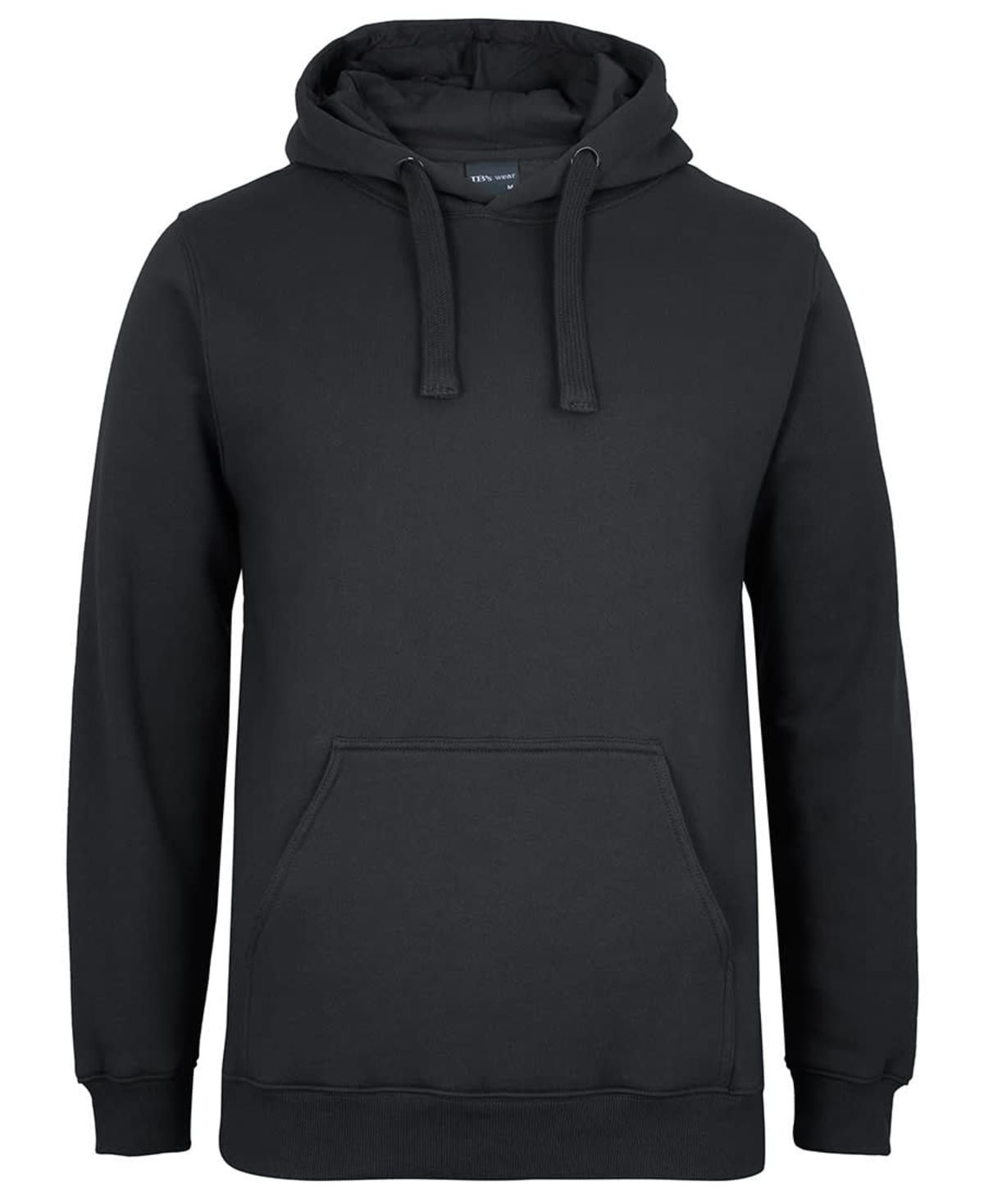
Across Australia, many organisations use polo shirts, T-shirts and hoodies as staff uniforms, especially in hospitality, events, retail, education, community organisations and workplaces.
Most uniform orders start with the same goals: a consistent look, a comfortable fit, and branding that represents the organisation well. The problem is that many garments are chosen based on how they look and feel at rollout, without fully accounting for how they’ll hold up after months of wear, washing, movement and logo application.
Below are common mistakes organisations make when choosing uniform shirts — and what to check early so your polos, tees and hoodies stay wearable and presentable for longer.
What to Check Before You Choose a Uniform
Key variables that affect wear and tear
| Variable | Why it matters long-term |
|---|---|
| Fibre structure | Affects strength and recovery |
| Yarn quality | Influences pilling and abrasion |
| Fabric weight (GSM) | Impacts durability and comfort |
| Knit construction | Impacts stretch, airflow and stability |
| Finish & treatment | Changes wash and colour performance |
Mistake #1: Choosing a Style That Doesn’t Match the Job
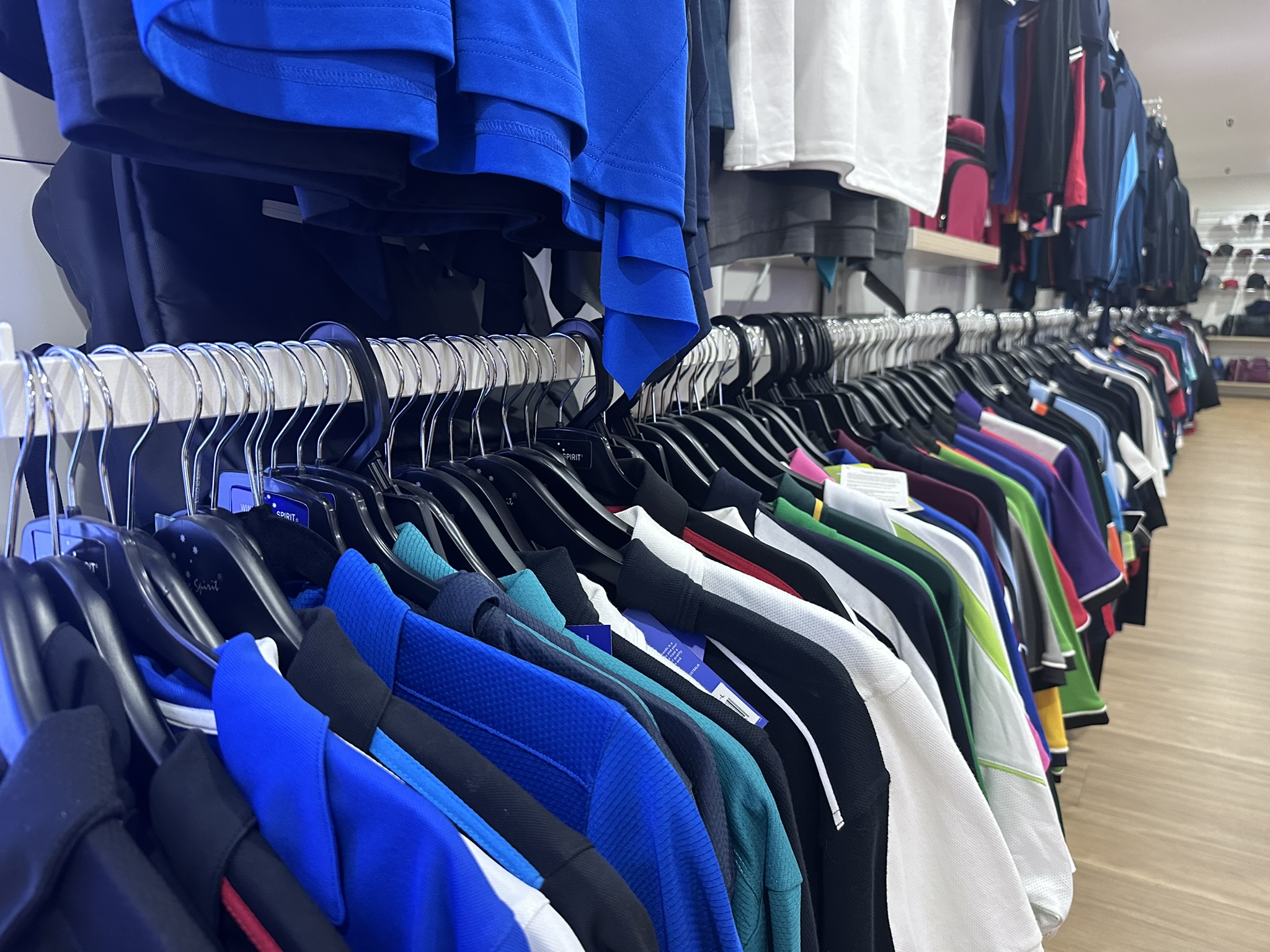
- A lightweight event tee used for weekly shifts starts to thin and lose shape.
- A fashion-fit polo works for short wear but becomes uncomfortable during long active shifts.
- A fleece hoodie chosen for warmth feels too heavy for teams moving between indoor/outdoor areas.
- How long will it be worn per shift?
- Whether staff are mostly active or mostly stationary
- Indoor/outdoor exposure and seasonality
Mistake #2: Picking Garments Based on Labels
How climate-related issues tend to show up over time
| Symptom | What’s happening |
|---|---|
| Staff feel overheated | Fabric holds moisture more after washing |
| Shirts feel heavier over time | Fibres retain moisture |
| Reduced airflow | Fabric tightens through laundering |
| Complaints increase | Comfort drops before appearance does |
Mistake #3: Choosing the Wrong Weight (GSM)
What GSM ranges typically mean for uniform shirts
| GSM Range | Typical outcome in uniform use |
|---|---|
| Under 160 GSM | Faster wear, transparency, distortion |
| 160–190 GSM | Balanced comfort and durability |
| 200+ GSM | More durable, but can run warmer |
Mistake #4: Underestimating How Much Washing Changes a Shirt
How wash cycles change garments
| Garment feature | Impact after repeated washing |
|---|---|
| Colour fastness | Colour fades unevenly |
| Elasticity / recovery | Shape loss and sagging |
| Surface integrity | Pilling and thinning |
| Seam strength | Stress point failure |
Mistake #5: Deciding Branding First
Common garment–branding mismatches
| Garment issue | Branding consequence |
|---|---|
| Stretch-heavy knits | Logo distortion |
| Lightweight fabrics | Embroidery pull or puckering |
| Heat-sensitive fibres | Print cracking |
| Textured surfaces | Reduced print clarity |
Mistake #6: Using One Shirt Across Different Roles
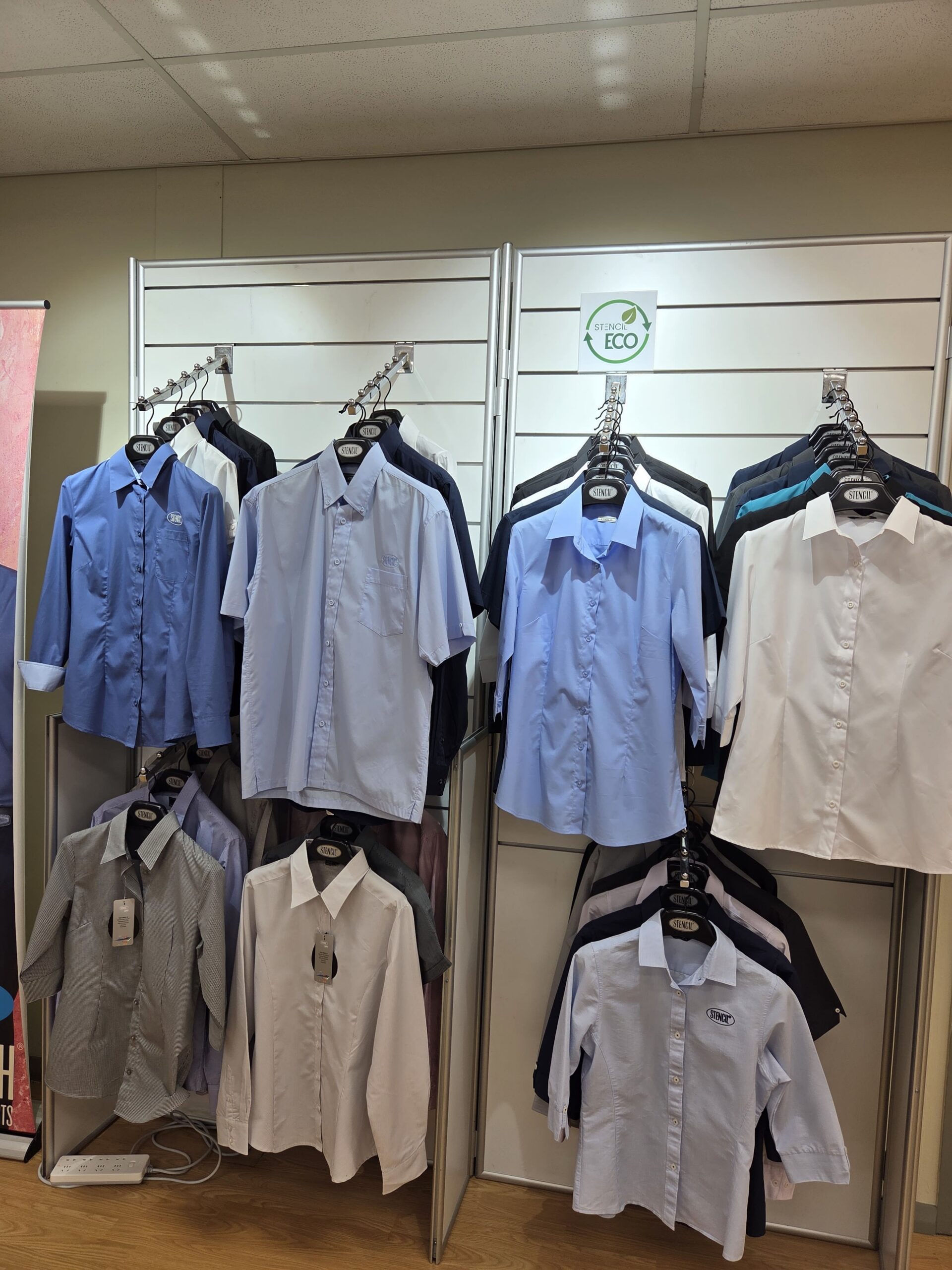
Role-based matching considerations
| Work context | What the shirt needs to handle |
|---|---|
| Customer-facing roles | Maintain shape and appearance during long wear |
| Physically active roles | Withstand movement, friction and frequent washing |
| Outdoor or event roles | Manage heat, moisture and sun exposure |
| Office or light-use roles | Stay comfortable and hold shape with regular wear |
When These Mistakes Become Expensive
- More frequent replacements
- Brand inconsistency as garments fade at different rates
- Lower adoption if items become uncomfortable
- Higher cost per wear
How uniform shirt issues translate into costs
| Issue | Operational impact | Financial effect |
|---|---|---|
| Shrinkage / distortion | Reordering | Budget overruns |
| Fading | Inconsistent branding | Reputation risk |
| Discomfort | Low adoption | Wasted inventory |
| Early wear | Shorter lifespan | Higher cost per wear |
Questions to Ask Before You Order
- How often will this item be worn and washed?
- Is it for year-round wear or seasonal use?
- Will staff be active or mostly stationary?
- How will it perform after a few months, not just day one?
- Should branding be embroidered, printed, or a mix — and will the garment support it?
Our Experience Supplying These
We’ve supplied corporate uniforms and shirts for teams and event staff. One common question I hear is whether the fit and fabric are comfortable enough. I understand this because most teams wear this for 8 hours. So if it isn’t comfortable enough, it will affect how productive they are. Aside from suggesting the best options I have known, I always encourage clients who are critical about the fabric to order free unbranded samples. That way, they can personally feel if the fabric is light and comfortable enough.
Making More Informed Uniform Shirt Choices
Shop From Our Range