
When buyers refer to “branding” a promotional product, they usually mean logo placement and colour. What’s often missed is how that logo is applied. Print and engraving aren’t the same, and using the wrong method can quietly reduce the value of an otherwise good product.
In this blog, we explain the key difference between the two and which method works best for your chosen item. Understanding this distinction is essential before making a decision.
The Difference Between Print and Engraving
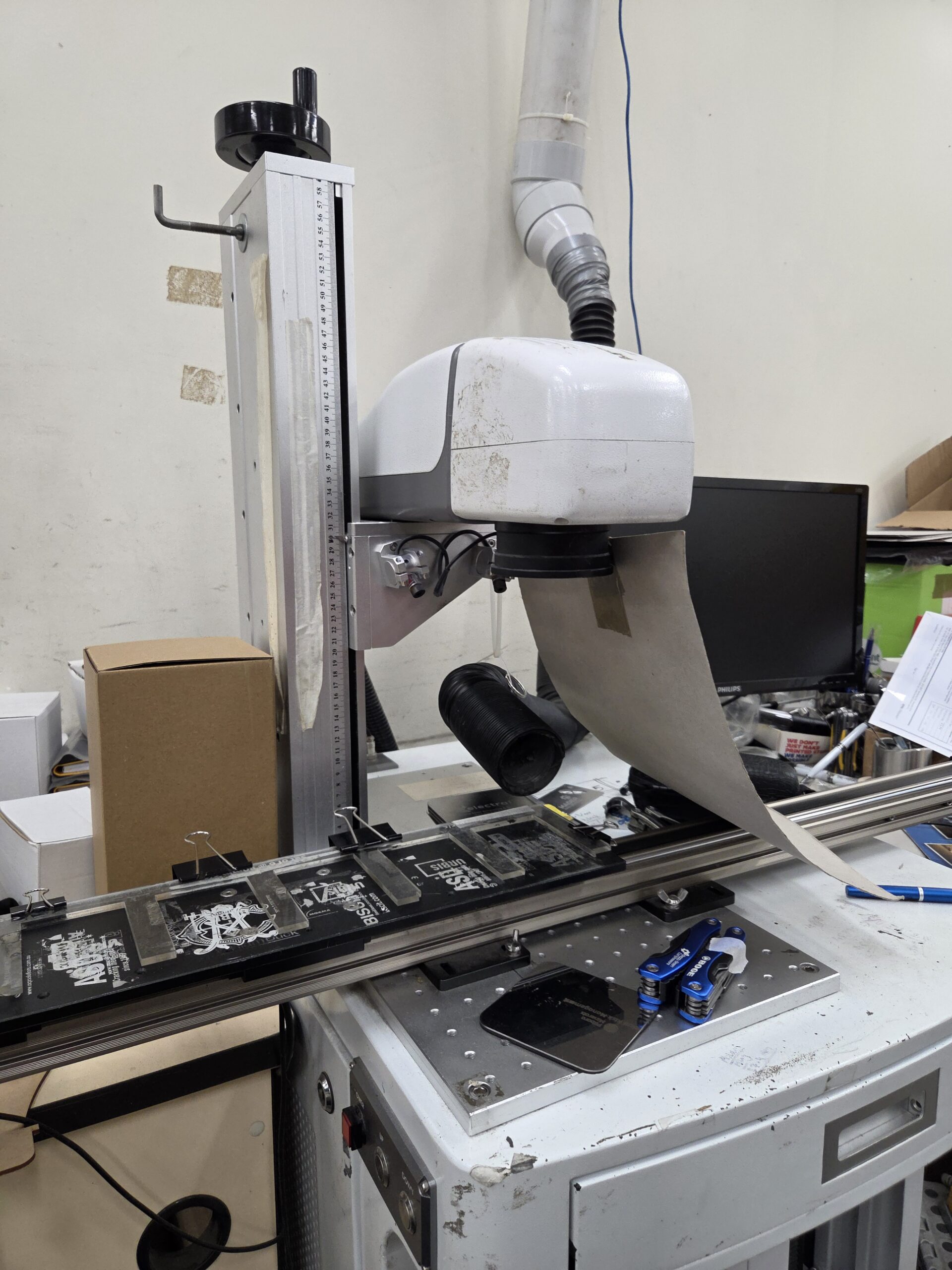
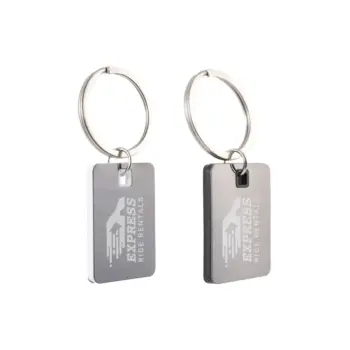
Printing adds ink or coatings to the product’s surface. Engraving removes material, using a laser to etch designs into metal, glass, or some plastics.
When printing is the right choice
Printing is about visibility and flexibility. It makes sense when:
- The logo has multiple colours, gradients, or fine detail
- Brand colour accuracy matters more than subtlety
- The product is used in short to medium-term campaigns
- The surface isn’t suitable for engraving (soft plastics, coated finishes, fabric components)
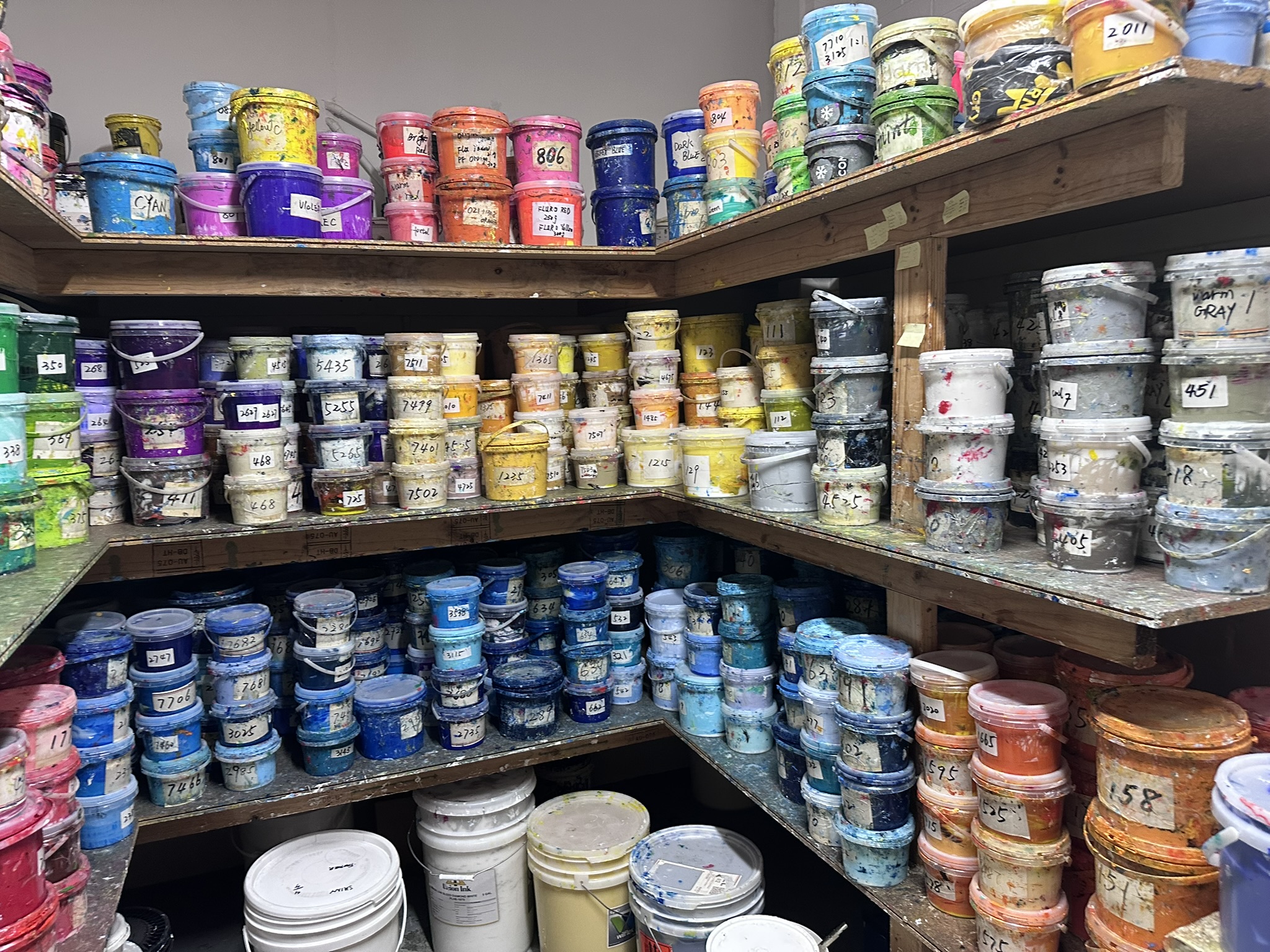
ink room for printing
Printing your logo works particularly well on drinkware, notebooks, tech accessories, and event items where visual impact is important. For giveaways designed to be noticed quickly — trade shows, conferences, community events — printing often delivers the strongest immediate recognition.
The trade-off is longevity. Printed logos can fade, scratch, or wear over time, depending on how the item is used and cleaned. That’s not a flaw — it’s simply a limitation of the method.
Pad Printing
Screen Printing
Rotary Screen Printing (for bottles)
When engraving makes more sense
Engraving is about permanence and perceived quality. It’s the right choice when:
- The product is made from metal or glass
- The logo is simple and readable without colour
- The item is expected to stay in use long-term
- Subtle, premium branding is preferred over bold visibility
Engraved branding doesn’t peel, fade, or rub off. It ages with the product rather than against it. That’s why engraving is often used for higher-perceived-value items like metal pens, stainless steel bottles, drinkware, and select tech products.
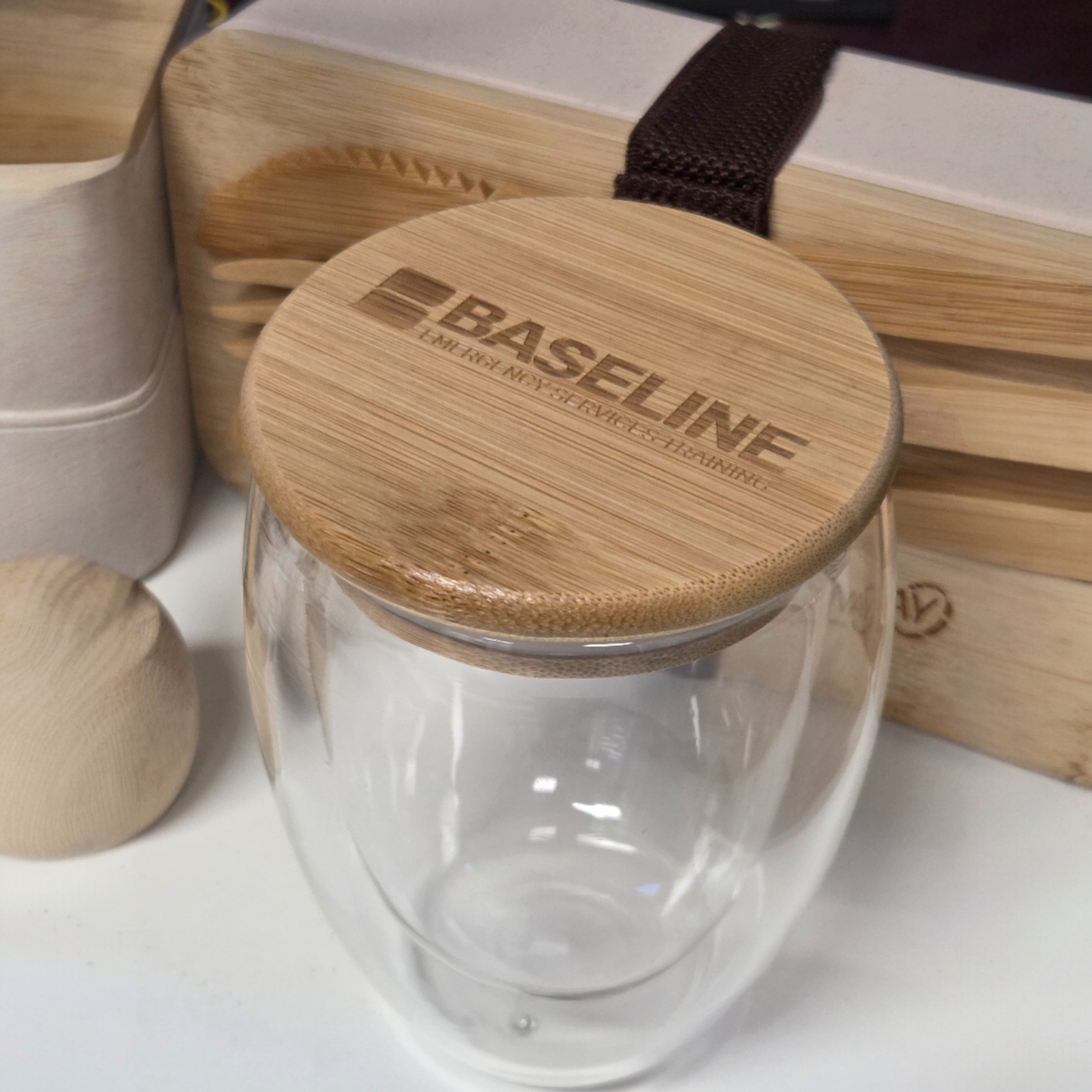
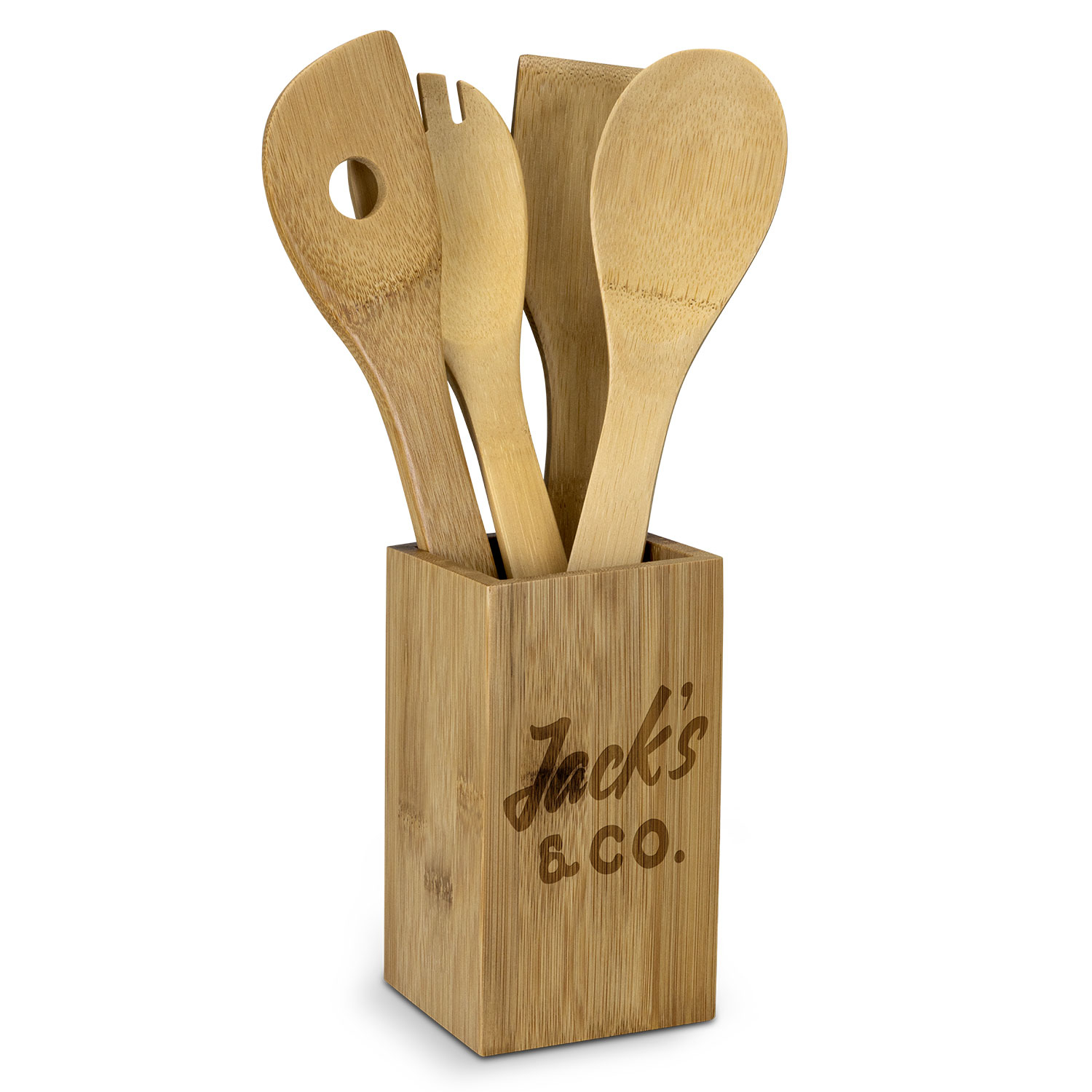
laser engraved branding on a product
The trade-off is colour. Engraving is typically monochromatic and relies on contrast rather than vibrancy. If colour is essential to brand recognition, engraving may not be suitable.
How the branding method affects cost-per-use?
From an ROI perspective, the branding method directly influences how long the product continues to represent the brand well. Printed items often have a lower upfront cost and are perfectly suited to high-volume distribution where the product may only be used for weeks or months.
Engraved items usually cost more per unit but maintain their appearance for years. When spread across long-term use, the cost-per-use can be significantly lower — especially for items that stay in daily rotation. The mistake businesses make is choosing print on products expected to last, or engraving on products designed for short-term visibility.
Questions to Ask Before Choosing
The most reliable way to choose between print and engraving is to look at how the product will be used, not how the logo looks on screen.
Ask:
- Will this item be used daily, occasionally, or briefly?
- Will it be washed, refilled, or handled constantly?
- Is this a giveaway or a keep-item?
- Does the brand benefit more from bold visibility or subtle association?
Once those questions are answered, the branding method usually becomes obvious.
Common mistakes buyers make
A few patterns show up repeatedly:
- Choosing to print on metal items that will be used for years, then being disappointed when the logo wears
- Choosing engraving for products where colour is critical to brand recognition
- Letting unit price drive the branding decision rather than product lifespan
- Assuming one method is “higher quality” without considering context
Need Help in Choosing Which Method Works?
Print and engraving are tools, not upgrades. Printing delivers colour, flexibility, and immediate visibility. Engraving delivers durability, subtlety, and long-term brand presence. The right choice depends entirely on the product, the audience, and how long you expect the item to stay in use.
If you need more guidance into choosing which method works best for your chosen promotional item, talk to our merchandise experts now!











 Australian Made
 Best Sellers
 New Products
 Under $5
 Rush Orders
 Sale
Sale Low Order Quantity
 Corporate Uniforms
 Eco Apparel
 Hoodies & Sweaters
 Jackets
 Kids' Clothes
 Other Apparel
 Polo Shirts
 Socks
Socks Shoes
Shoes Sports Bottoms
 Sports Uniforms
 Singlets
 Tee Shirts
 Workwear
 Backpacks
 Briefcases
 Coolers
 Drawstring Bags
 Dry Bags
 Duffle Bags
 Kids Activity Bags
 Laptop
 Luggage and Travel
 Paper Bags
 Satchels
 Specialised Bags
 Tote Bags
 Bandanas
 Beanies
 Bucket Hats
 Caps
Caps Headbands
 Straw Hats
 Visors
 Bottle Openers
 Bottled Water
 Drink Bottles
 Drinkware Gift Sets
 Glass & Poly Cups
 Mason Jars
 Mugs
Mugs Stubby | Bar & Drinkware
 Wines
Wines


 Audio
Audio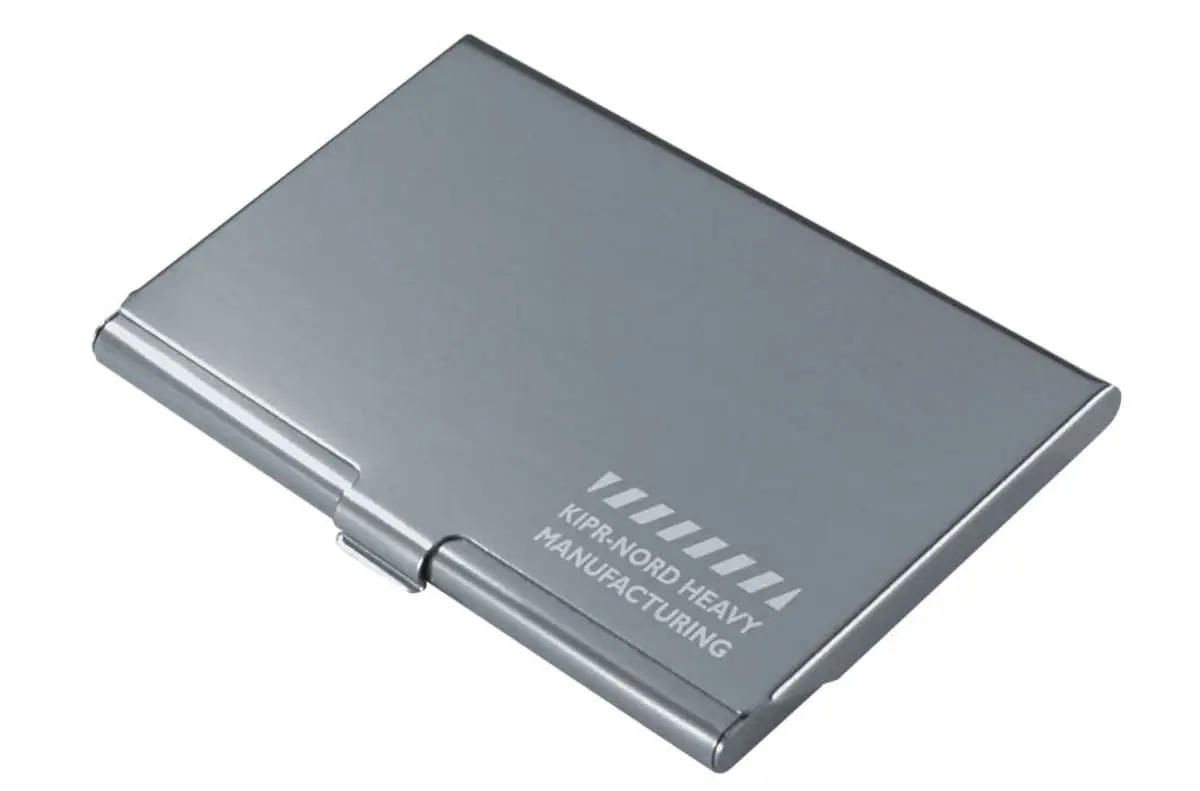 Business Card Holders
 Compendiums
 IT Gift Sets
 Notebooks | Diaries
 Tech Computers
 Tech Mobile
 USB Flashdrives
 Beach Towels
 Beachballs & Inflatables
 Car Accessories
 Golf
Golf Lighters
 Picnic Gear
 Sports Items
 Sunglasses
 Sunscreens
 Torches
 Travel Essentials
 Thongs
 Umbrellas | Ponchos
 Watches
 Crayons
 Colouring Pencils
 Highlighters
 Markers
 Pens
Pens Pencils
 Post-It & Sticky Notes
 Other Stationery

 Active Toys
 Card Decks
 Coin Banks
 Conference Toys
 Event Toys
 Fidget Items
 Frisbees
 Games & Puzzles
 Kids
Kids Plush Toys
 Stress Balls
 Charity & Community
 Chocolates & Lollies
 Keyrings
 Lanyards | Badges
 Print | Signage
 Antibacterial
 Eco Products
 Gift Box Sets
 Homeware
 Pet Products
 Personal Care
 Occasion Ideas