Why Some Materials Don’t Work with Certain Print Methods in Practice?
Key Points:
- Some materials don’t suit certain print methods due to limits in texture, heat tolerance, and ink adhesion.
- Mismatches can lead to fading, peeling, cracking, or poor print quality across different products.
- Cubic Promote reduces risk by matching materials to methods and flagging issues before production.
Not all branding methods work on every product. The material you choose directly limits how your logo can be applied, how it looks, and how long it lasts. If you mismatch the material and print method, the result is usually poor quality, short lifespan, or outright production failure. That’s the practical reality most buyers only discover too late.
For businesses ordering promotional products, uniforms, or corporate gifts in bulk, understanding this upfront saves time, avoids rework, and protects your brand. This isn’t theory. It’s based on what actually happens during production.
The Simple Explanation
Every print method relies on how ink, heat, pressure, or engraving interacts with a surface. Some materials absorb ink. Others repel it. Some can handle heat. Others warp or melt. Some surfaces are smooth. Others are textured or flexible.
When those properties don’t match the print method, things go wrong.
The Core Rule Most People Miss
Materials don’t fail by chance. Their failures are usually predictable. If you understand these three factors, you can usually predict whether a branding method will work:
- Surface texture (smooth vs rough)
- Heat tolerance (can it handle high temperatures?)
- Ink adhesion (does ink bond or sit on top?)
If any of these don’t match the print method, you’ll likely have problems.
Common Material vs Print Method Mismatches
These are the situations where problems most often appear in real orders.
For a business, this is even worse than a production failure. You’ve already paid, handed out the product, and now your brand is linked to something that looks cheap.
What Actually Happens during Production?
When there’s a mismatch, the problem doesn’t always show up right away.
Here’s what typically happens:
- The print looks fine initially.
- Minor handling starts to show wear.
- Edges begin to lift, crack, or fade.
- After repeated use, branding degrades.
From a business perspective, that’s worse than a production failure. You’ve already paid, distributed the product, and your brand is now tied to something that looks low quality.
Why Certain Print Methods Have Strict Limitations?
Each branding method has built-in constraints. Ignoring them is where most issues start.
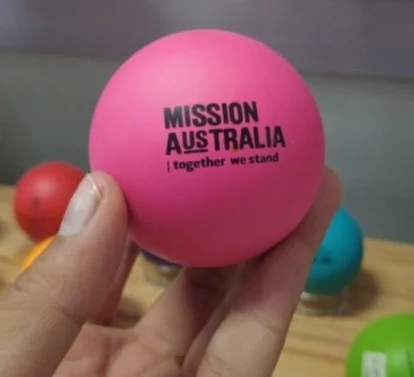
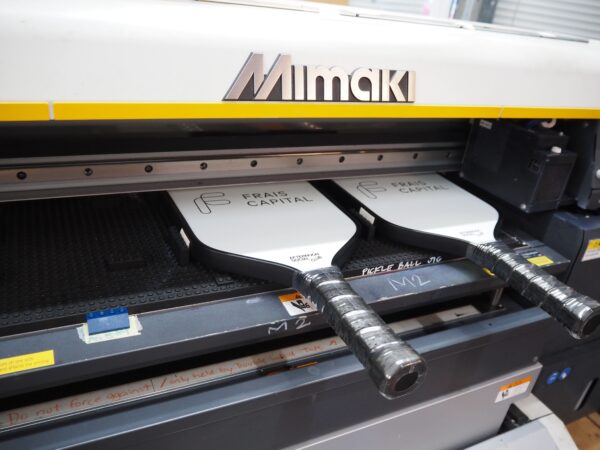
Works best on small, curved, rigid surfaces. Problems:
- Struggles with flexible materials
- Limited durability on high-contact items
- Not ideal for textured surfaces.
Great for flat surfaces and fabric. Problems:
- Inconsistent on coated or synthetic materials
- Ink bleeding on certain fabrics
- Not suitable for very small or detailed logos.
Premium and long-lasting. Problems:
- Only works on specific materials (metal, wood, some plastics)
- No colour (just etched finish)
- Can look weak on certain coatings.
Heat Transfer / Digital Transfer
Good for detailed, full-colour designs. Problems:
- Can crack or peel on stretch fabrics
- Requires heat-resistant materials
- Not ideal for long-term heavy use items.
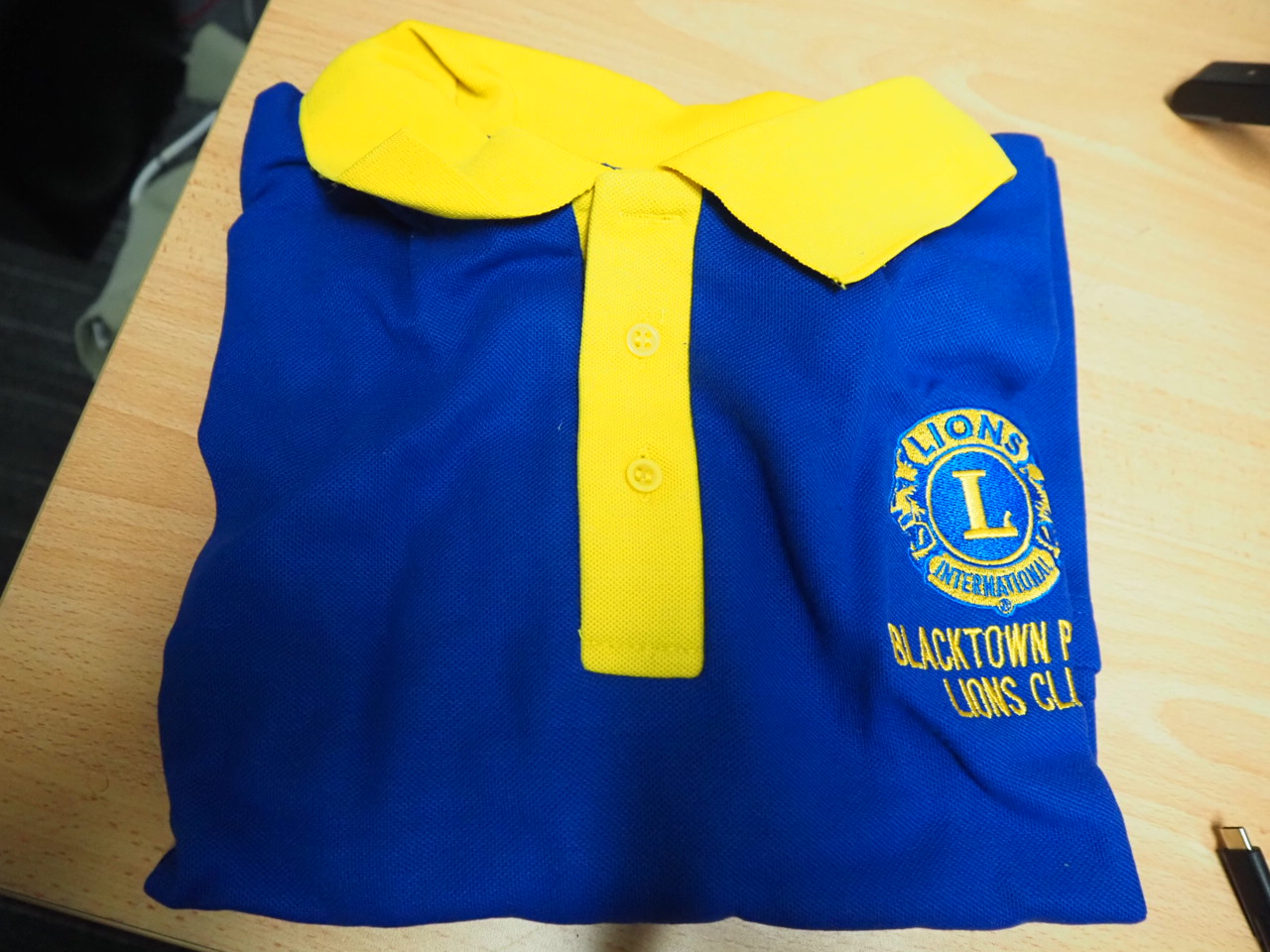
Best for apparel and uniforms. Problems:
- Not suitable for thin or lightweight fabrics
- Fine details can get lost
- Higher cost and longer production time.
Material Behaviour Matters More Than the Product Itself
Most buyers think in terms of products: bottles, bags, shirts. Production teams think in terms of materials: stainless steel, cotton, polyester, silicone. That’s the key difference. Two products can look identical but behave completely differently in production because of the material.
Example:
- A cotton tote bag prints cleanly with screen printing.
- A coated nylon tote same print method may bleed or fail.
- They’re in the same product category, but the results are completely different.
How to Choose the Right Combination? (Without Overthinking It)
You don’t need to become a production expert. You just need to ask better questions upfront. Use this quick framework:
If the supplier can’t answer these clearly, that’s a problem.
Practical combinations that work reliably
If you want low-risk options, these combinations consistently perform well:
- Cotton fabric + screen printing
- Polyester apparel + high-quality heat transfer
- Stainless steel + laser engraving
- Hard plastic + pad printing (for simple logos)
- Premium apparel + embroidery
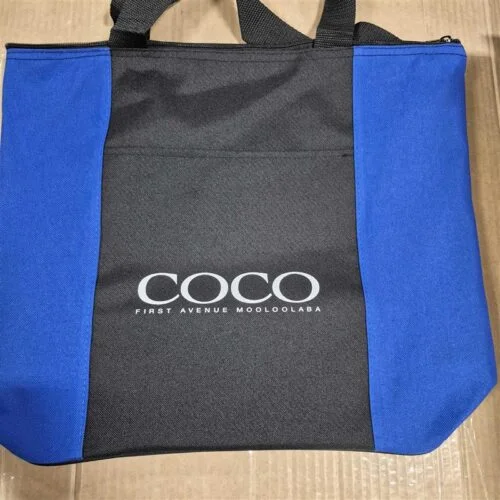
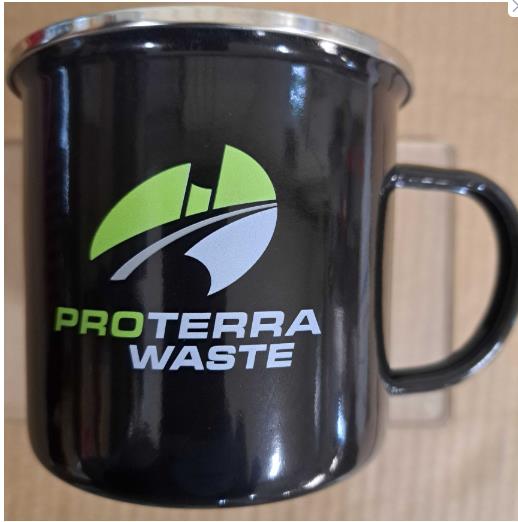
We have noticed that these aren’t only flashy trends. They’re also dependable options that simply work, time after time.
Where Buyers Make Bad Decisions
Most issues come from the same patterns:
- Prioritising cost over compatibility
- Choosing a print method based on appearance, not suitability
- Forcing detailed logos onto unsuitable materials
- Ignoring supplier recommendations
- Trying to replicate a design seen on a different product
The last one is common. Just because a logo looks great on a metal bottle doesn’t mean it will work on a fabric bag.
The Hidden Cost of Getting This Wrong
Getting this wrong does not just affect the quality of your merch. It also impacts how your clients or prospects perceive your brand, how the staff will use the uniforms, or if the product will be reused. A poorly branded product doesn’t get used. If it doesn’t get used, it doesn’t deliver any marketing value. At that point, the entire order becomes wasted spend.
How Experienced Suppliers Prevent These Issues
A good supplier doesn’t just process orders. They help you avoid bad decisions. In practice, that means:
- Recommending alternative branding methods
- Suggesting different materials when needed
- Simplifying artwork for better results
- Flagging durability concerns early
- Setting realistic expectations
This is where experience really counts. Anyone can print a logo, but not everyone can help you avoid a bad result.
What This Means for Bulk Buyers in Australia?
For Australian businesses ordering in bulk, especially for events, onboarding, or campaigns, the margin for error is small. Deadlines are fixed. Budgets are allocated. Products are distributed at scale. Once 1,000 units are delivered, you don’t get a second chance to fix a bad branding choice. That’s why material and print compatibility is crucial.
What is the Safest Approach?
If you want to minimise risk:
- Start with the material, not the product.
- Ask for the recommended branding method.
- Avoid forcing complex designs onto unsuitable surfaces.
- Choose durability over visual gimmicks.
- Get a clear proof and confirm how it will look in real use.
Some materials don’t work with certain print methods because of how they interact with ink, heat, and pressure. When those interactions fail, your branding fails. The solution is simple but often overlooked. Simply choose the right method for the material, not the other way around. If you’re unsure, ask early. It’s far easier to adjust before production than after delivery.
Ready to Buy?