How to Stand Out at a Graduate Careers Fair When Everyone Has a Brochure
Eighty-eight point nine per cent of domestic bachelor’s graduates were in full-time work within four months of finishing their degree in 2025, based on a sample of more than 120,000 graduates across 41 Australian universities. That’s a genuinely competitive market, and it means every employer walking into a university careers fair is fighting for attention against a row of tables that all look the same.
So if you have an upcoming career fair and you’ve prepared a table, a stack of A4 brochures, and a bowl of mint candies, then you’ve already blended in. In this article, I’ll cover what makes a graduate recruitment booth memorable, where the budget should go, and the mistakes that quietly waste a campus recruitment season.
Why do brochures fail at careers fairs?
Brochures fail because most students don’t read them. A student walking a fair floor for 2 hours will pass 40-80 booths. Paper gets left on the table, shoved into a bag, or lost under other flyers before it reaches the car park. It’s easier to lose a piece of paper than a tote bag or a stress ball.
What should a graduate recruitment booth budget actually go on?
Mary Aguirre Cruz, who has worked with different organisations like Hotel School Australia on their booth, recommends you go for:
- Something visual that gets noticed from ten metres away. A pop-up display or branded pull-up banner solves this — most graduate employers underspend here and rely on a laptop screen nobody can see past row three.
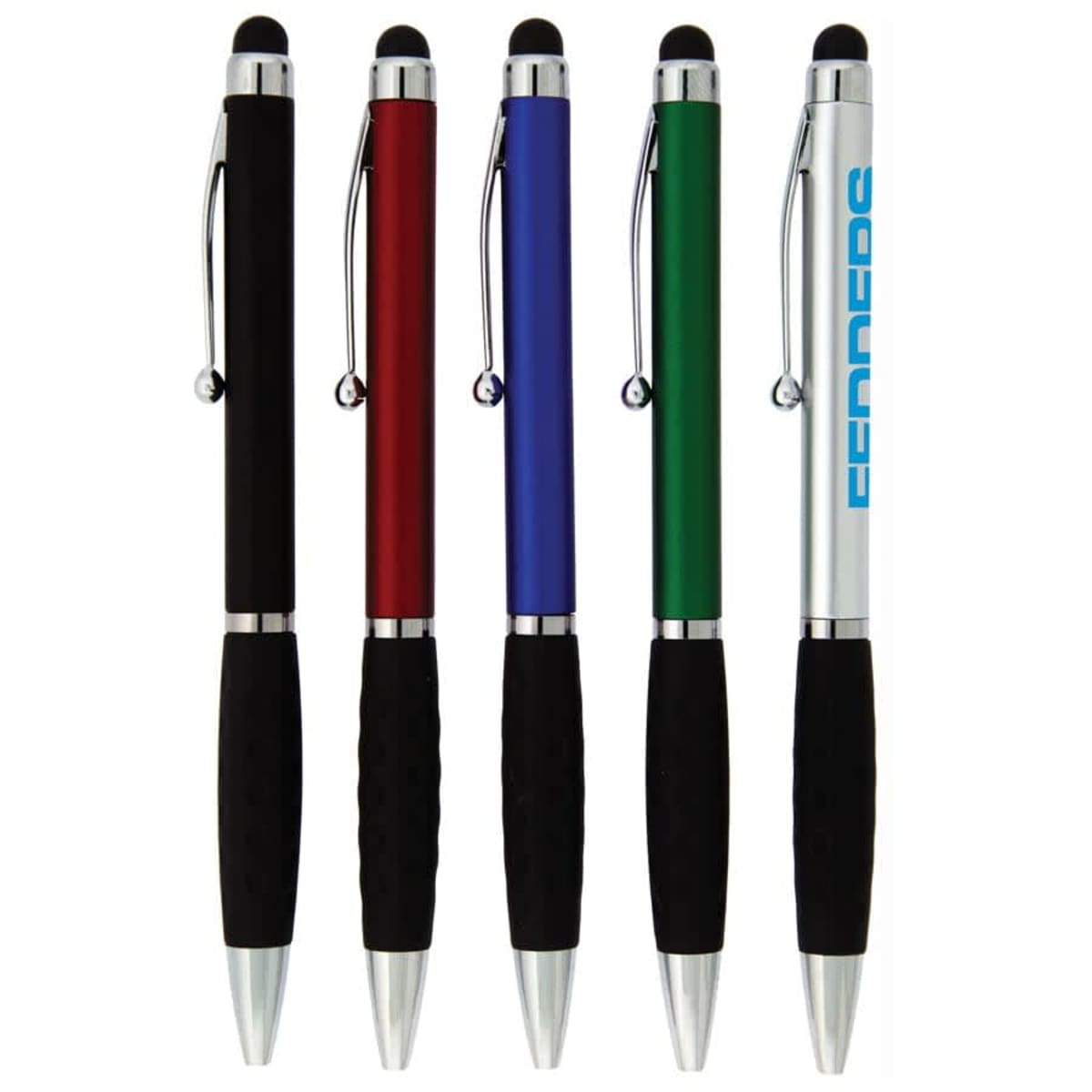
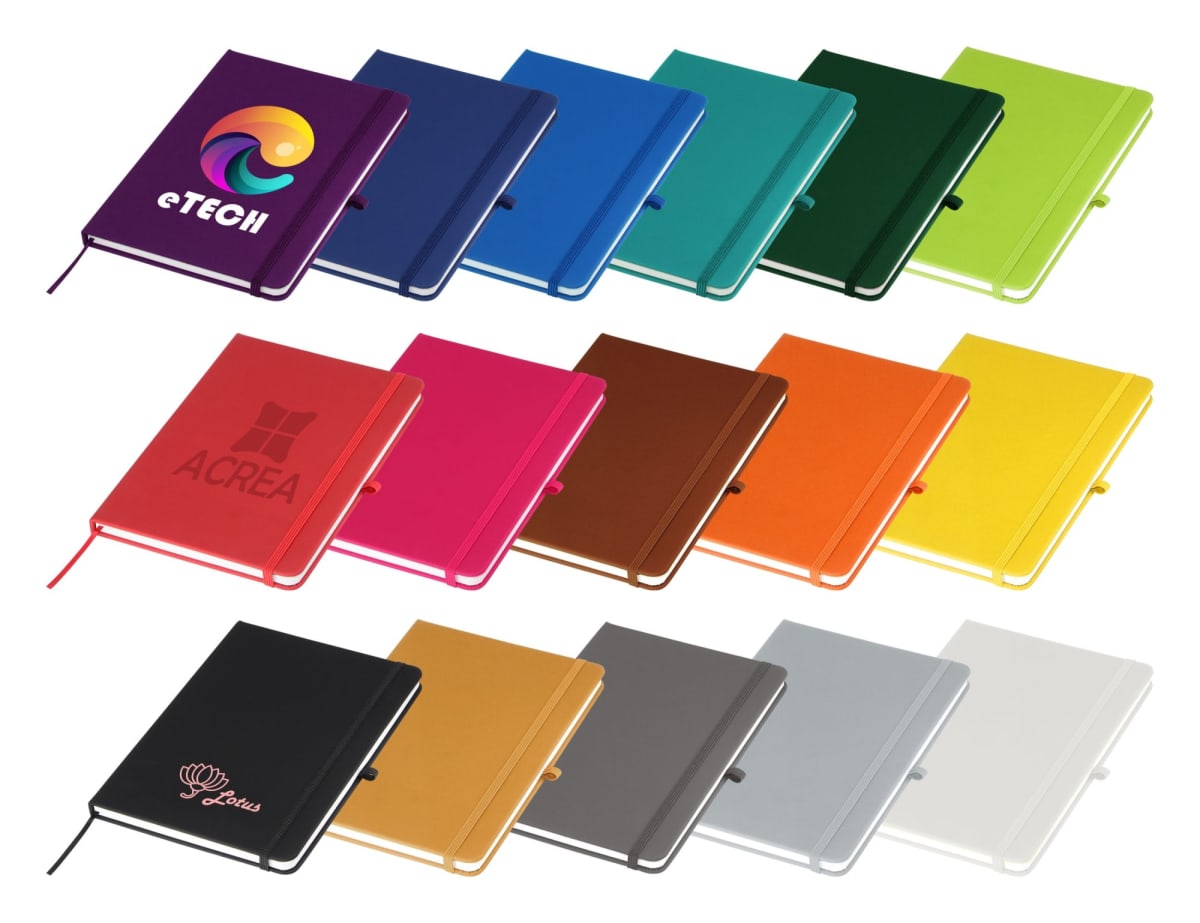
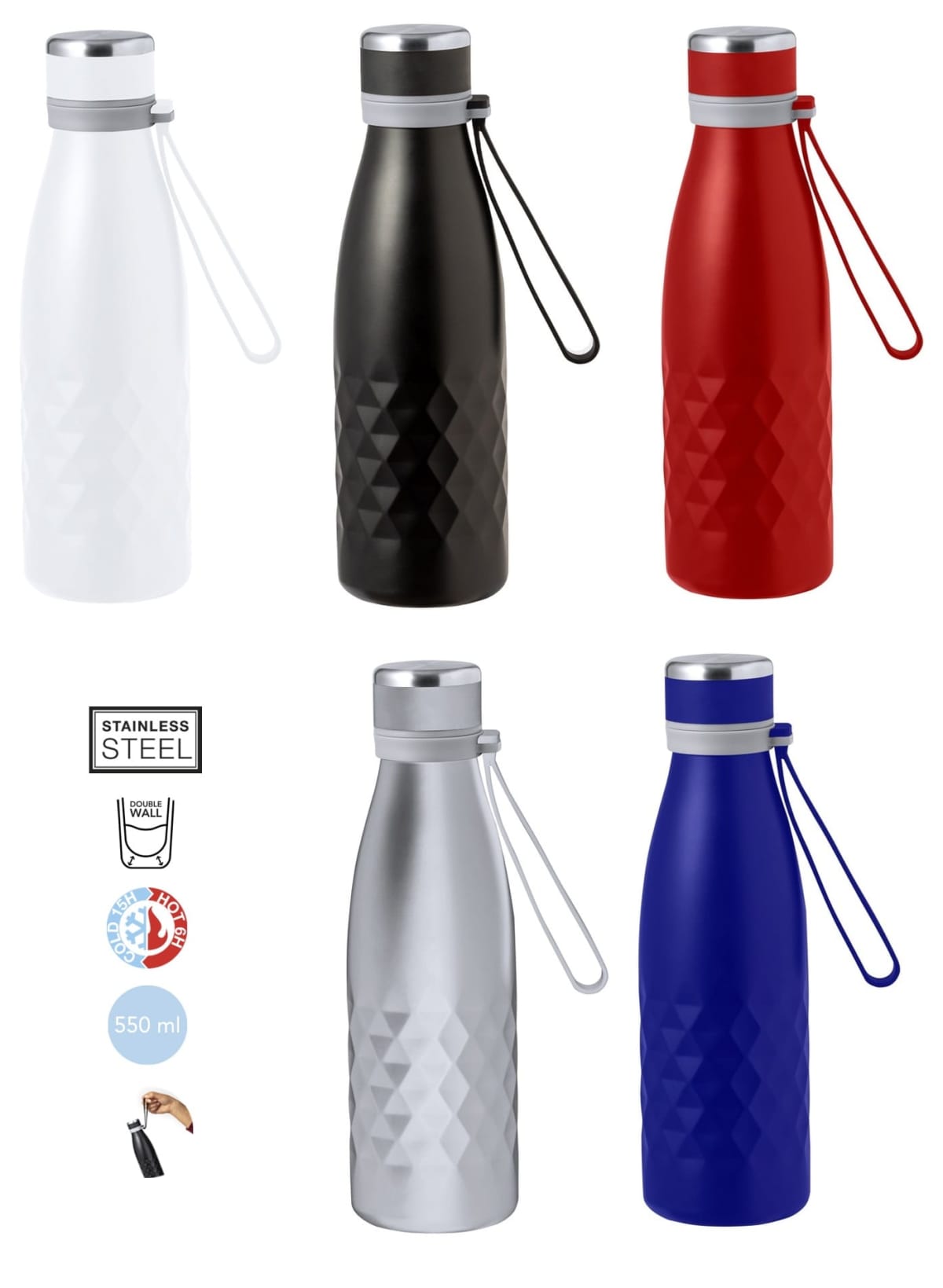
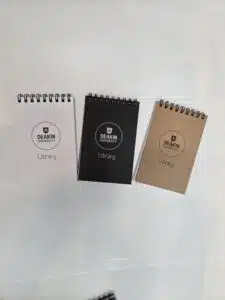
- Something physical that visitors take with them. Bulk-ordered giveaways solve this problem by giving students a reason to remember your booth after they’ve walked past 40 others.
- Something that helps your own team look organised. Matching polos from a custom apparel range solves this, because a recruiter in generic corporate wear is invisible next to a booth where every staff member is dressed the same way.
How many giveaway items should we order for a careers fair?
Base it on realistic foot traffic, not total student enrolment. A mid-size university careers fair sees a few thousand students across the day, but only a fraction stop at any single booth — usually somewhere between 150 and 400 genuine conversations for a well-positioned stand. Order for the conversations, not the campus population, and keep 10-15% in reserve for a fair that runs longer than expected. Running out by lunchtime looks worse than having a few left over.
What’s the biggest mistake graduate employers make with fair merchandise?
Two mistakes show up again and again:
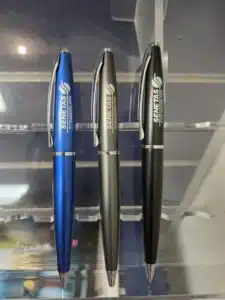
- Ordering the same generic pen as every other booth on the floor. Pens are fine as a backup item, but if it’s the only thing on your table, you’ve made yourself forgettable in the one setting where standing out is the entire point.
- Ignoring your own staff’s presentation. A booth can have the best banner on the floor, but if the recruiters staffing it are in mismatched jumpers, the whole thing looks thrown together.
Should we order the same merchandise every year?
Not without reviewing it. Course intake changes, campus locations rotate, and what performed well two years ago might not fit this year’s cohort or your current employer branding. Mary’s approach is to revisit the plan for each event rather than reordering blind — what works for an engineering careers fair audience isn’t necessarily what lands with a business school crowd. Lead times matter too: confirm your fair dates early, because bulk-branded stock takes longer to produce than a same-week print run, and student events don’t move for a supplier running late.

Giveaways To Order
What we advise
A brochure only has to compete with the other brochures on the table; a booth that pairs a banner people notice from across the hall, a giveaway they actually use, and a team dressed to match doesn’t have to compete at all — it just gets noticed. Cubic Promote has helped Australian recruiters and campus events teams get this right since 2005, from Google to Sydney University, and the businesses that get the best return aren’t the ones spending the most on the day — they’re the ones spending on the right three things, ordered early enough to actually turn up.
Ready To Buy?