How Sublimation Printing Creates Full-Colour Branded Items
Have you been to sporting events, like a basketball game, and wondered how the jersey names and designs were customised for a specific team? Edge-to-edge colour printing, also known as sublimation, is the branding method used for that. In this blog, we explain how the process works and how it creates full-colour prints on items such as jerseys and corporate uniforms.
What Actually Is Sublimation Printing?
When I explain sublimation to clients who are new to the process, I usually keep it simple. Sublimation uses heat to turn specially formulated ink into a gas, which then bonds directly with the fibres of a suitable material.
Instead of sitting on top of the product like traditional printing, the colour becomes part of the material itself. This creates a smooth finish without the raised, plastic-like feel you might get from some other printing methods.
For me, that is one of the biggest advantages of sublimation. We are not simply adding a design to the surface. We are creating a finish that feels like it is part of the product. This combination of vibrant colour, detailed artwork and a smooth finish makes sublimation a popular choice for businesses that want branded merchandise people will notice and remember.
How I Walk Clients Through the Process
When I explain how a design becomes a finished product, I outline the process as follows:
- I prepare the artwork digitally and adjust it for the specific product.
- The design is printed with sublimation ink onto transfer paper.
- I position the transfer carefully onto the product.
- Heat and pressure turn the ink into a gas.
- The gas bonds with the product.
The process is straightforward, yet the results continue to impress me with each completed product.
What I Felt When Using Sublimated Merchandise
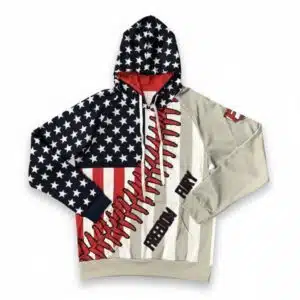
As someone with access to our Sydney showroom, I have seen and felt how a sublimated shirt differs from a standard printed product. There are no raised edges or stiff patches. It feels as though the product was made with the design already built into it.
When I Recommend It
If a design includes gradients, photographic detail or multiple colours, I typically recommend sublimation. Unlike some other methods, additional colours do not increase the cost. Sublimation is ideal for:
- Bold, saturated colour
- Fine detail and photo-style imagery
- Smooth gradients
- Multi-colour logos
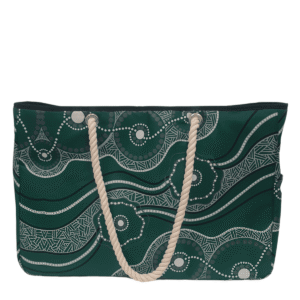
- All-over, edge-to-edge designs
Sublimation is not suitable for every product. I always select the method based on the material, artwork and intended use.
Where I’ve Seen It Shine
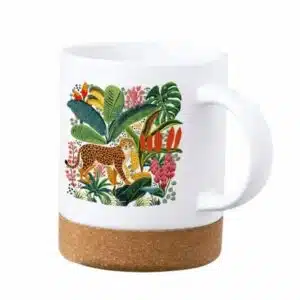
- Custom apparel made from polyester and polyester blends
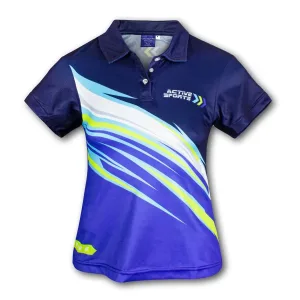
- Sportswear and team uniforms
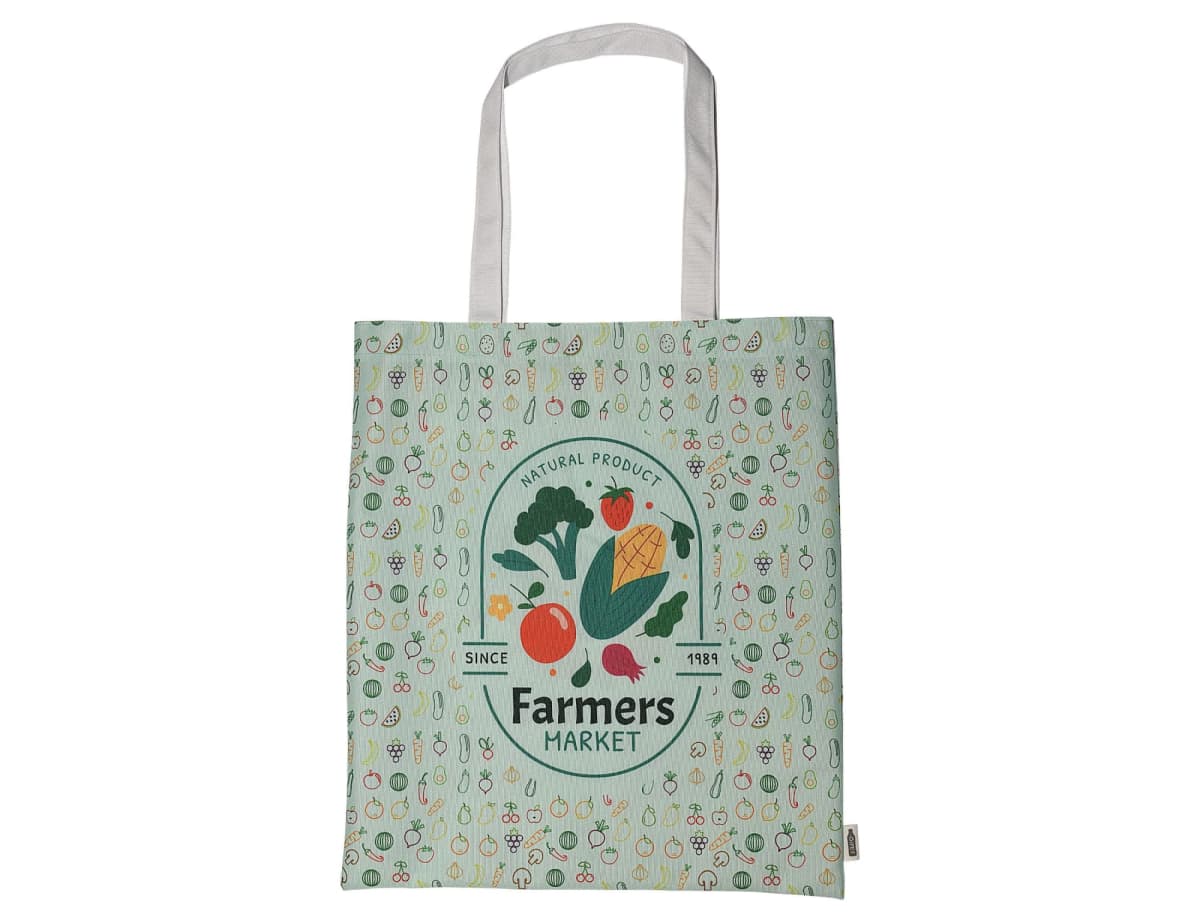
- Tote bags
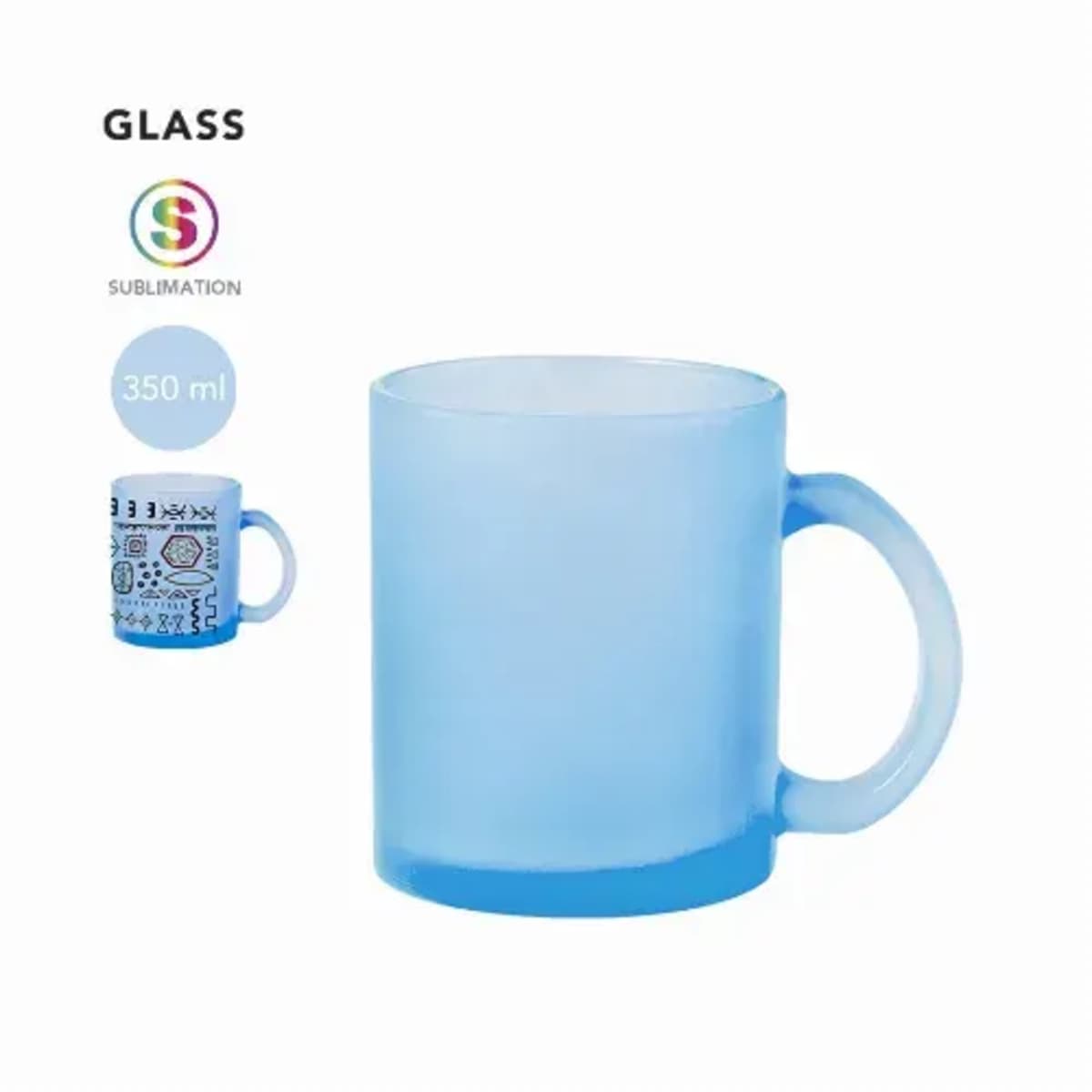
- Mugs and drinkware
- Event merchandise
I always remind clients that sublimation works best on polyester, while cotton is better suited to other printing methods.
Our full-colour sublimation lanyards are a good example of how vibrant, detailed branding can stand out on smaller items. As Ariane Milarpez, one of our account managers at Cubic Promote, explains, matching the right product and design before production is key. That early collaboration helps ensure the final product delivers what the client envisioned.
How I Compare Sublimation to the Alternatives
No single method is best for every situation. I provide honest recommendations based on the product, artwork and intended use rather than pushing one method for every order.
What I Check Before Any Order Goes Ahead
When I handle an order using sublimation, I double-check the following details:
- Is the artwork high resolution?
- Do the colours match the brand guidelines?
- Is the chosen product suitable for sublimation?
- Should the client request a sample first? I recommend this for larger orders.
Why I Think You Should Come to Us for It
If you are ready to turn your designs into vibrant, full-colour merchandise, explore our sublimation-ready products and place your order today. Have questions? Get in touch with the team and we will help you find the right fit for your design, budget and brand.
Ready To Buy?