Ways to Generate Leads at Industry Events Without a Big Budget
Key Points
- Smaller businesses can generate strong event leads through preparation, genuine conversations, and practical branded merchandise.
- Useful giveaways like notebooks, tote bags, drink bottles, and pens often create better long-term brand recall than cheap novelty items.
- We recommend focusing on clear messaging, fast follow-ups, and audience-relevant products instead of trying to compete through bigger budgets alone.
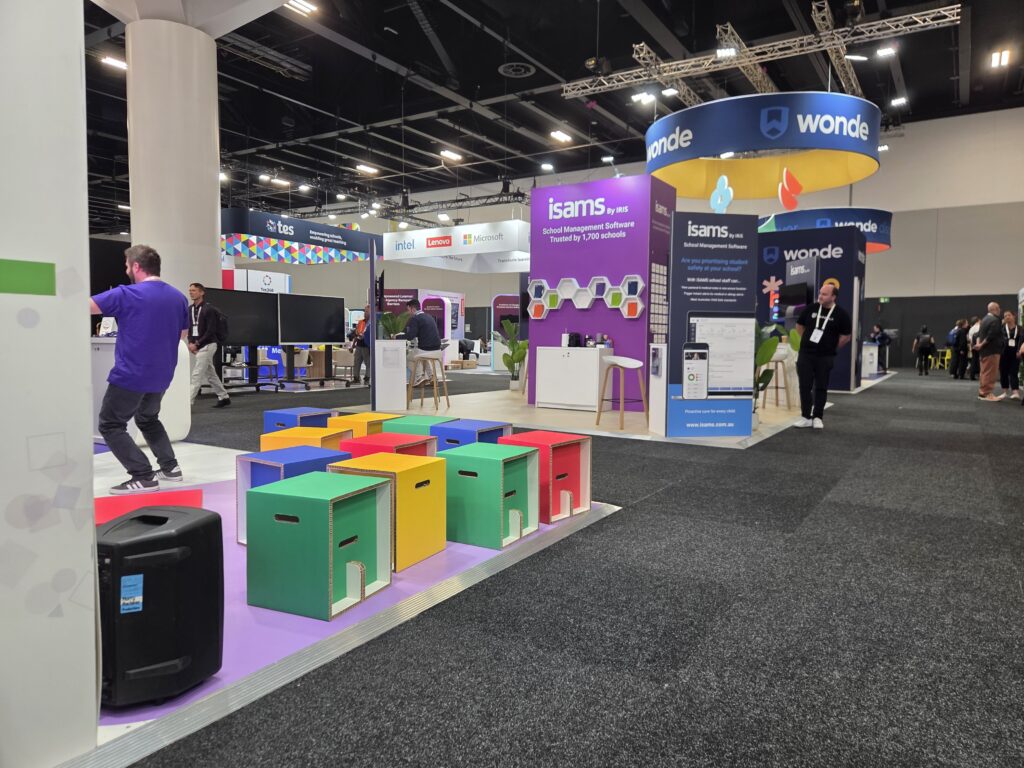
Attending industry events is a great way to generate new leads for clients. I’ve seen our account managers get much busier after every big event because they need to follow up and close deals. But how can you boost your marketing at these events without spending too much? That’s why we put together this blog to share:
- Practical ways to generate leads at industry events
- How can smaller businesses compete with larger exhibitors?
- Budget-friendly event marketing ideas
- Mistakes businesses make at conferences and expos
- How merch supports lead generation naturally
- Insights from our Cubic Promote account managers
You Do Not Need the Biggest Booth to Get Attention
A lot of people believe that spending the most at trade shows brings the best results, but that’s not always true. Large stands might grab attention at first, but visitors quickly decide if they want to talk to the team. Often, smaller businesses do better than bigger ones because:
- Staff are more approachable.
- Conversations feel more genuine.
- Messaging is clearer
- interactions feel less scripted
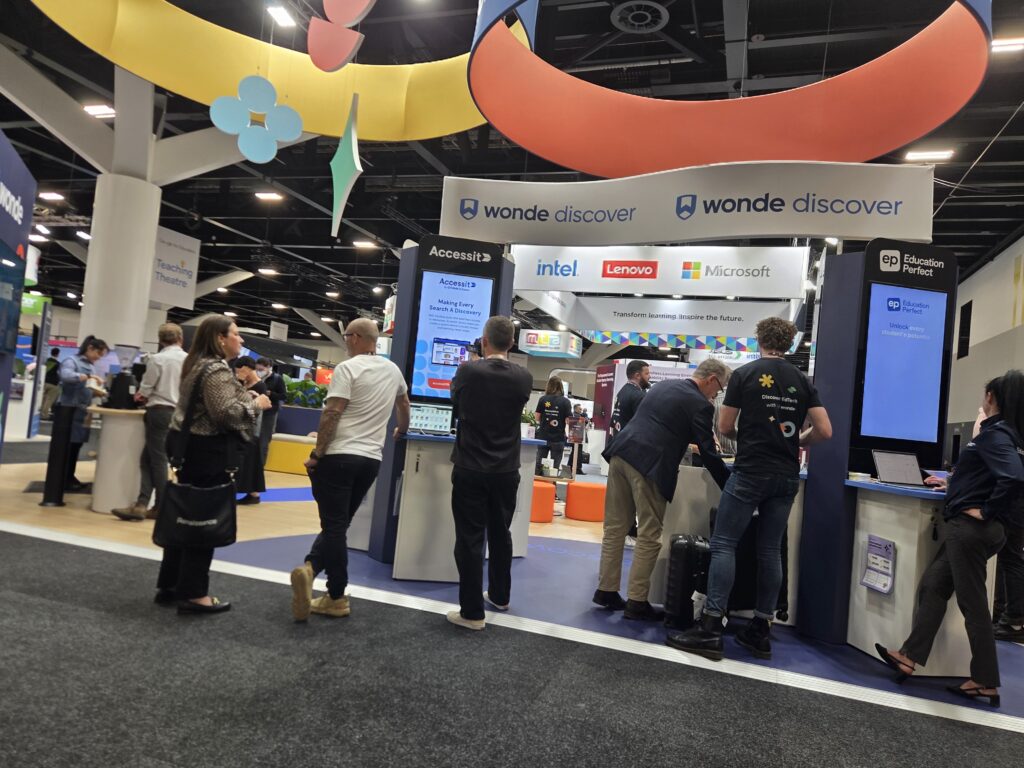
People usually remember a good conversation more than a big banner. This matters a lot for Australian businesses at trade expos, conferences, universities, and community events. When you share useful information, attendees feel informed. Keeping things simple is often more effective than trying to impress everyone.
Preparation Matters More Than Budget
Some businesses wait until the last minute to prepare for events. This often means rushing to organise products, booth designs, and using generic marketing materials. The best lead generation usually starts weeks before the event. Preparation should include:
- identifying target attendees
- researching exhibitors
- booking meetings early
- preparing follow-up systems
- training staff properly
- organising practical merchandise
For me, logistics and preparation matter more than most people realise, since even small delays can impact the whole event. She also said that good coordination is key, especially when time is tight. Planning ahead is even more important for businesses going to multi-day conferences or national events.
Focus on Starting Conversations
Many businesses make the mistake of focusing only on collecting contact details. However, attendees are constantly approached by businesses asking for:
- scans
- emails
- registrations
- surveys
- sign-ups
After a while, all those requests start to blend together. Instead of trying to collect leads right away, focus on starting helpful conversations first. This could involve:
- asking about industry challenges
- discussing trends
- offering practical advice
- demonstrating products
- sharing useful insights
People remember businesses that help them, not those that start selling right away.
Practical Giveaways Usually Perform Better
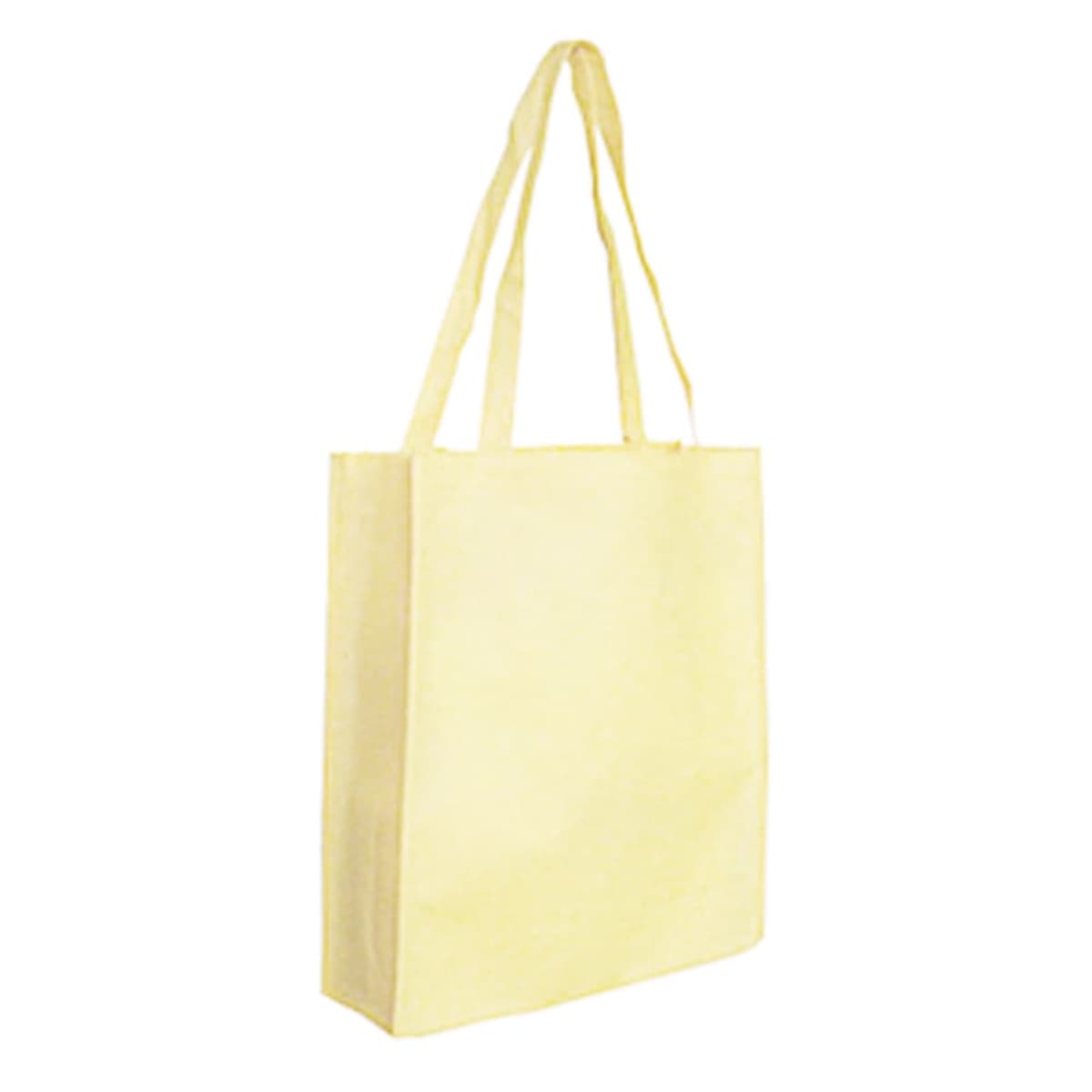
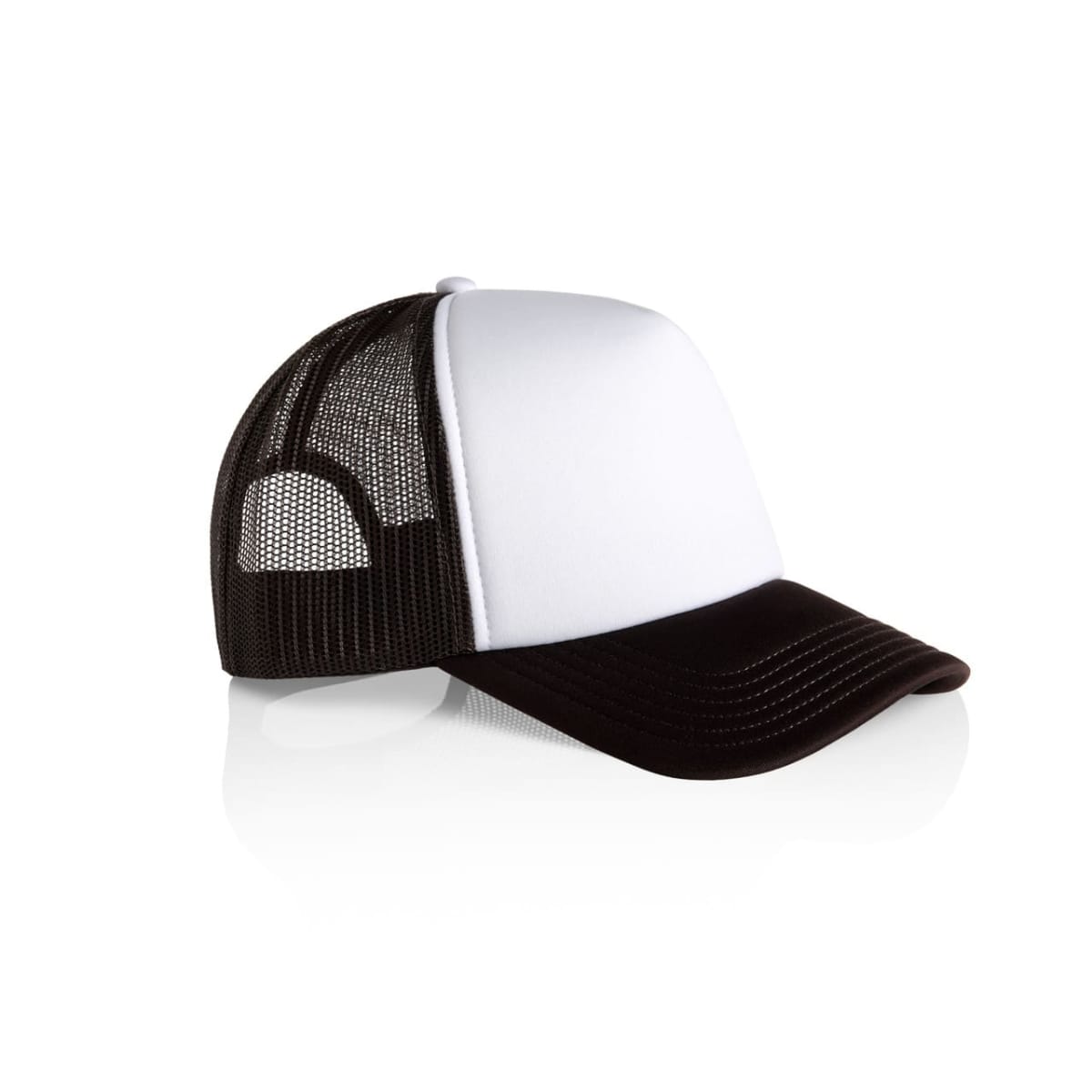
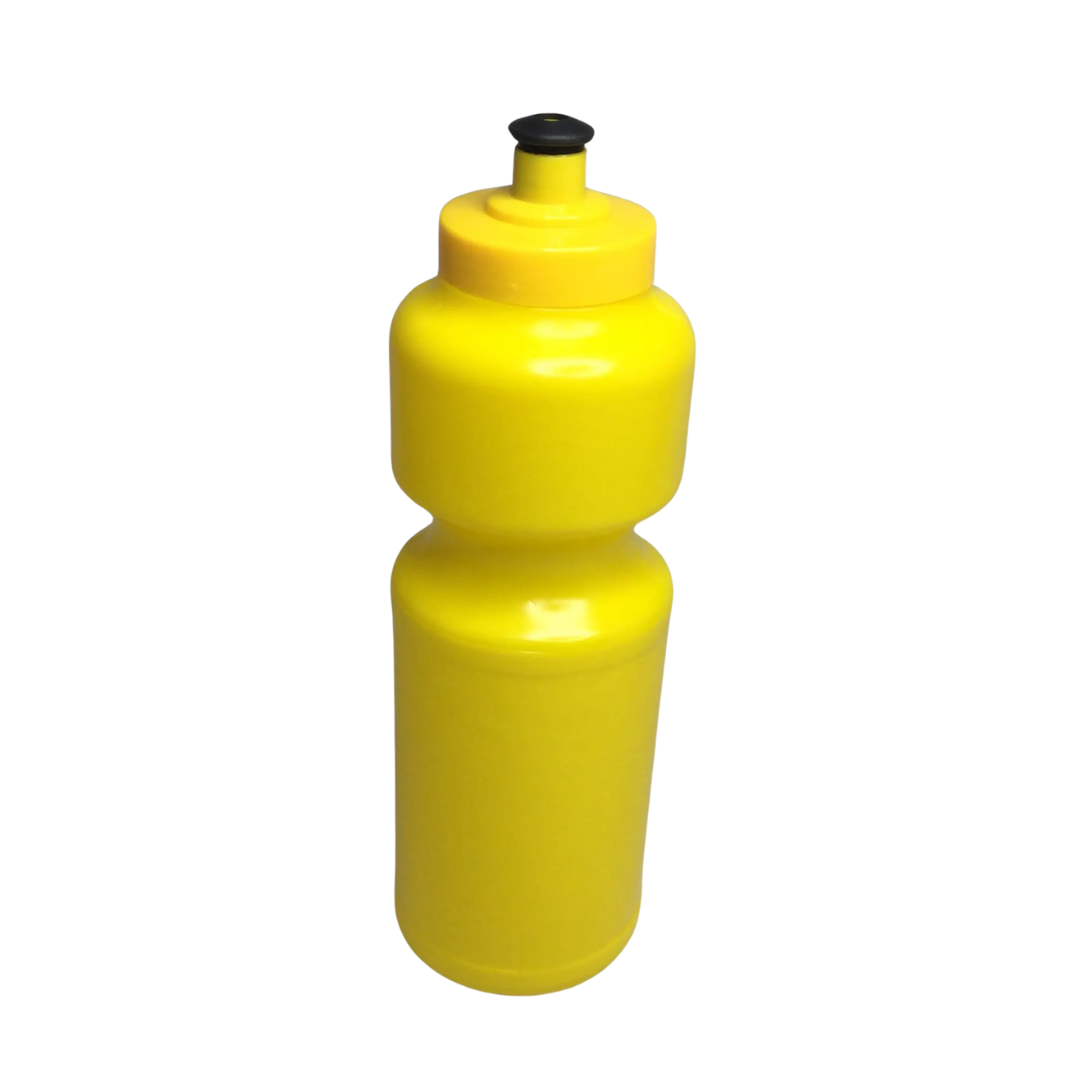
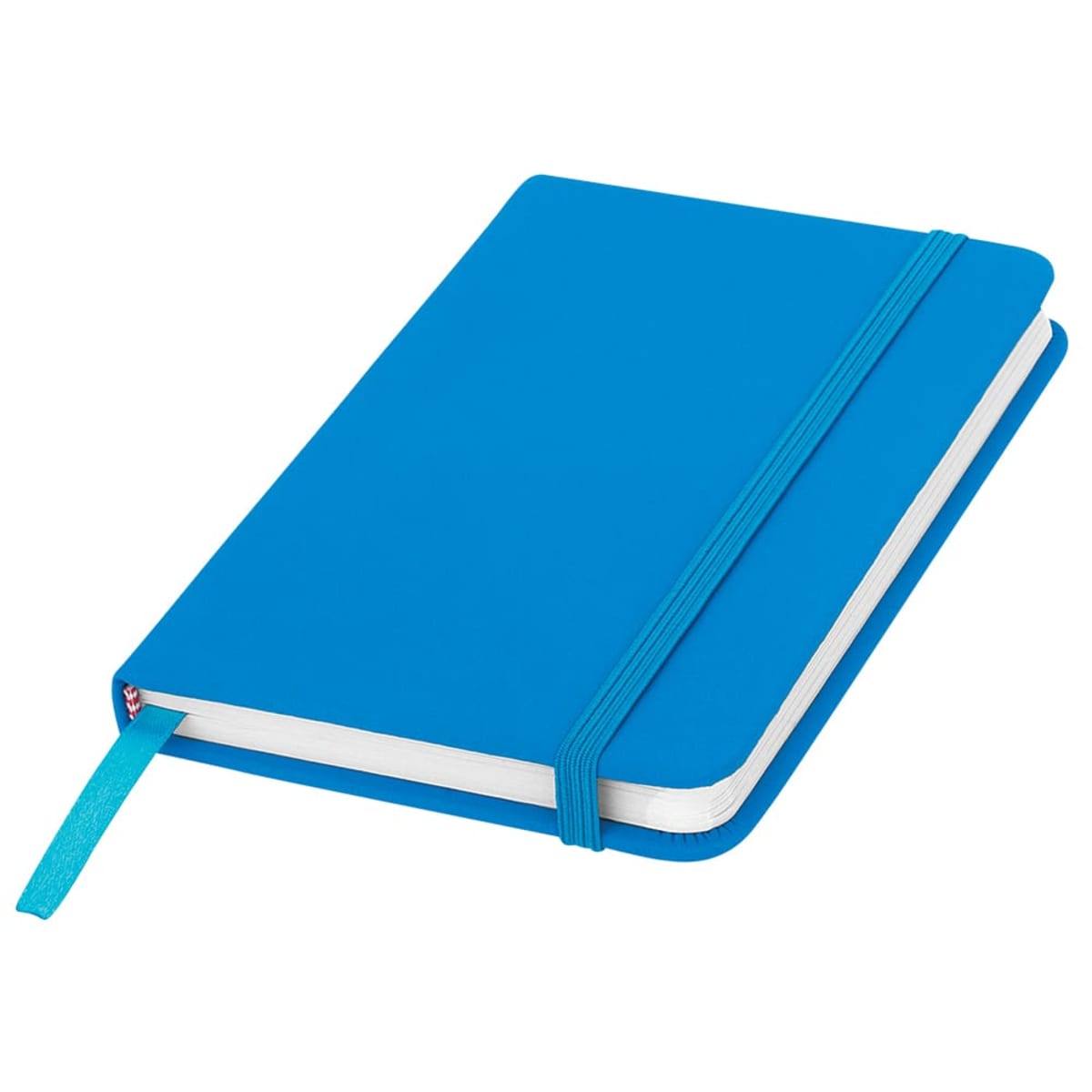
Branded giveaways can be a great support for event marketing when you choose the right items. The problem is that many businesses choose products purely on cost rather than usefulness. Cheap novelty items often get tossed right after events, but useful products tend to stick around much longer. Some of the most effective budget-friendly items include:
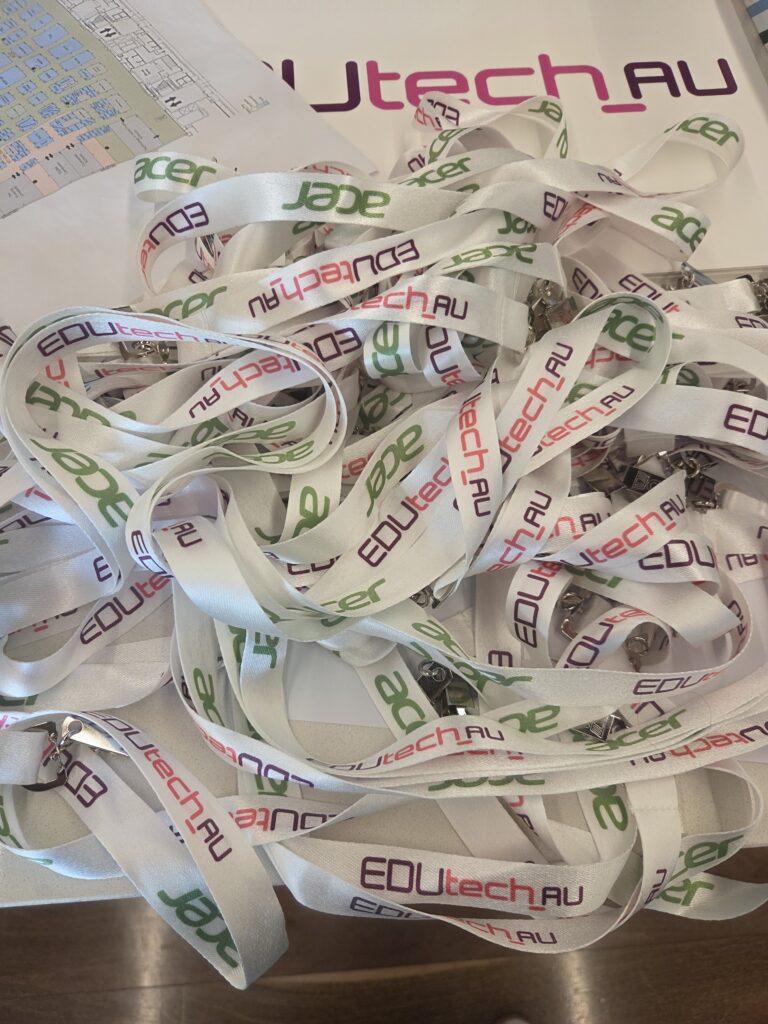
These products work well because people use them in their daily lives. I asked Mary Aguirre, one of our account managers, about which products attendees tend to keep after conferences and expos. Mary mentioned that practical products like notebooks, drink bottles, and apparel usually perform best because people naturally continue using them after the event ends.
Giveaways Should Support the Brand
One common mistake businesses make is choosing random giveaway products that have no connection to their audience or brand identity. For example:
- Tech companies often benefit from practical desk accessories.
- outdoor events may suit sunscreen or reusable bottles
- Corporate conferences usually suit notebooks or premium pens.
- University events often perform well with tote bags and drinkware.
The items fit the event where they’re handed out. I asked Charles Liu what usually helps branded merchandise stand out at events. Charles explained that understanding how and where products will actually be used makes a major difference when recommending merchandise. He also mentioned that practical outdoor products often perform strongly at public-facing events because people continue using them afterwards. When people keep using a product, your brand gets seen again and again.
Build Brand Recall Instead of Chasing Immediate Sales
Not every lead converts immediately after an event. Some attendees may not need your services until:
- months later
- the next budget cycle
- an upcoming campaign
- future projects
That’s why it’s important for people to remember your brand over time. A useful item on someone’s desk weeks later can keep your brand in their mind. Unlike digital ads that disappear quickly, physical products keep your brand visible long after the event.
Follow Up Quickly While Conversations Are Fresh
Many businesses lose opportunities because they wait too long after events to reconnect. By the time follow-up emails are sent:
- attendees have returned to work
- Inboxes are overloaded
- Conversations are forgotten
It’s best to follow up soon while people still remember your conversation. Good follow-up can include personal emails, LinkedIn connections, helpful resources, proposals, product suggestions, and thank-you notes. The more personal and specific you are, the better your response will be.
Use Existing Clients at Events
Industry events are not only for finding completely new leads. They are also excellent opportunities to strengthen existing relationships. Current clients can become:
- referral sources
- advocates
- repeat buyers
- collaborators
Avoid Trying to Appeal to Everyone
One of the biggest event marketing mistakes is trying to attract every attendee equally. Businesses usually generate stronger leads when they clearly understand:
- who their ideal audience is
- What problems do they solve?
- Which conversations matter most
What I Advise?
You don’t need the biggest stand, the largest sponsorship, or the most expensive setup to generate leads at industry events. Merchandise works best when it supports real conversations, not when it replaces them. A thoughtful product helps people remember your business after the event, especially when paired with good communication and meaningful talks. In the end, great event marketing isn’t about having the biggest budget. It’s about creating experiences people remember.
Ready To Buy?