What Government Teams Order for Awareness Campaigns?
Last Updated: 17 June 2026
Key Points
- Awareness campaigns work best with simple, practical items like pens and tote bags that people take easily and continue using after the event.
- We suggest matching the product to the campaign message so items feel relevant and are more likely to be kept and noticed.
- Cubic Promote helps government teams choose cost-effective items in bulk that maximise reach while staying easy to distribute and use.
When government teams run awareness campaigns, the main goal is to make sure the message is seen and remembered. In our experience, the items chosen are picked for their reach, usefulness, and how well they share the message. It’s not about choosing flashy products, but about picking things people will actually take, keep, and use.
What Makes an Item Work for Awareness Campaigns?
Before picking products, we always consider how the campaign will be carried out. Most awareness campaigns take place in public spaces, at events, or through outreach programs. So, items should be simple to hand out and easy for people to understand.
- Simple to use
- Easy to carry
- Clear space for messaging
If an item is too complicated, people usually won’t use it.
The Most Common Items Used
In many government campaigns, the same types of products show up again and again.
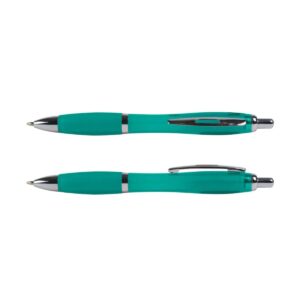
- Pens
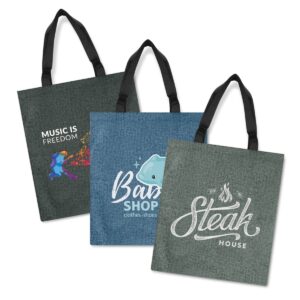
- Tote bags
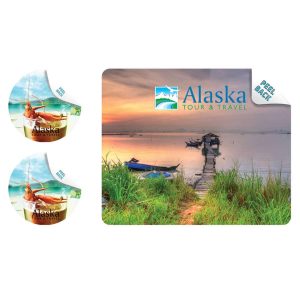
- Flyers with attached items
- Wristbands
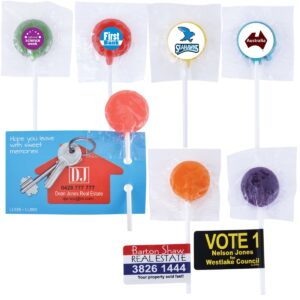
- Stickers
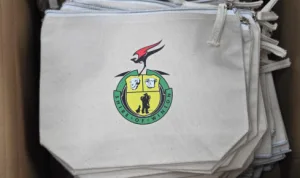
These items work well because people already know how to use them. They don’t need instructions—they just take them and go.
Everyday Items That Carry the Message
The best products are the ones people keep using after the event. Pens are still a top choice because people grab them quickly and use them often. Tote bags are another good option since people use them for shopping or carrying things, so the message stays visible. Our account managers usually recommend choosing items that fit into daily life, since that’s how awareness grows over time.
Wearable Items for Visibility
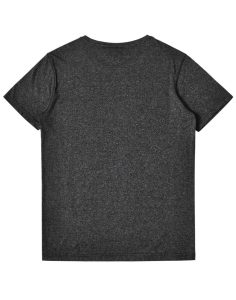
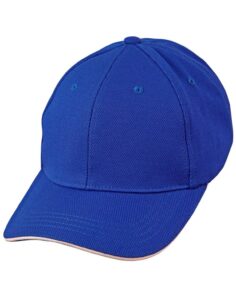
Wearable items help spread the message even more. When someone wears a shirt or a cap they got from a seminar you hosted, the message is likely to spread across. Plus, the recipient can wear them again. This means more exposure for your brand. Some of the best items are:
- Wristbands
- Caps
- T-shirts
These are common in health campaigns, community programs, and public events. They work best when the message is short and clear. If it’s too wordy, it gets ignored.
Practical Giveaways That Get Kept
Some campaigns give out items that help with small, everyday problems. These are more likely to be used for a long time.
- Hand sanitisers
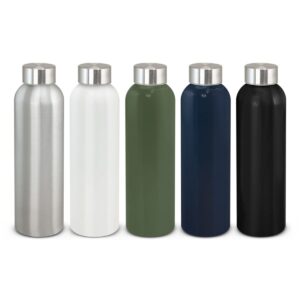
- Reusable water bottles
- Sunscreen packs
- Lip balm
These items are especially common in health and safety campaigns. When the item matches the message, it feels more relevant to people.
Printed Items Still Play a Role
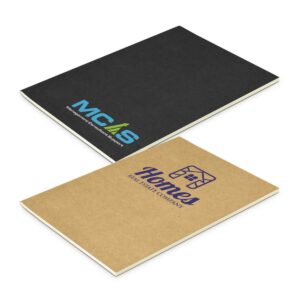
Printed materials are still widely used, but they work better when paired with a physical element. Alice Borja, one of our account managers, remembers a client ordering printed flyers for an awareness campaign. While Alice thought the flyers were great, she suggested ordering branded sticky notes to go with them. When you combine flyers with small items like sticky notes or a pen, they’re more likely to be kept. We’ve seen better results when printed materials are attached to something useful, even something as simple as a pen or sticker.
What Works Best in Bulk
Government campaigns often need a lot of items, so it’s important to pick products that are easy to order in bulk.
Matching Items to Campaign Type
Different campaigns call for different products. We always match the item to the message. For health campaigns, practical items like sanitiser or water bottles make sense. For environmental campaigns, reusable items like tote bags are more effective.
- Health: Go for hand sanitiser, reusable bottles, tissue packs
- Environment: Tote bags (jute = highly recommended), reusable drink bottles
- Community: Choose pens, stickers, and other family-friendly merch
Merch We Supplied for Awareness Campaigns
If you need more ideas on how you can spread your awareness message across Australia, we gathered some of the government awareness campaigns we’ve worked with:
- NSW Bushfire & Natural Hazards Research Centre
- NSW Government – Bike Week
- Lifeline Regional SA and Far West NSW
How We Usually Guide Government Teams?
When we work with government clients, we focus on what matters most. First, we check where the campaign will take place. Then we think about how people will use the item.
- Keep the product simple.
- Make sure it fits the message.
- Choose items that people already use.
When launching awareness campaigns, the goal is not just to give away merch but to make people remember your cause through the merch. They’re about getting a message to stick. From what we’ve seen, the best results come from simple, practical items that people keep using. If the product stays in someone’s routine, the message stays with it. When planning in bulk, focus on usefulness and relevance.
Ready To Buy?