
Only 1 in 5 Australians Prefer More Cheap Giveaways: What People Really Want From Promotional Products
Promotional products are often compared by price, but our 2026 survey suggests Australians care more about whether they can actually use the item.
In our online survey of 200 Australian promotional product consumers, 76% said receiving a useful, branded product would make them feel more positively about the organisation that gave it to them. Only 1.5% said it would make them feel more negative.
Cubic Promote’s survey looked at three parts of the promotional products experience: what businesses consider when choosing products, what they expect from suppliers, and what recipients want to receive and keep.
Across all three areas, usefulness, quality and reliable service mattered more than simply finding the cheapest promotional item.
Key Findings from Our Online Promotional Products Survey
The results highlight several clear trends:
- Usefulness matters more than simply choosing the cheapest product.
- Quality can affect how long someone keeps and uses branded merchandise.
- Businesses expect promotional product suppliers to deliver their orders reliably.
- Practical products are more likely to stay with recipients.
- Useful, branded merchandise can improve how people feel about a company.
Australians Put Usefulness Ahead of Price
We asked respondents what mattered most when choosing promotional products.
Almost half chose usefulness, while price ranked last.
This does not mean businesses should ignore their budget. Instead, they should consider whether recipients will actually use the product before choosing an item based solely on its unit price.
Our account managers follow the same approach when recommending promotional merchandise.
Cubic Promote founder Charles Liu says clients get better recommendations when they explain what they want to achieve. He uses information about the audience, purpose, and budget to narrow down suitable products. His experience with branding methods also helps him recommend a decoration technique that suits the item and logo.
Businesses Should Choose Products Based on How They Will Be Used
Before selecting promotional merchandise, businesses should consider:
- Who will receive the product?
- Where will they use it?
- What does the campaign need to achieve?
- How much can the business spend per recipient?
- Which branding method will suit the logo and product?
These answers can lead to very different product choices.
For example, promotional pens may work well when a business needs thousands of affordable giveaways for a conference. Premium drinkware may suit a smaller group of employees, clients or event guests.
Australians Rate Drinkware as the Best-Value Promotional Product
We also asked respondents which promotional product categories offered the best value.
Drinkware ranked first, followed by promotional pens and branded bags.
These products share one important feature: people can use them regularly.
- Promotional drink bottles can be used at work, in the car, or at the gym.
- Branded tote bags can be reused for shopping, work, and everyday errands.
- Promotional pens have a clear function at desks, meetings, and events.
- Notebooks can stay in use for months.
- Branded apparel can become part of someone’s regular wardrobe.
- Charging accessories can solve an everyday problem when a phone or device runs low on power.
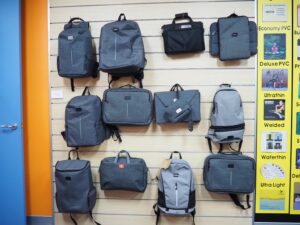
Mary Aguirre-Cruz uses a similar approach when recommending products to Cubic Promote clients. She focuses on finding merchandise that matches the client’s branding, budget and purpose.
Her own product preferences also reflect the online survey results. She likes drinkware, notebooks, pens, and comfortable apparel because she uses them regularly in her daily life.
Most Australians Don’t Automatically Prefer More Cheap Giveaways
We asked respondents whether they would prefer to distribute fewer premium products or more inexpensive promotional products.
Only 1 in 5 respondents preferred simply distributing more low-cost merchandise.
The largest group said the right approach depends on the campaign.
That makes sense because different promotional products serve different purposes.
Lower-Cost Promotional Products Work Well When Businesses Need Wider Reach
Affordable products can suit:
- Exhibitions and trade shows
- University open days
- Community events
- Conferences
- Large awareness campaigns
- Public giveaways
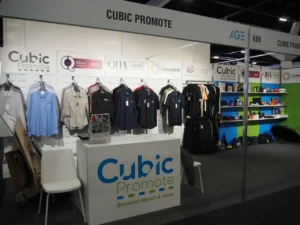
Promotional pens, tote bags and lanyards allow organisations to distribute merchandise to a large audience without incurring high per-recipient costs.
Premium Merchandise Works Better for Smaller, Higher-Value Audiences
Higher-value promotional products can suit:
- Client appreciation programs
- Employee gifts
- Executive gifts
- Staff onboarding packs
- Sales incentives
- VIP events
Businesses should therefore ask which product best suits the audience and campaign, rather than assuming that cheap or premium merchandise will always perform better.
Nearly 60% Keep Promotional Products Because They Are Useful
The recipient part of the online survey produced one of the clearest findings.
Nearly 60% said usefulness would be the main reason they kept the item.
This gives marketers a simple question to ask before ordering merchandise:
Will the recipient still have a reason to use this product after the event or campaign ends?
Products with a clear everyday purpose include:
- Reusable drink bottles
- Tote bags and backpacks
- Promotional pens
- Branded notebooks
- Charging cables and power banks
- T-shirts, hoodies and other useful apparel
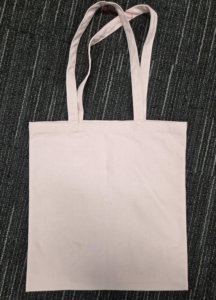
Shealeigh Keeney’s own merchandise preferences follow the same pattern. She would choose a coffee mug, a power bank, and a notebook because she can use each product in her daily routine.
Drinkware Was Also the Most Memorable Promotional Product
Our open-ended question asked respondents about the best promotional product they had received.
When respondents explained why they kept the item:
- 49% mentioned everyday usefulness.
- 31.5% mentioned quality or durability.
- 10% mentioned the item’s perceived value.
- 9.5% mentioned its design.
These results suggest that a promotional product need not be unusual to become memorable.
A product can stand out simply because the recipient finds it useful enough to keep using.
Businesses Value Reliable Promotional Products Suppliers Over Low Prices
We also asked what matters most when choosing a promotional products supplier.
More than half chose service and reliability.
Only 23% said price mattered most.
Delivery reliability became even more important when we asked whether respondents would pay slightly more for faster or more reliable delivery.
- 51.5% said yes.
- 32.5% said maybe.
- 16% said no.
Together, 84% would pay more or at least consider paying more for greater delivery certainty.
This matters because promotional merchandise often has a fixed deadline.
Conference merchandise needs to arrive before the conference. Staff gifts need to arrive before the planned celebration. Event giveaways provide little value if they arrive after guests have gone home.
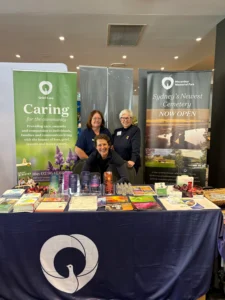
Cubic Promote General Manager Wendy Li specialises in this part of the process. Her strengths include logistics, coordination, and ensuring orders arrive on time. She also works closely with larger accounts and helps solve problems that may affect an order.
Late Delivery Is the Biggest Frustration When Ordering Promotional Products
Our final open-ended question asked respondents about the problems they had experienced when ordering promotional products.
Late delivery frustrated most customers when ordering promotional products.
Another 24.5% mentioned product or branding quality.
Together, 57% reported either late delivery or issues with the expected product or branding quality.
These results show why businesses need to consider more than just the product itself. A successful promotional merchandise order also depends on:
- Clear communication
- Accurate artwork
- Suitable branding methods
- Realistic production timelines
- Fast approvals
- Quality control
- Reliable delivery
Regina Mangubat focuses on these areas when working with Cubic Promote clients. She aims to find practical options that meet the client’s goals, budget, and timeline, while keeping communication clear throughout the process.
Businesses Can Use 4 Lessons From the Survey
- Businesses should choose promotional products that people will use: Useful merchandise is more likely to stay with the recipient and continue to display the brand.
- Businesses should not choose promotional products based on price alone: Usefulness and quality both ranked higher than price in our online survey.
- Businesses should match the promotional product to the campaign: Affordable giveaways can work well when reaching a large audience. Premium merchandise can be more effective when a business wants to make a stronger impression on a smaller group.
- Businesses should choose a supplier they can rely on: Delivery, communication and branding quality can determine whether the campaign succeeds.
Useful Promotional Products Can Improve How People Feel About a Brand
The strongest finding from our survey was about the company behind the merchandise.
76% of respondents said receiving a useful, branded product would make them feel more positively about the organisation that gave it to them.
This finding shows why businesses should treat promotional products as part of the customer or recipient experience rather than simply putting a logo on the cheapest available item.
A well-chosen product can communicate:
- Usefulness
- Quality
- Thoughtfulness
- Professionalism
- An understanding of the recipient
Our account managers consistently see the best results when clients explain their audience, purpose, budget, and timing before choosing a product.

Businesses do not need to find the cheapest, most expensive, or most unusual promotional product.
They need to choose a product that the recipient will want to keep and use.