Why Sales Reps Feel Unprepared Before an Important Pitch
Ask a sales rep why a pitch went sideways and they’ll usually blame nerves. Ask a few more questions, and it’s rarely nerves at all. It’s five smaller gaps that quietly stacked up before they even walked in the door. In this blog, we discuss why a sales rep feels unprepared and what items you need to have with you to feel prepared and ready to close a deal.

Why the Nerves Show Up in the First Place
As a promotional products supplier, we also pitch presentations across some of the biggest organisations in Australia. What often makes someone feel unprepared is:
How do you walk in prepared?
These are key tips that our business development manager, Anil Gupta, swears by:
- Research three layers deep: Know the client’s business, their direct competitors, and the wider trend affecting their industry right now. One of those three will come up.
- Build a one-page cheat sheet: Put key facts, likely objections, and your top three points onto a single page you can glance at five minutes before walking in.
- Prepare for the hardest question first: Whatever question you’re dreading, answer it before you walk in. Once that one is handled, everything else feels easier.
- Do a materials check the night before: Check business cards, printed materials, samples, and chargers. A five-minute check the night before prevents a scramble the next morning.

First Impressions Matter More Than Most Reps Think
A pitch isn’t just the words. It’s the folder the proposal comes out of, the pen the client signs with, and the sense that this rep has their act together.
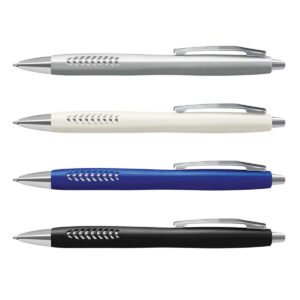
I’ve handed clients a branded portfolio and watched it register. It looks considered, not thrown together. A quality branded pen at the right moment does more for credibility than you’d expect. Even a custom-branded folder tells the client this was prepared for them, not printed ten minutes before the meeting.
None of that replaces solid research or product knowledge. I’ll always say that first. But when a rep has done the homework and walks in with polished materials too, that’s one less thing on their mind and one less variable to worry about the moment they walk through the door.
Useful Items to Bring to a Sales Pitch
What Mistakes You Should Avoid (Based on Experience)
- Overloading the pitch with every feature: Cramming in everything the product does buries the two or three points that actually matter to this client.
- Skipping the rehearsal because “I know this material”: Knowing the material and being able to deliver it smoothly under pressure are different skills. Rehearsal closes that gap.
- Bringing generic, unbranded materials: A plain folder or borrowed pen doesn’t necessarily hurt a pitch, but a professional, branded one can quietly strengthen the presentation.
- Not having an answer ready for the obvious objection: If you can predict the pushback, and most experienced reps can, prepare the answer in advance rather than improvising it live.
Walking In Ready
Here’s the thing I keep coming back to: feeling unprepared is rarely one big failure. It’s a handful of small gaps, thin research, a messy priority list, and no real routine, all landing on the same morning. Close them one at a time, and the nerves usually take care of themselves.
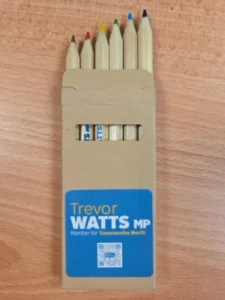
I’ve watched plenty of reps make that shift, and it’s genuinely one of my favourite parts of the job at Cubic Promote. Over 20 years, we’ve helped Australian sales teams pull together the branded portfolios, pens, and folders that make a pitch look as sharp as the rep behind it. If your team’s got a big one coming up and you want the finishing touches sorted, get in touch. We’d love to help you walk in ready.
Ready To Buy?