Why We’re More Careful About Calling Promotional Products “Eco-Friendly”?
Key Points
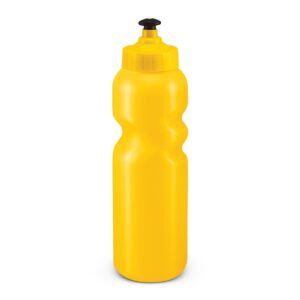
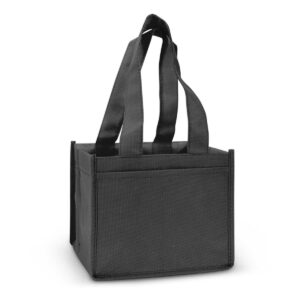
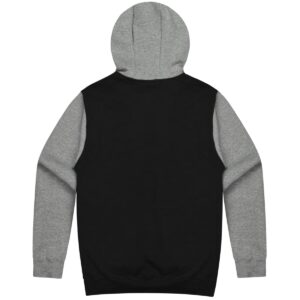
- Reusable products like drink bottles, tote bags, and hoodies often create less waste than short-term novelty giveaways.
- We’ve become more careful using the term “eco-friendly” because many products still contain mixed plastics or non-recyclable materials.
- Our account managers now focus more on product lifespan, recycled content, and realistic everyday reuse when recommending merchandise.
Our account managers have noticed that over the past few months, demand for eco-friendly merchandise has increased. As more businesses seek environmentally friendly products, we continue our research into various eco-friendly materials to ensure we recommend the best products. In this blog, we explain why some sustainability claims can be misleading, why reusable products are often more important than marketing labels, and what buyers should look for when choosing branded merchandise.
The Word “Eco-Friendly” Gets Used Very Broadly
We have noticed that environmental terms are often used loosely in the industry. When we spot an item that looks like it’s made of bamboo, our first thought is always: eco-friendly or sustainable. Often, there is little explanation to support these claims. For example, a product might include a small amount of recycled material but still use a lot of new plastic. Another item could have a bamboo exterior, but most of its internal parts are regular plastic. This does not mean the product is bad, but it does mean the environmental claim may be less significant than the marketing suggests.
Reusable Products Usually Make More Sense
We now focus more on whether a product will be used for a long time. A reusable product that people keep usually creates less waste than a poorly made “eco” item that is quickly thrown away. That is why products like these tend to make more practical sense:
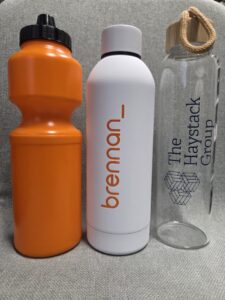
- Reusable drink bottles
- Tote bags
- Coffee cups
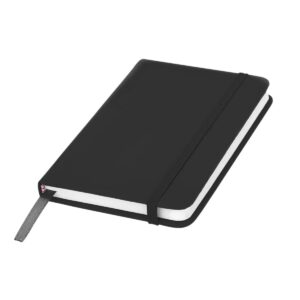
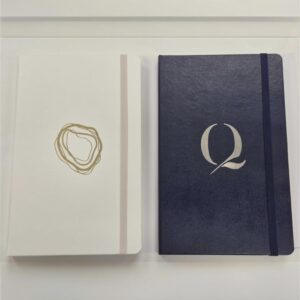
- Quality notebooks
- Durable apparel
On the other hand, some cheap novelty giveaways marketed as sustainable often end up as waste soon after events.
Clients Are Asking Better Questions Now
A few years ago, most buyers just asked if a product was eco-friendly. Now clients are asking more detailed questions like:
- Is the material recycled?
- Is the packaging recyclable?
- How long will this product last?
- Can people realistically reuse it?
- Where was it manufactured?
This is also what pushed us to continue learning and researching about what is eco-friendly. So we can educate our account managers. Katherine, one of our account managers, mentioned she usually receives questions like these from universities, government departments, and large procurement teams that want specific information rather than broad sustainability claims. This is likely good for the industry because it encourages suppliers to explain products more clearly.
Some Materials Sound Better Than They Actually Perform
There are certain materials that sound highly sustainable in marketing but become more complicated when you look more closely. Bamboo is one example. This material grows quickly and is often heavily promoted as eco-friendly. But many bamboo promotional products still contain:
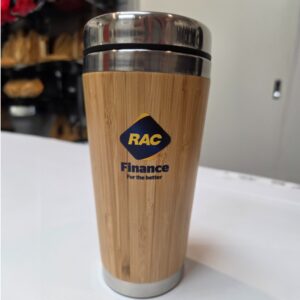
- Plastic internals
- Synthetic adhesives
- Mixed materials
- Non-recyclable components
The same applies to wheat-straw plastics, RPET blends, cork products, and recycled composites. This does not mean these materials are bad. It just means the sustainability story is often more complex than a short product description shows.
Event Merchandise
At big expos and conferences, it is common to see piles of discarded promotional products by the end of the event. Usually, the items abandoned first are:
- Cheap flyers
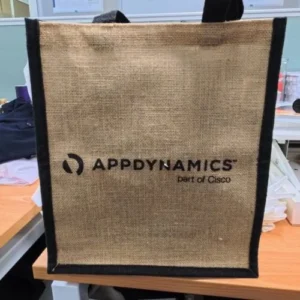
- Weak tote bags
- Plastic novelty items
- Low-quality pens
- Bulky brochures
Products that people use for longer are usually practical items that fit into daily life.
In our experience, usefulness often matters more than just having a sustainability message.
We Try to Be More Specific Now
Instead of calling everything eco-friendly, we now try to describe products more accurately. That usually means explaining:
- Recycled material content
- Product composition
- Reusable product categories
- FSC-certified paper
- RPET fabric usage
- Reduced plastic packaging
That approach gives buyers a clearer understanding of what they are actually ordering, rather than relying on vague environmental language.
How We Help Buyers?
We knew how crucial it is to keep our buyers informed about how “eco-friendly” a material is. That’s why when they decide on that, we make sure to give them a disclaimer. Cubic Promote is an expert at recommending which materials or items brands can order for their campaigns. We also have:
- Wide range of options for different materials
- Carbon-neutral processes
- All items are ethically sourced.
- Have discounts for bulk orders
Why We’ve Become More Careful With the Language?
The term “eco-friendly” sounds simple, but most branded merchandise sits somewhere in the middle rather than being completely sustainable or completely wasteful. That is why we are more careful about using the label too broadly.
Sometimes the better question is not:
“Is this product eco-friendly?”
Sometimes it is:
“Will people actually keep and use this product?”
In our experience, this usually tells you more about the real impact of promotional merchandise than any marketing wording.
Ready To Buy?