What Happens When Brand Guidelines Clash with Production Limitations?
Key Points:
- Brand guidelines can clash with production limits when colours, detail, or layout can’t be fully reproduced.
- Common issues include colour variation, lost detail, small unreadable text, and limited logo space.
- We have experienced account managers who can resolve this by adjusting artwork, selecting the right print methods, and confirming with pre-production proofs.
Brand guidelines are important for keeping your company’s identity consistent. They set the rules for things like colours, logo placement, spacing, and fonts. But sometimes, real-world production can make it hard to follow every rule exactly.
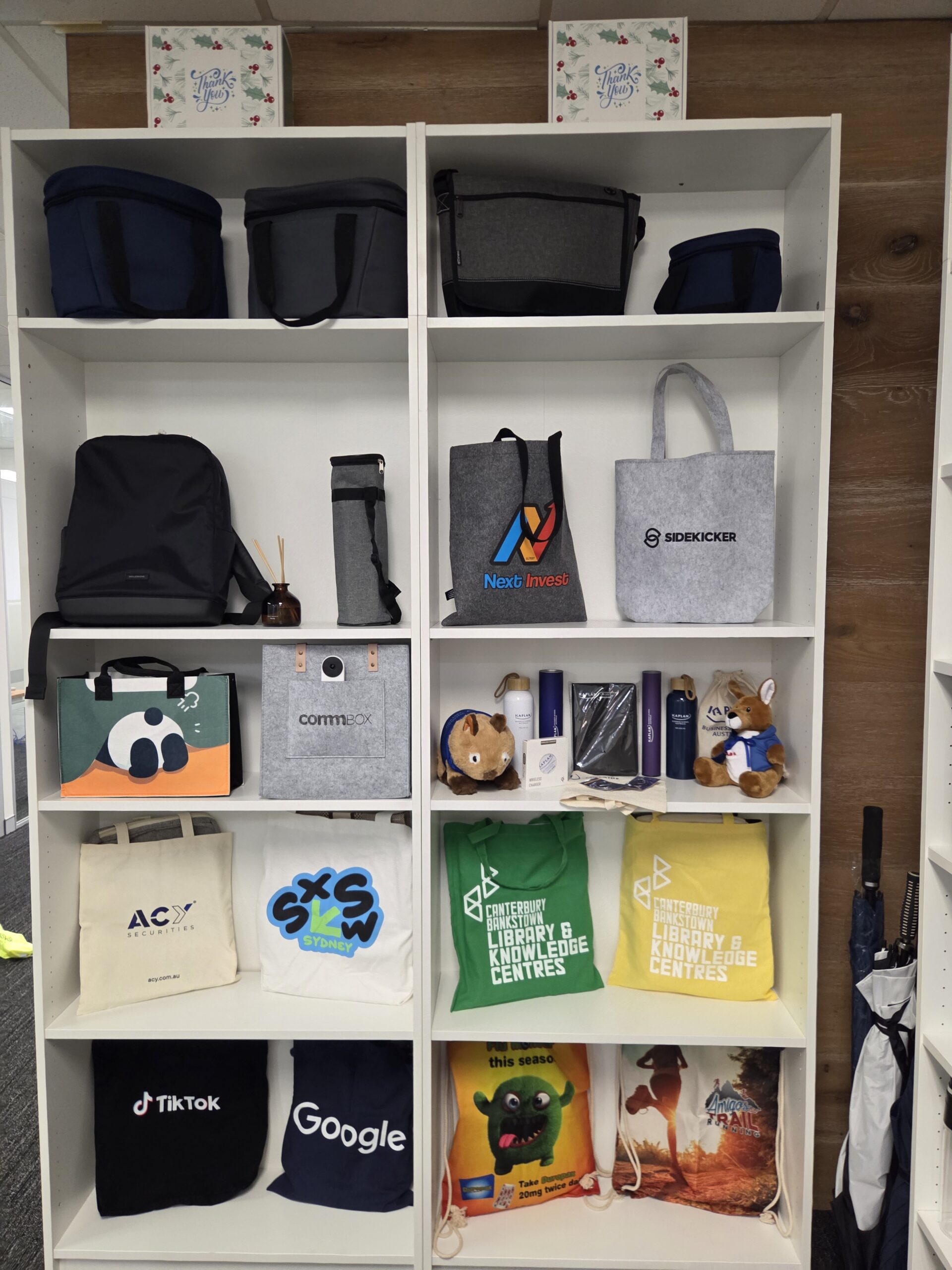
Not all materials, printing methods, or product sizes can meet every brand requirement. When this happens, it’s important to find a balance between staying true to your brand and what can actually be done. Knowing these limits helps avoid delays, reprints, and surprises when ordering branded items.
Why Production Limitations Occur?
Branded products can be made from all kinds of materials, such as textiles, plastics, metals, wood, or glass. Each material responds differently to printing or engraving. Common factors affecting production include:
- Material texture
- Product shape
- Decoration method
- Print area size
- Colour reproduction limits
For example, a logo made for digital use might have gradients or fine lines that can’t be reproduced well on some promotional products.
Common Conflicts We’ve Encountered
Here are some common situations where branding expectations don’t match what’s possible in manufacturing.
These issues often come up when trying to use the same brand identity on many different products.
Colour Matching Challenges
Matching colours is one of the biggest challenges in branded merchandise. Brand guidelines usually call for exact Pantone colours, but not every printing method can reproduce them perfectly.
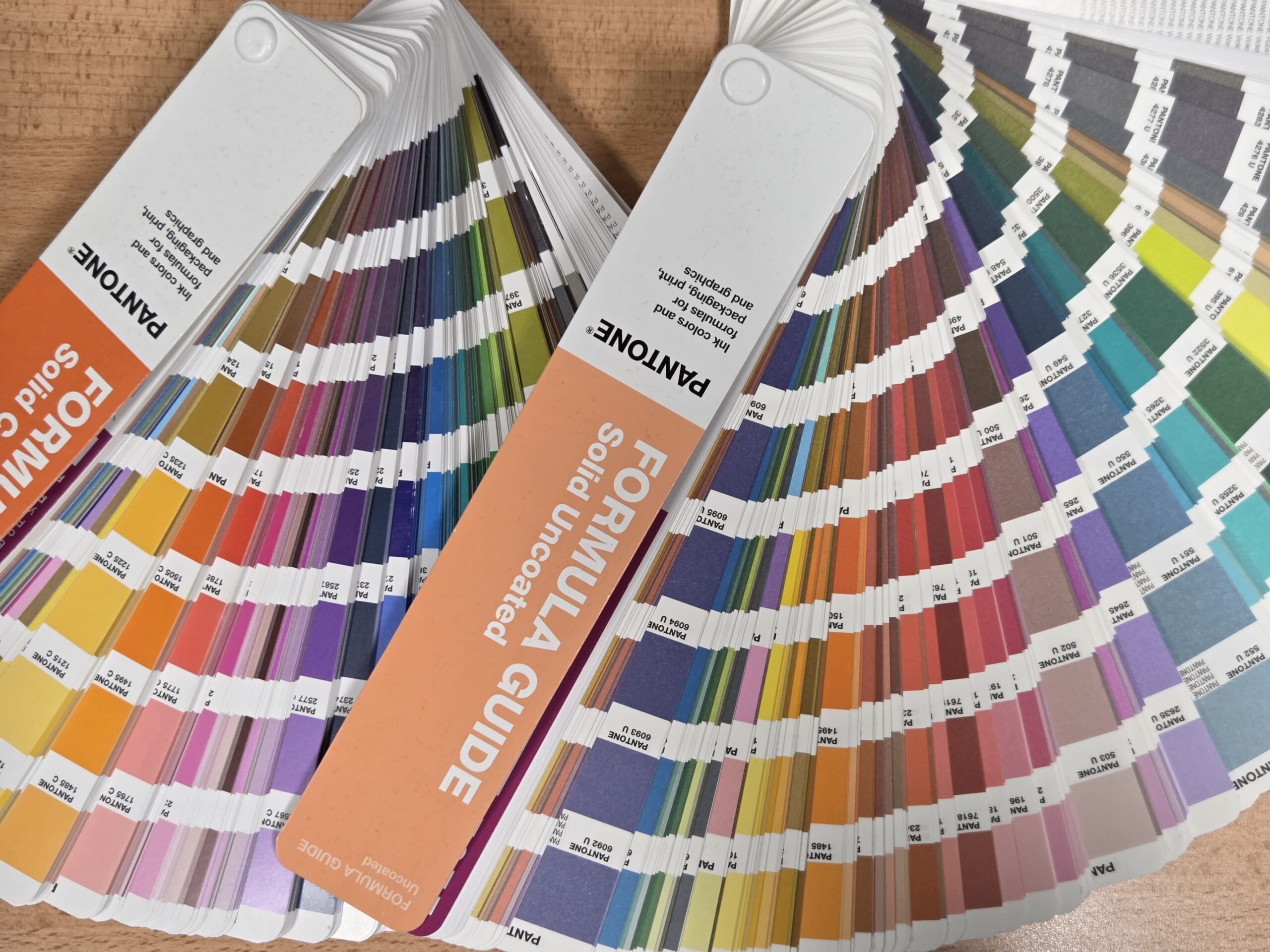
Colour Matching Across Materials
When printing on natural materials like bamboo or wood, the product’s base colour affects how the final print looks.
Logo Detail Limitations
Highly detailed logos can be tricky. Methods like screen printing and embroidery have their own technical limits.
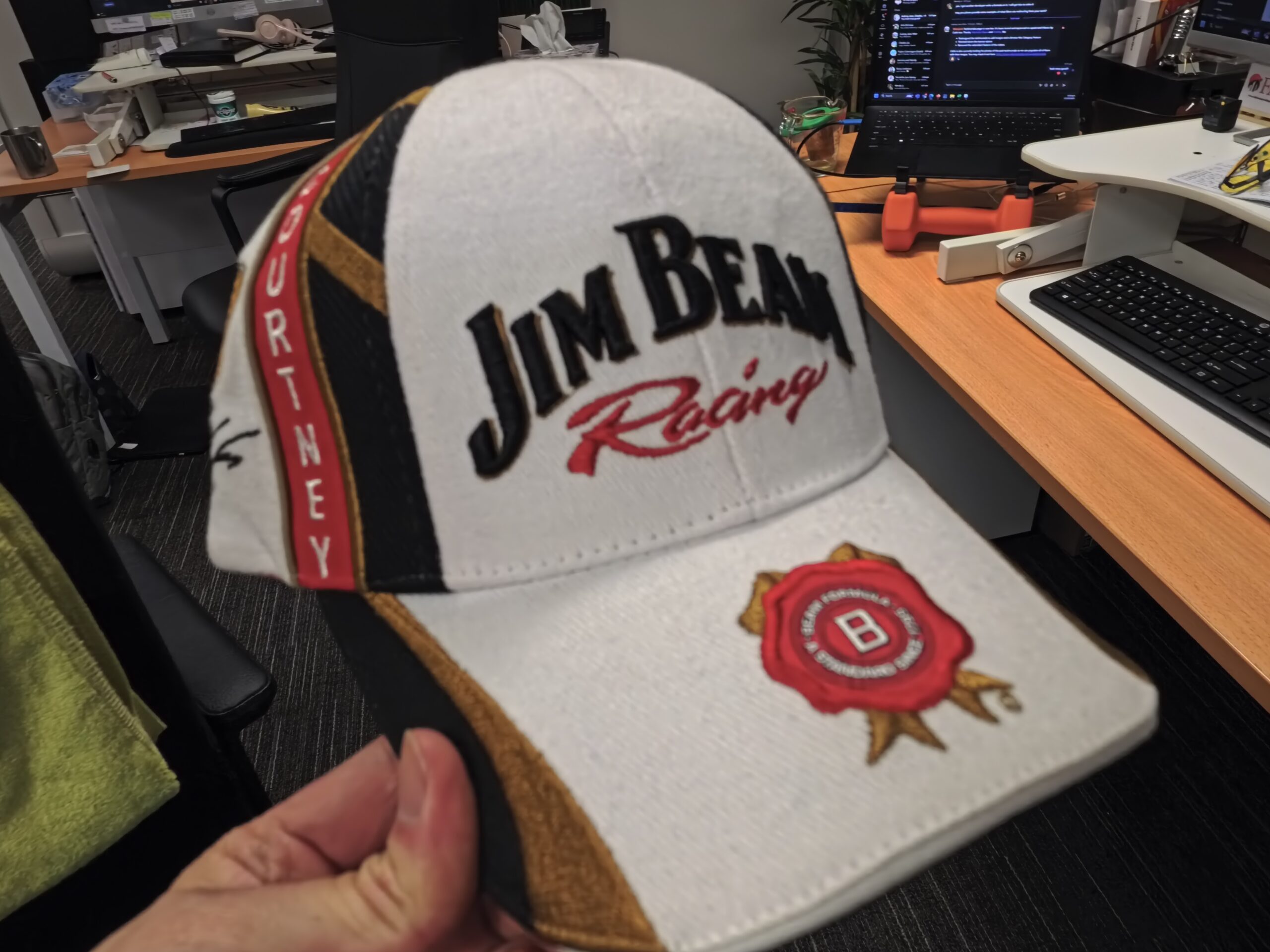
Detail Limitations by Method
If a logo has thin lines, gradients, or small text, it might need some adjustments to stay clear and readable.
Print Area Constraints
Another common problem is the size of the print area. Some promotional products just don’t have much space for branding.
Example Print Area Differences
Material Texture and Surface Effects
The texture of a product changes how a logo looks. Smooth surfaces give sharper results, while textured ones can make edges look softer.
Surface Impact on Printing
These differences in materials are why the same logo can look a bit different on various products.
How Suppliers Resolve Brand Conflicts?
Trusted suppliers like Cubic Promote have in-house graphic designers who can adjust artwork when needed. Our team is accustomed to finding creative solutions when technical limits arise—you can read more about the challenging orders our account managers have successfully handled to see how we navigate these hurdles. Here’s what we usually change:
- Adjusting line thickness
- Simplifying gradients
- Scaling logos to suit print areas
- Selecting alternative decoration methods
- Using approved secondary logo versions
The Role of Artwork Proofs
Artwork proofs are the last step before production starts. These digital previews show:
- Logo placement
- Print size
- Colour representation
- Decoration method
Clients should check proofs closely to make sure the result matches their brand expectations. Once the proof is approved, production usually goes ahead based on that version.
Avoiding Brand and Production Conflicts
Avoid most problems by taking a few simple steps. Send vector artwork files, include Pantone colour codes, and share your brand guidelines with your supplier to keep colours and layouts consistent. Be open to small adjustments during production and always review artwork proofs before giving approval. Good communication between you and your supplier helps prevent mistakes and ensures your promotional products match your brand.
Ready To Buy?