
Cheap vs Premium Custom Polo Shirts: What Businesses Get Wrong
Last Updated: 11 May 2026
Key Points
- Cheap polo shirts work well for short-term events and giveaways, while premium polos are better suited for regular staff wear and client-facing roles.
- Fabric quality, comfort, and branding methods all affect how well polo shirts hold their shape, colour, and professional appearance over time.
- Premium polos often give better long-term value because they last longer, stay comfortable, and reduce replacement needs.
Custom polo shirts sit in a tricky middle ground. They’re casual enough to feel approachable, professional enough to represent a brand, and familiar enough that almost every business has ordered them at some point.
That familiarity allows a common mistake to creep in: treating all polos as interchangeable.
They’re not. And most of the frustration businesses experience with custom polos comes from choosing the wrong level of polo for the job, not from choosing the “wrong supplier” or “wrong style”.
The Biggest Misconception: Cheaper Polos Are “Bad”
Cheap polos aren’t bad. They’re just designed for a specific use case. Lower-cost polos are built for:
- One-off events
- Short-term promotions
- Trade shows
- Giveaways where wear is optional
They’re not designed for repeated washing, long shifts, or weekly client-facing wear. When businesses expect them to perform like uniforms, disappointment is inevitable.
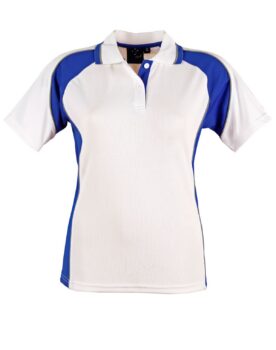
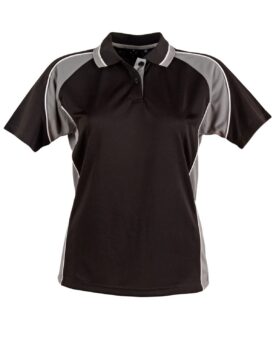
Premium polos, on the other hand, are designed to live in rotation. Different materials, stitching methods, and construction standards are used because the garment is expected to be worn often and to still look right months later. If you want to learn about other misconceptions on polos, you may read our blog on Common Mistakes When Choosing Uniforms.
Fabric Quality Determines Lifespan
Fabric is the foundation of how a polo performs over time. Cheaper polos often use lighter-weight cotton or low-grade polyester blends. They feel fine initially, but:
- Lose shape after washing
- Twist at the seams
- Fade unevenly
- Become stiff or scratchy over time
Premium polos use better-quality cotton, performance polyester, or engineered blends that are designed to:
- Hold colour wash after wash
- Maintain structure through regular wear
- Stay breathable across long days
- Feel comfortable even after extended use.
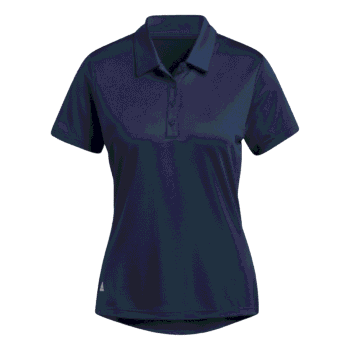
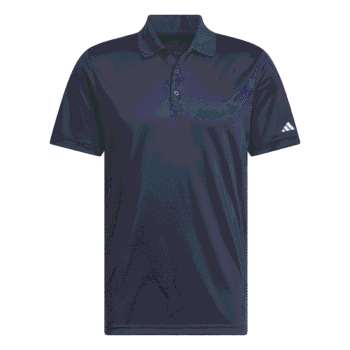
From a wearer’s perspective, the difference between Cotton vs. Polyester Polo Shirts becomes obvious quickly. And once a polo stops feeling comfortable, it stops getting worn, regardless of how cheap it was.
Comfort Is What Drives Wear and Brand Value
From a branding standpoint, a polo only delivers value while someone is wearing it. Uncomfortable garments sit in drawers. Awkward fits get “saved for emergencies”. Stiff fabrics get avoided on warm days. Each of these outcomes quietly kills ROI.
Premium polos prioritise comfort because they’re designed to be worn repeatedly. Better cuts, improved breathability, and fabrics that move with the body mean staff actually choose to wear them.
Embroidery vs Print: Decoration Matters
Another area where businesses get caught out is decoration. Lower-cost polos are often paired with basic print methods to keep pricing down. This works for short-term use, but prints can crack, fade, or lose definition after repeated washing.
Premium polos are typically branded using embroidery or higher-grade print techniques chosen specifically for durability. Embroidery adds texture and perceived value, and it holds up far better over time when the logo is simple, and the fabric can support it.
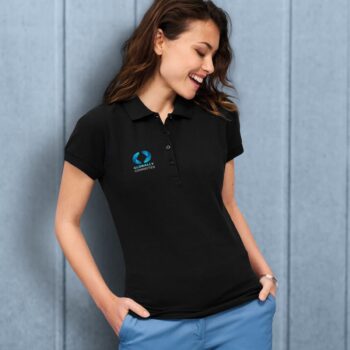
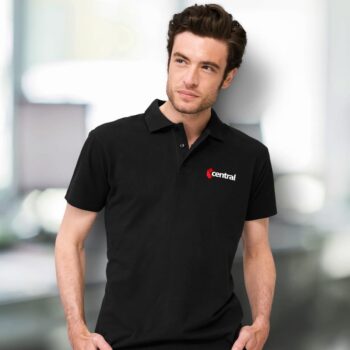
Using the wrong branding method for the fabric or expected lifespan of the garment is a common and expensive mistake.
When Budget Polos Are the Right Choice
There are many scenarios where a budget polo is the correct choice:
- Trade shows where staff wear the shirt for one or two days
- Community events where quantity matters more than longevity
- Promotions where the polo is a takeaway, not a uniform
- Short-term campaigns with no expectation of reuse
In these cases, paying for premium fabrics and construction would be unnecessary. The mistake is rolling these polos into ongoing roles or expecting them to represent the brand in front of clients over time.
Premium Polos Earn Their Keep Over Time
Premium polos cost more upfront, but they’re built for:
- Repeated washing without shape loss
- Colour consistency across a team
- Comfort during long workdays
- Professional appearance in client-facing environments
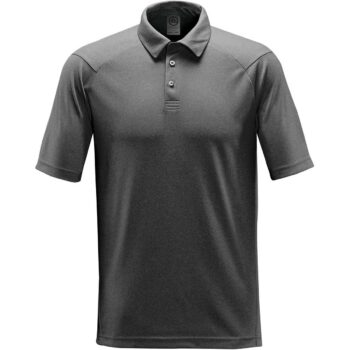
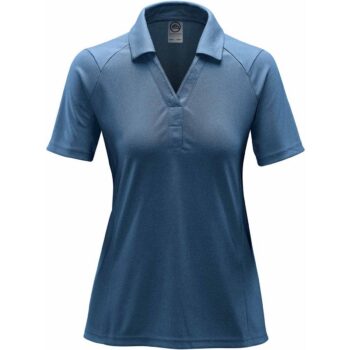
When you spread the cost across dozens of wears, the cost-per-use often drops below that of cheaper options that need replacing early.
They also reduce soft costs, including fewer complaints from staff, less admin around replacements, and stronger brand consistency across teams.
What Businesses Should Ask Before Choosing
Instead of asking, “What’s the cheapest polo we can get?”, better questions are:
- How often will this be worn?
- Who will be wearing it, and in what environment?
- Does this need to last six wears or sixty?
- Will this be seen by clients or just worn internally?
Practical Takeaway
Cheap polos aren’t a mistake. Using them in the wrong context is. If the polo is for a one-off moment, keep it simple and cost-effective. If it’s meant to represent your business week after week, invest in quality that holds its shape, colour, and comfort over time.
[team_member image_url=”272549″ team_memeber_style=”meta_below” link_element=”name” color=”Accent-Color” image_size=”thumbnail” name=”Charles Liu” job_position=”Owner” description=”Charles Liu is the Founder and a recognised authority in the promotional products and uniforms industry in Australia. With over 19 years of experience, he has guided Cubic Promote to work with over 15,000 Australian organisations. His specialty is helping Aussie companies select the right products that stay within their budget. He also specialises in sourcing and assisting brands and government agencies in selecting corporate gifts for VIPs and high-profile clients. A regular contributor to industry blogs, Charles shares his expert insights on using branded merchandise to achieve business goals. Charles’s deep understanding of industry trends and strong supplier relationships make him a trusted figure in the sector, continually influencing the development of both products and uniforms that deliver tangible, measurable results.” link_url=”https://www.cubicpromote.com.au/blog/author/charles”]Years of experience[/team_member]