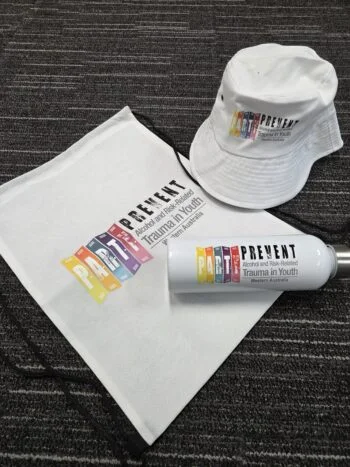
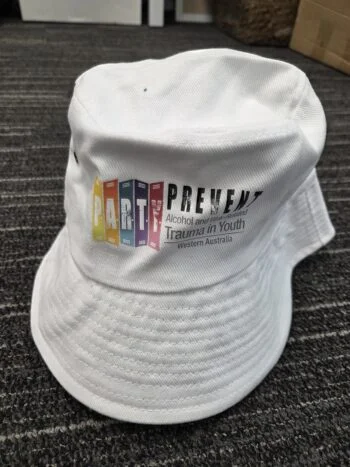
When deciding between two similar items, start with the purpose: who will receive the item and how they will use it.
Compare quality, print results, stock levels, and delivery time, not just the unit price.
Pick the option that meets your deadline and reduces risk, especially for repeat or large orders.
Two products look almost the same. The price is close. The specifications seem identical. So which one should you choose?
This is one of the most common questions buyers ask. We spoke with one of our account managers about how she guides clients through these decisions and what actually matters when comparing similar promotional products.
Why Similar Products Feel Confusing
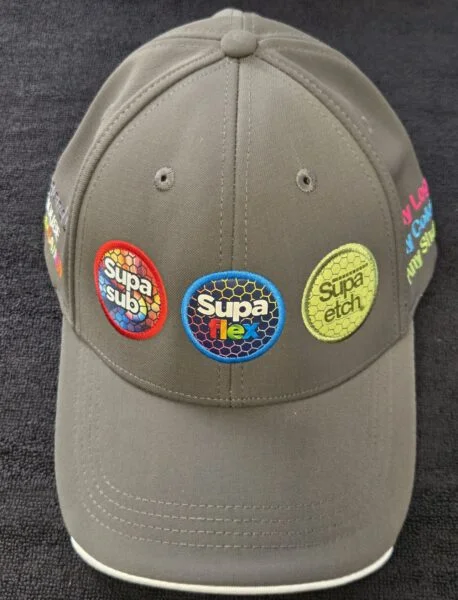
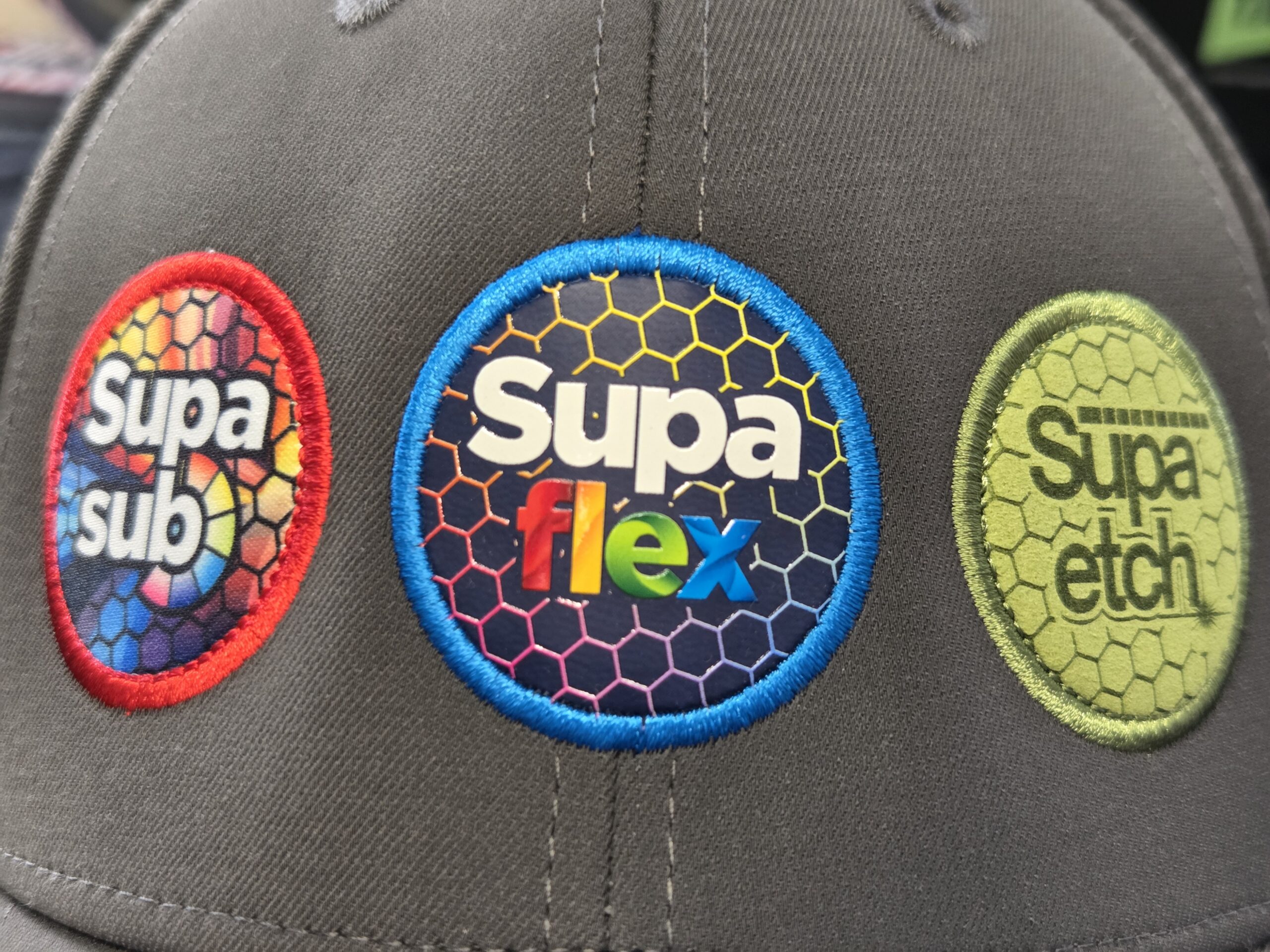
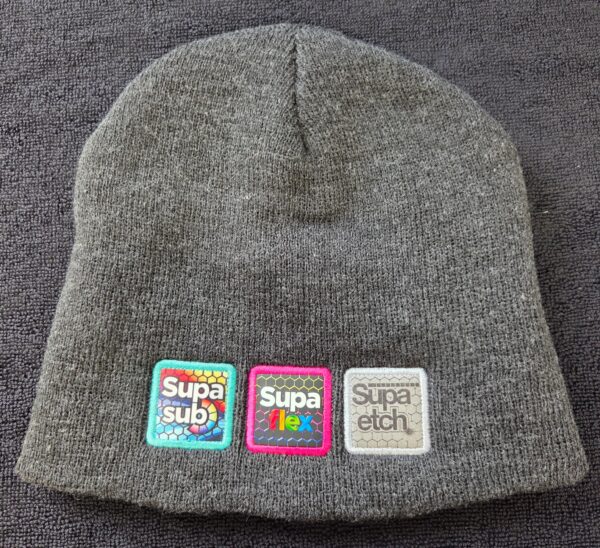
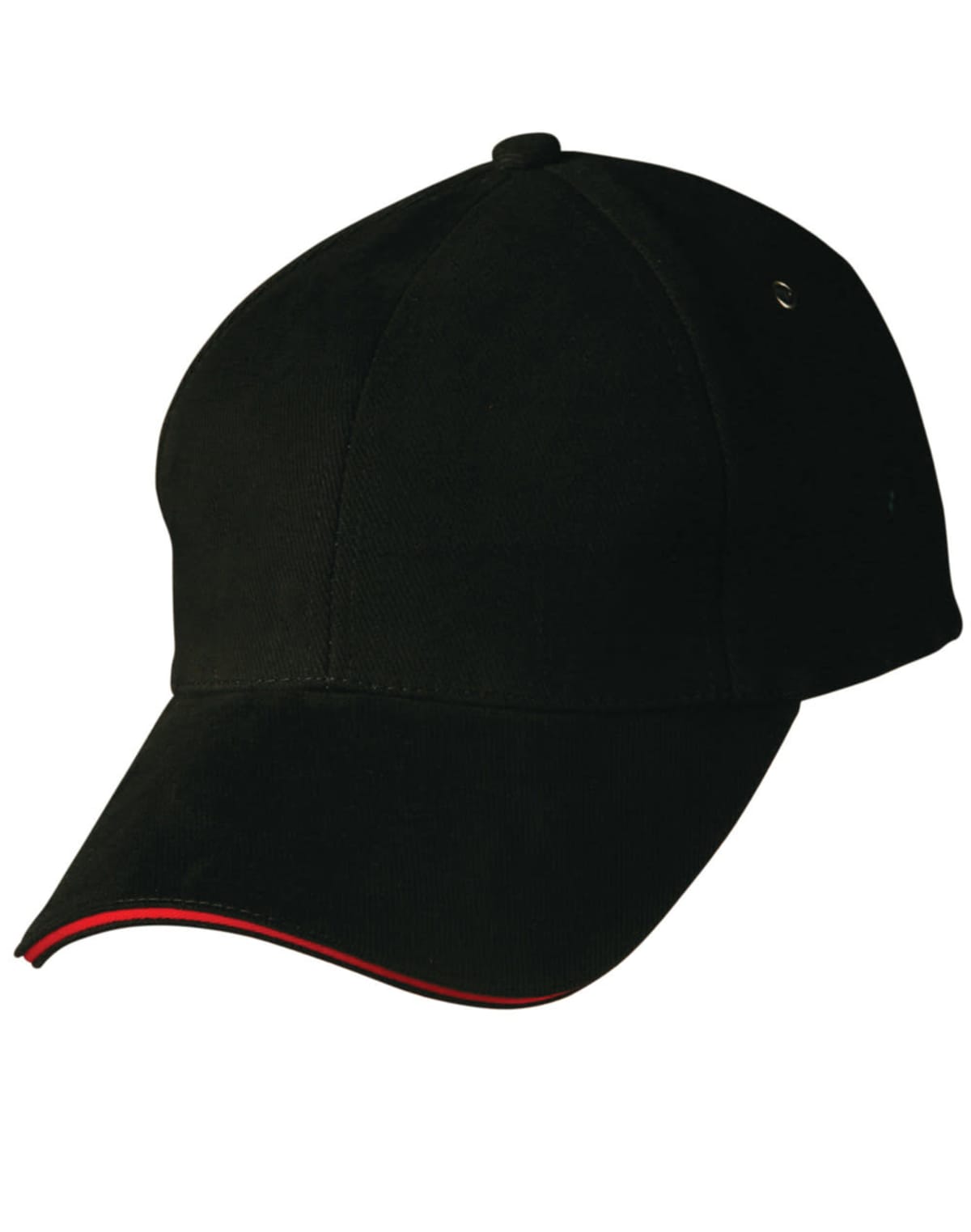
For example, you’re comparing a branded cap and a branded beanie that both feature similar logo patches and embroidery techniques. So, how do you decide from here?
At first glance, they seem identical, but small details can make one product more suitable than the other. While price gets the most attention, it is rarely the only important factor.
Start With the Purpose
Before comparing the features, clarify the purpose. Why are you purchasing them? Who will receive the item? Most of the clients we encounter order these items for these purposes:
Trade show giveaways
Staff uniforms
Client gifting
Onboarding packs
A product that works as a giveaway will work as a corporate gift. Conversely, short-term novelty items for trade shows do not have the same durability as those we use daily. The first question our account manager asks is simple: Who is receiving it, and how will it be used?
In our experience, once the purpose and audience are clear, the “better” option tends to stand out quickly.
When two products are priced closely, compare the details that affect long-term value.
What to Compare
Why It Matters
Material quality
Affects durability and feel
Weight
Impacts freight costs
Stock availability
Influences delivery timing
Branding surface
Affects print quality
Minimum quantity
Impacts ordering flexibility
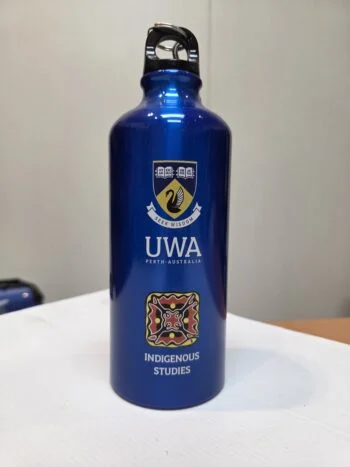
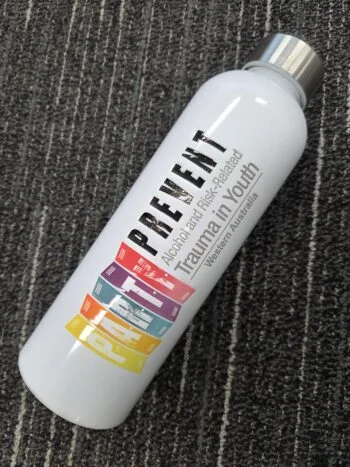
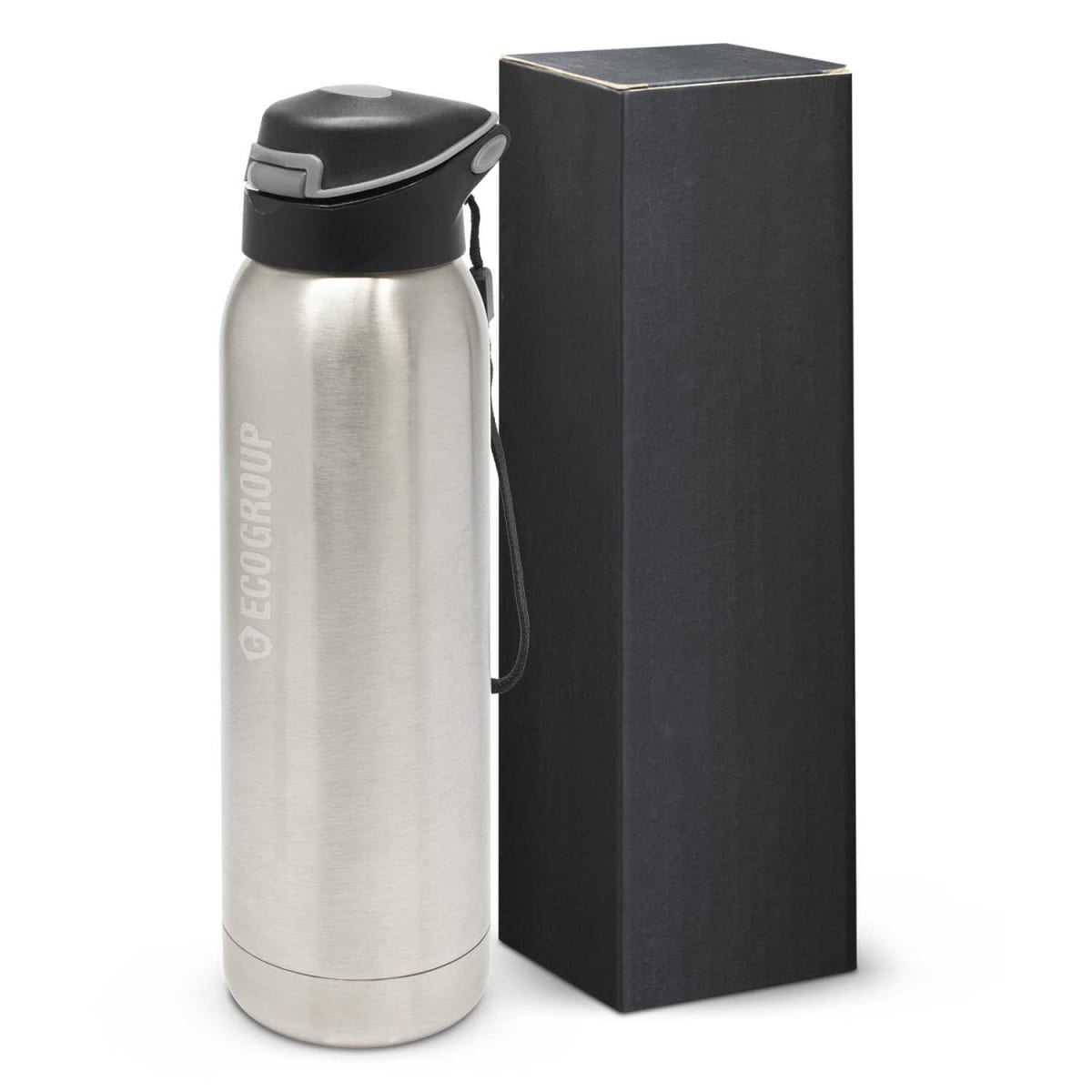
Take our promotional metal bottles, for example. These three stainless steel drink bottles might look similar at first glance, but they are different. One could feature vacuum insulation for longer temperature retention, another a durable powder-coated finish, and another a lightweight single-wall design suited to everyday use.
Those differences directly affect material quality, durability, and how the bottle performs over time, the same factors outlined above when comparing products. If a bottle keeps drinks at the right temperature and resists wear, people are more likely to keep using it. Price still matters, but long-term reliability often determines the real value.
Check Stock and Lead Time
Availability often becomes the deciding factor. If one product:
It is fully stocked locally.
Has consistent size or colour availability
Can meet your required delivery date
That product might be the safer choice. When you have a fixed deadline, reliability is usually more important than small feature differences. If something changes or a deadline tightens, we work with you to find the fastest practical shipping and turnaround options, including express 24-hour production, to reduce risk and keep your rollout moving.
Consider the Branding Result
Not every surface prints in the same way. Ask:
Does the product suit screen printing or engraving?
Will the coating affect colour accuracy?
Will the logo sit cleanly in the chosen print area?
A product may look similar but produce a noticeably sharper branding result.
When brand presentation matters, print outcome should influence the decision.
Think About Longevity
Ask yourself: how long should this product be used?
Feature
Option A
Option B
Price
Lower
Slightly higher
Durability
Moderate
Higher
Brand impression
Functional
More premium
Expected use
Short term
Longer term
If the campaign is short-term and high-volume, the lower-cost option may work. If the goal is extended brand exposure, the more durable option often offers better value.
Reduce Risk Where Possible
When products are very similar, it’s best to focus on reducing risk. Common buyer considerations include:
Which option is less likely to face stock shortages?
Which is easier to reorder later?
Which has fewer variations to manage?
I have found from experience that the better choice is usually the product that offers the most predictable outcome over time. For repeat or large campaigns, it’s the safest option because it reduces stock and delivery risks, keeps branding consistent, and makes reordering straightforward for future runs.
How the Decision Usually Happens
According to our account manager, the process typically follows this order:
Confirm purpose and audience.
Check stock and lead time.
Review branding compatibility
Compare material quality and durability.
Align with the budget
Making the Decision Easier
Choosing between similar products does not need to be complicated. Just focus on your use case and timeline. If you’re comparing two similar items and unsure which direction to take, talk to our account managers. They can explain the practical differences, confirm stock availability, and help you choose the option that aligns with your budget and delivery schedule across Australia.
Charles Liu is the Founder and Marketing Director of Cubic Promote, an Australian supplier of promotional products, branded merchandise and corporate uniforms. With more than 20 years of industry experience, Charles helps Australian organisations plan, source and deliver branded products and apparel for marketing campaigns, workplaces, conferences, corporate gifting programs and major events.
His expertise covers product branding, global logistics, project management, marketing, leadership, product safety and B2B supply. He works at the point where marketing ideas must become practical products—within a defined budget, production deadline and quality requirement. Connect with Charles Liu on LinkedIn