How Are Delivery Timelines Calculated for Bulk Orders?
Key Points
- Bulk order timelines depend on three key stages: artwork approval, production, and shipping.
- Delays are caused by slow approvals, stock issues, or shipping disruptions, so early planning and quick decisions help keep orders on track.
- Working with an experienced supplier like Cubic Promote helps keep each stage moving smoothly, with clear timelines and upfront stock checks.
During my first conversations with clients, one of the most common questions I get is how long a bulk order will take. One thing I always explain early is that artwork approval is required before production can begin. While many orders follow a standard two-week turnaround, the actual timing depends on the product, quantity, branding method, and delivery option. In this guide, I’ll break down the process we use to calculate delivery timelines.
Why Timelines Aren’t Just One Number?
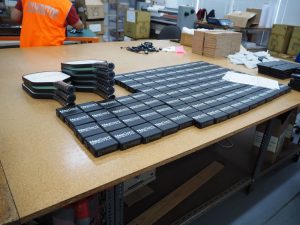
The main stages include:
- Artwork approval
- Production
- Shipping
How We Estimate Bulk Order Timelines
- Artwork approval time
- Production time
- Shipping or freight time
- Stock availability checks
Step 1: Artwork and Approval
This is the first stage, and it often gets underestimated. Before anything goes into production, the artwork needs to be finalised and approved. That includes logo placement, sizing, and colours.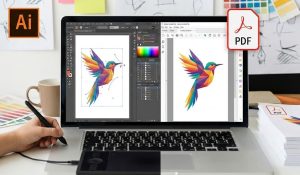
- Artwork setup and mockups
- Revisions if needed
- Final approval sign-off
Step 2: Production Time
Once the artwork is approved, production begins. This is where items are printed, assembled, or customised. The time needed depends on the product and quantity.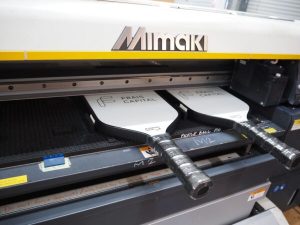
- Simple items take less time.
- Larger quantities take longer.
- Complex branding methods add time.
Local production is usually faster. Offshore production takes longer but can save money.
Step 3: Shipping and Delivery
After production, the order still needs to be delivered. Shipping time depends on where the stock is coming from and how it’s being sent.
- Local delivery is quicker.
- Air freight is faster but more expensive.
- Sea freight is slower but better suited to large volumes.
Delays can happen here, too, especially with international shipments.
How These Steps Add Up?
Here’s a simple way to look at it.
Each stage depends on the one before it. That’s why timelines are usually given as a range, not a single date.
What Affects Bulk Order Timelines?
- Quantity of items
- Type of product
- Branding method
- Stock availability
- Delivery location
For example, a simple pen order will be ready much faster than a custom item with several print areas.
Common Delays I See
- Slow artwork approvals
- Changes made after production starts
- Stock unavailable at the time of ordering
- Shipping or freight delays
How I Help Keep Orders on Track?
When I work with clients, I focus on keeping things moving at every stage.
- Confirm artwork early
- Lock in product choices quickly.
- Check stock availability upfront.
Taking small steps like these helps prevent bigger delays later.
Planning Backwards from Your Deadline
One of the easiest ways to manage timelines is to start with your deadline and plan backwards. If you need items by a certain date, make sure to allow time for each stage before that.
- Delivery date
- Shipping time
- Production time
- Artwork approval
This approach gives you a more realistic schedule from the beginning.
Local vs Offshore Timing
Clients often ask about this. Local orders are faster because there’s less shipping. Orders take longer, but are often chosen for larger quantities when cost is a bigger concern
The trade-off is simple:
- Local = faster turnaround
- Offshore = longer timeline, lower cost
What We Advise?
Timelines become much easier to manage once the full process is understood. Artwork approval is one of the most important stages because production cannot begin without it. Most delays occur due to slow approvals, stock issues, or last-minute changes. If you’re working towards a deadline, it’s always better to start earlier or consider rush production options than to wait until the last minute.
Ready to Buy?