
QR Code Promotional Products
Last Updated: 15 April 2026
Key Points
- QR code products let people scan instantly to access websites, offers, or campaigns using their smartphones.
- They are easy to create, save space, and improve engagement compared to long or hard-to-remember URLs.
- We recommend adding QR codes to everyday items like pens or packaging to drive quick and measurable interactions.
By popular demand we are launching more and more promotional products that can accomodate a QR code. However first things first. Hands up to those who has not heard of a QR code? So what is it? QR stands for Quick response Code. Here’s a snapshot of what it does. A QR code will typically look like this:

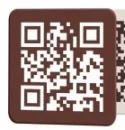
First thing you notice is that its a square and its got funny little random mini squares inside it. A QR code always looks like this. There wont ever be a QR code thats not a square nor not have random mini squares inside it. The QR code above is actually from our own website. So what does this square with a bunch of squiggles do? Well you point at it with a smart phone which is enabled to accept QR codes. Typically all new gadgets that have one of these labels somewhere on the device such as Apple or Android or Blackberry or Window Phone 7 OS will be able to accept QR codes. Simply aim one of these devices at the black square take a photo using the relevant application or software and you can instantly be taken to the website which it relates to. Simple really! Think of it as a bar code. (coincidentally its actually compatible with conventional bar code scanners). This has made this technology a very customer oriented device as you can readily print it onto the packaging of products, on billboards and of course also onto promotional products.



So who knows about QR codes? Well I can imaging virtually every Gen Y boy and girl would know along many of the Gen X’s as well and increasingly anyone who has in posession a Smart Phone or a computer Tablet such as an Ipad. This means that if you are marketing for a business or would like to promote an event or an awareness campaign then this is a medium of advertising and promotion that you simply must know about.
The question you may be asking and in fact one that I used to too was why use a QR code as opposed to simply displaying your website URL? Essentially 3 reasons make QR codes a better way:
- Convenience – When your advertising reaches a customer they literally will process your message in only a few seconds. They may or may not have a pen. They may or may not have a good memory but they will definitely have a phone and if statistics are anything to go by 50% of Australian consumers now have a device that can access QR codes. If they are interested they simply point and click and they will be directed to a relevant page.
- 2nd reason – Convenience once again. A URL is typically hard to remember for many companies. Dont believe me? Glance at our URL right now and try to recite the entire sequence to access this blog page again! Quite hard right? So even if your URL is simple you may want to run a special promotional campaign on a different part of your website and your URL may go longer making it hard to remember
- For the marketing manager a QR code is extremely easy to create. The one above I created within 10 seconds.
So how mainstream is this technology now? Surprisingly very very mainstream. Many of our largest brands use them without potentially you noticing. I know Telstra has been using QR codes in its advertising for seemingly years now and at first most people probably just ignored it. Not any more! You see with most QR codes comes special offers and I have friends who literally are QR code obsessed and they take snaps of everything just to see what little freebie gems that can get! This will definitely continue. QR codes are here to stay and because they can be integrated into an advertising message so simply as they take up so little space you can advertise on a poster or in a magazine and they will barely take up room so your message will not be effected.
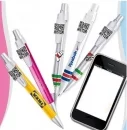
To keep your marketing up to date we at Cubic Promote have launched an array of products (& existing ones too) that can accomodate QR codes. These are:
1) QR Code Promotional Pens
2) QR Code Chocolates
3) Promotional mousepads
4) Calendars
5) Business Cards & Stickers
6) Paper Bags
7) Promotional post its
End Notes
QR codes is here to stay and its not a futuristic concept anymore. Australia has one of the worlds highest rates of smart phone use along with countres like America, Korea and the UK. In America and Korea already QR codes are part and parcel of everyday advertising and everyday shopping. In Australia its beginning to really take off with the likes of Sportsgirl creating their first retail concept store where everything can only be purchased by Smartphone QR codes. Whilst advertising everywhere are beginning to have those little squares pop up.
Sourced from Wikipedia: the QR code was apparently invented by the Toyota Group by its subsidiary Denso.