
Struggling to Fill Seats at Your Next Open Day?
Key Points
- A gift tied to early registration gives people a concrete reason to commit, which also helps organisers lock in catering, seating and staffing numbers earlier.
- On-the-day and take-home items keep the brand present during the decision period that follows, which is usually when enrolments, applications or enquiries are actually made.
- Practical items like drink bottles, tote bags and notebooks outlast novelty giveaways because people keep using them, so the branding stays active long after the event ends.
Why Do Open Days Struggle With Attendance?
Many open day no-shows happen because the event stops being top of mind between registration and the event date. Without another reason to think about the visit, people can lose interest, forget the date or allow other commitments to take priority.
A small gift tied to early sign-up can make the reminder more memorable than a follow-up email because it gives the registrant something tangible to look forward to. This is where promotional merchandise can shift the experience from passive interest towards a stronger commitment to attend.
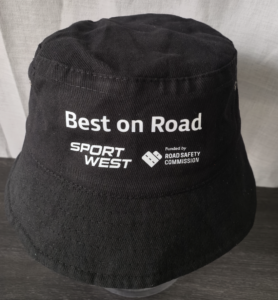
What Merchandise Works Best at Each Stage of an Open Day?
The most effective approach matches the item to the stage it needs to support. Pre-event, on arrival, during the day and after the visit all have different purposes, so the merchandise should reflect what attendees need at each point.
Pre-Event: Why an Early Bird Gift Speeds Up Registrations
Offering a branded drink bottle or tote to anyone who registers before a set date gives people a practical reason to act early. Earlier registrations also give organisers clearer numbers for catering, seating and staffing, so the incentive can benefit the organiser as much as the attendee.
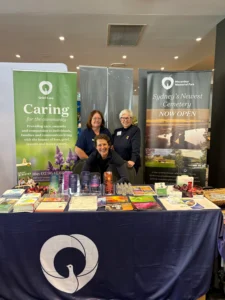
Charles Liu, Co-founder at Cubic Promote, says the clients who get the best results are the ones who share full context up front. Knowing whether a drink bottle is going to a prospective student, a parent or a corporate recruitment candidate changes the recommendation on size, material and finish. Charles prefers to start with a conversation because the right item only becomes clear once the audience and intended use are properly understood.
Clients who have used a registration gift for the first time often say the RSVPs came in noticeably faster once the incentive went live, and several mentioned that having something tangible to promote gave their social media posts a clearer hook.
On Arrival: How a Simple Gift Sets the Tone for the Whole Visit
A notebook and pen handed over at check-in sets a positive tone before a single conversation has happened. A small, useful gift signals that the organisers have thought about the visitor experience in advance, and that signal lands before any presentation or tour begins. Attendees can also use the notebook during the visit for questions, room numbers and session notes, so the item has a practical role throughout the day.
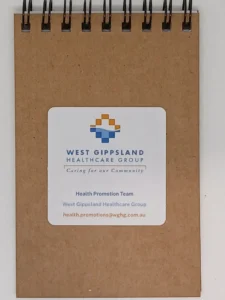
Mary Aguirre-Cruz, one of our account managers, enjoys this type of brief because the item has a clear job to do from the moment it is handed over. She says her favourite clients are the ones who come with a clear sense of their audience and are open to suggestions because that combination makes it easier to land on something that genuinely fits the day.
During the Day: Why Staff Visibility Matters More Than It Seems
Branded polos or lanyards make it immediately clear to attendees who they can approach with questions. Open days often draw people who are unfamiliar with the venue and unsure where to go, and clearly identified staff can remove that hesitation before it becomes a poor first impression. This may not drive registrations directly, but it shapes how smooth and welcoming the day feels, and that feeling is what many visitors carry home with them.
After the Visit: Keeping the Brand Present During the Decision Period
A tote bag with an information pack inside can keep working long after the event ends. Attendees may continue using the bag, which keeps the branding visible in the weeks following the open day and during the period when enrolment or application decisions may still be under consideration.
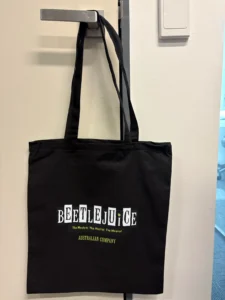
Ariane Milarpez, one of our account managers, says the key is choosing something the recipient will reach for again because repeated use is what extends the brand’s presence into the decision window.
Clients who have used tote bags as take-home items often report a steady stream of enquiries in the weeks after the event, with callers mentioning the bag as the thing that kept the visit front of mind.
What You Should Take Away From Our Experts
- Offer the registration incentive at least three weeks before the event so there is enough time for it to influence sign-up behaviour.
- Choose lightweight, easy-to-carry items for the day itself because attendees will be moving between different areas.
- Share your expected registration numbers with your account manager early so the order quantity can be planned accurately.
- Keep a small reserve for walk-ins so unexpected attendees can still receive the same event materials.
Regina Mangubat, one of our account managers, says the orders that run most smoothly are the ones where the client has thought through quantities, timing and the flow of the event before the conversation starts. Clear information at the brief stage means fewer changes during production and gives the team a better chance of having everything ready when it is actually needed.
