Survey: 5 Not-for-Profit Merchandise and Fundraising Trends in Australia
Australian not-for-profits use branded merchandise to raise funds, thank donors and promote their causes. Our survey explores five trends that could shape their merchandise choices, from popular products and tighter budgets to donor engagement and sustainability.
 |
 |
About Our Survey
Key Findings
When we looked at our example survey results, we found five potential trends in how Australian not-for-profits choose and use branded merchandise:
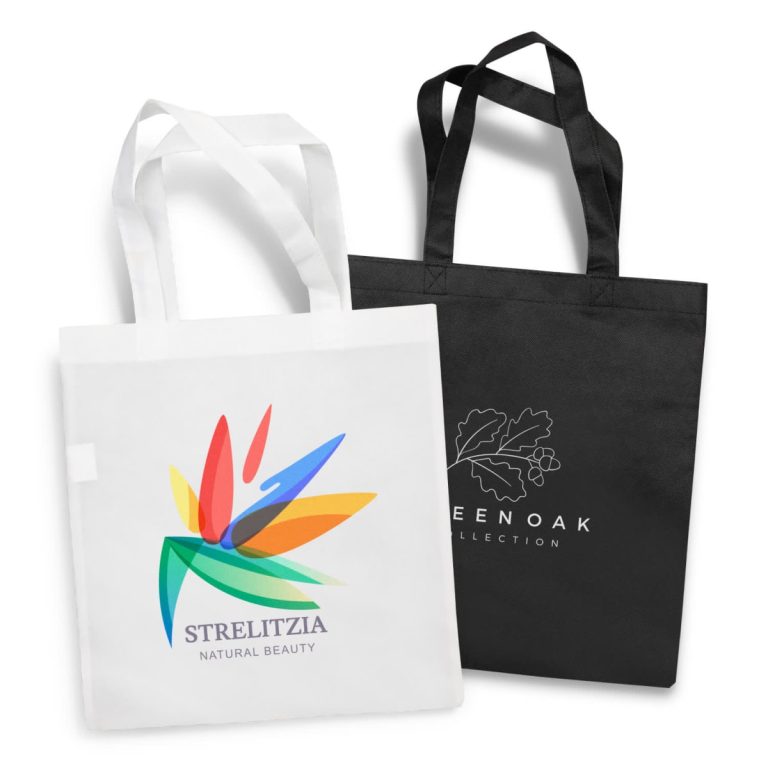
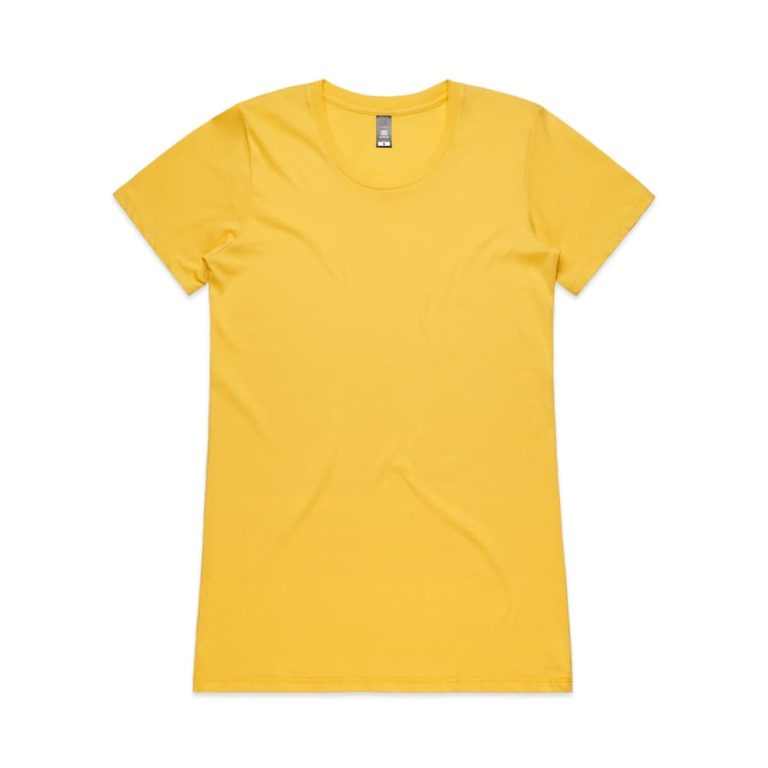
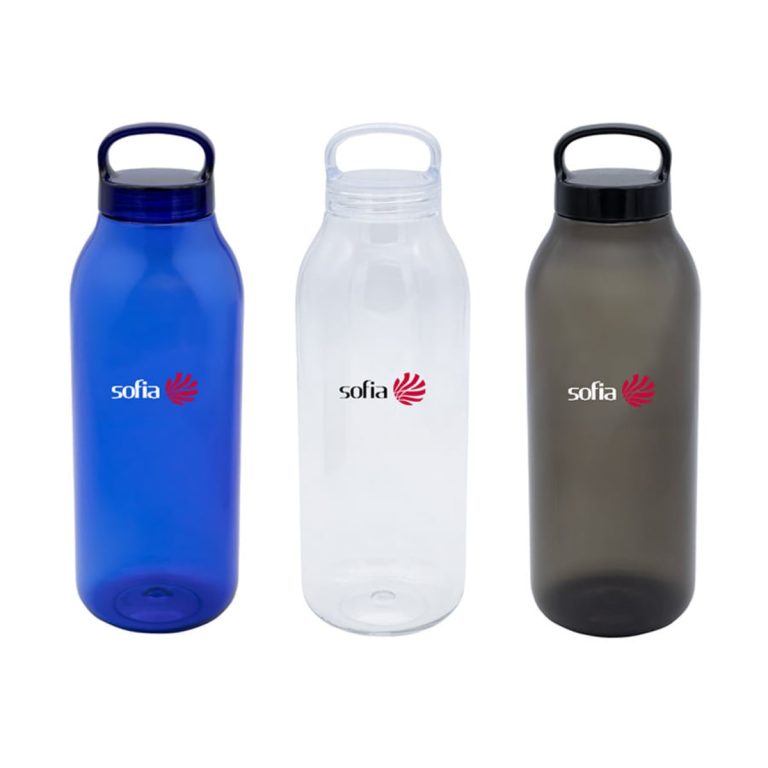
- 15 of 23 respondents selected tote bags, followed by T-shirts (12 of 23) and drink bottles (11 of 23).
- 10 of 23 respondents identified upfront costs as their biggest challenge, while 7 of 23 selected unsold stock.
- 9 of 23 respondents chose fundraising as their main goal, while 6 of 23 selected donor appreciation and 5 of 23 chose brand awareness.
- 9 of 23 respondents prioritised price, compared with 7 of 23 who chose usefulness and 2 of 23 who selected sustainability.
- 16 of 23 respondents said they would use merchandise in their next fundraising campaign, while 5 of 23 were undecided.
Trend 1: NFPs Prefer Practical Merchandise
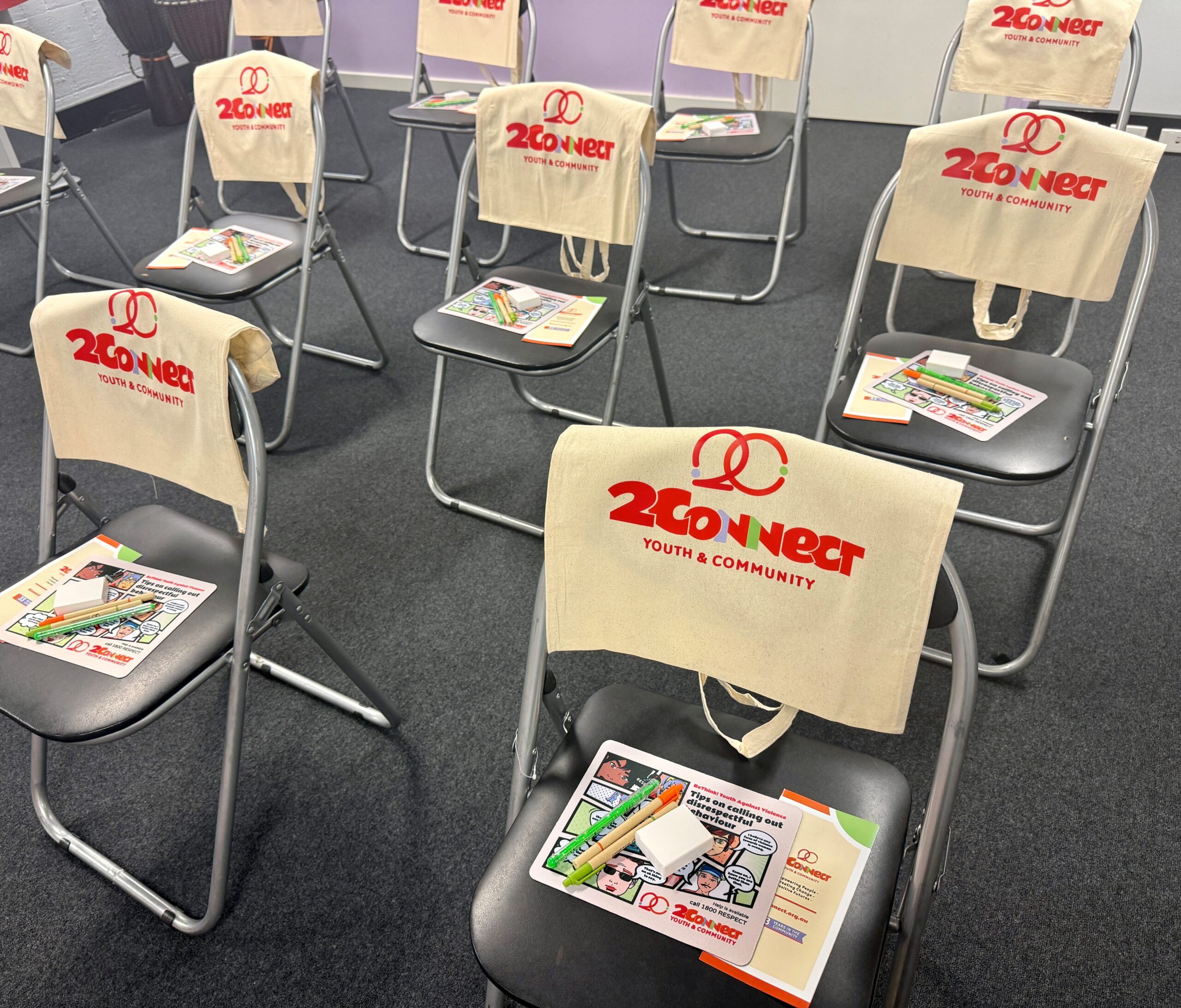
Tote bags topped our sample results, with 15 of 23 respondents selecting them. T-shirts followed with 12 selections, while drink bottles received 11.
Most Popular NFP Merchandise
This part of the survey allowed respondents to choose more than one product. That’s why the number of selections is higher than 23.
It’s easy to see why these products are useful for charities. Supporters can take tote bags shopping, wear T-shirts at community events, and use drink bottles every day. Each product gives the organisation another chance to get its name and cause in front of people.
Research from the Australasian Promotional Products Association (APPA) supports the importance of practical merchandise. In its July 2026 study of 399 people across Australia and New Zealand, 86% said usefulness was the most important factor in whether they kept and used a branded product.
APPA’s research wasn’t limited to charities, although it offers a useful lesson for NFPs. A product supporters can use regularly may matter more to a campaign than a novelty item they put away after an event.
Trend 2: Rising Costs Put Pressure on Budgets
Money is a major concern in our survey results. We found that 10 of 23 respondents selected upfront costs as their biggest challenge, while another 7 were concerned about unsold merchandise.
Biggest Challenges When Purchasing Merchandise
These concerns come at a time when Australian charities are under financial pressure. The Australian Charities and Not-for-profits Commission (ACNC) reported in June 2026 that charity expenses rose by 8.6% to $231 billion, while revenue grew by 7.5% to $239 billion.
The ACNC also found that around 60% of registered charities were small or extra small, with annual revenue below $500,000. Many of these organisations have limited funds, so every purchase needs careful thought.
For merchandise, the challenge is balancing price and quantity. A charity might get a better unit price by ordering 500 T-shirts, for example. However, the savings won’t mean much if half the shirts remain unsold after the event.
Smaller orders and pre-orders may be useful options for charities that want to reduce the risk. Products that can be used at several events throughout the year can also help organisations get more value from their merchandise budgets.

Trend 3: Merchandise Is No Longer Just About Fundraising
Fundraising was the most common goal in our sample, with 9 of 23 respondents selecting it. However, we also found interest in donor appreciation, brand awareness and volunteer engagement.
Main Reasons NFPs Use Merchandise
For charities, merchandise can be a simple way to thank the people who support their work. A branded notebook or drink bottle may not seem like a big gift, although it can give donors something useful and remind them of the cause they helped.
Brand awareness also adds value. APPA’s 2025–26 industry research found that 81% of 399 surveyed merchandise recipients could name the brand on a product they owned. Another 84% said they recommended or talked about the brand to others.
Volunteer engagement is another area where merchandise can play a role. According to the ACNC’s 12th Australian Charities Report, charities reported approximately 3.9 million volunteers in the 2024 reporting period. This was an increase of more than 172,000 from the previous year.
Branded T-shirts and caps can help volunteers stand out at events and make them feel part of the team. They can also be a practical way to recognise the time and effort that volunteers contribute.
The wider trend is worth watching because merchandise can support several goals at once. Charities can use different products for fundraising, donor gifts and volunteer programs rather than treat every order as a way to generate direct sales.

Trend 4: Price Matters More Than Sustainability for Some NFPs
When we looked at the purchasing priorities in our sample dataset, affordability came first. Nine of 23 respondents selected price as their biggest consideration, followed by usefulness (7 selections).
Top Merchandise Purchasing Priorities
Only 2 of 23 respondents selected sustainability as their main priority. This doesn’t mean the others aren’t concerned about the environment; they may still consider sustainable products when price and quality fit their budgets.
The broader merchandise industry has shown stronger interest in sustainability. In APPA’s August 2026 study, 55.8% of 228 buyers across Australia and New Zealand said sustainability and ethical sourcing were important or extremely important. Another 52.2% were willing to pay up to 10% more for sustainable or ethically sourced merchandise.
These studies asked different questions and covered different groups of people, so their figures aren’t directly comparable. Still, APPA’s findings show that environmental concerns factor into many merchandise purchasing decisions.
There’s also a legal side to consider. Under Australian Consumer Law, businesses must not make false or misleading environmental claims, and these rules can apply to some charity fundraising activities. The Australian Competition and Consumer Commission (ACCC) advises organisations to avoid broad claims such as “eco-friendly” or “sustainable” unless they can properly explain and support them.
For example, a charity that sells recycled tote bags should check the material details with its supplier before advertising their environmental benefits. Clear product information helps supporters make informed choices and protects the trust they place in the organisation.

Trend 5: Most NFPs Plan to Keep Using Merchandise
Our example results also point to continued interest in merchandise. When asked about their next fundraising campaign, 16 of 23 respondents said they planned to use merchandise again, while 5 were undecided and 2 said no.
Plans to Use Merchandise in Future Campaigns
Merchandise can give charities another way to raise funds alongside donations, grants and events. Supporters receive something in return for their purchase, and the organisation can use the product to promote its cause.
The ACNC’s 2026 Australian Charities Report provides useful context. It found that Australian charities earned $82.7 billion from goods and services in the 2024 reporting period, or 34.6% of the sector’s total revenue. This includes a wide range of activities and services, not just merchandise sales.
APPA’s July 2026 recipient research also points to the value of well-chosen promotional products. Of the 399 people surveyed, 77% reported buying from a brand after receiving branded merchandise. The study covered commercial brands rather than NFP fundraising campaigns, so it does not prove that merchandise will increase charity donations or sales.
For NFPs, the opportunity is to plan merchandise around what their supporters will actually buy or use. A charity might sell T-shirts during a fundraising walk, offer tote bags at a community event or use drink bottles as part of a supporter pack.
The number of respondents who plan to use merchandise again is worth exploring in a real survey. It could help show whether charities see merchandise as a regular part of their fundraising plans or something they use only for special events.

What These Trends Mean for Australian NFPs
The five trends show why charities need to think carefully about the products they choose, how much they spend and what they want their merchandise to achieve. A good fundraising product should suit the audience and the campaign, not just fit within the purchasing budget.
- Choose products people can use. Tote bags, T-shirts and drink bottles can be useful long after an event.
- Keep an eye on costs. Check printing, freight and storage expenses before deciding how much to order.
- Think beyond fundraising sales. Merchandise can also thank donors, support volunteers and build awareness.
- Check sustainability claims. Ask suppliers for clear product details and evidence of environmental benefits.
- Learn from previous campaigns. Review sales, leftover stock and supporter feedback before placing the next order.
These steps can help NFPs make better decisions about their merchandise budgets. They can also help organisations choose products that supporters will want to keep and use.
 |
 |
What I Think About Our Findings
What stood out to me most was how much charities have to consider before investing in branded merchandise. I think the biggest takeaway is that charities don’t necessarily need to order the expensive options. Choosing practical items that their volunteers and donors will actually use is a better approach. With 16 of 23 respondents planning to use merchandise in future campaigns, I also see an opportunity for NFPs to make it a more regular part of their fundraising and community engagement activities.
Ready To Buy?