Survey: Would Australians Pay More for Sustainable Branded Merchandise?
Last Updated: 19 October 2026
Over one week, the Cubic Promote team surveyed 26 procurement and marketing managers from Australian Government departments and large national companies. We asked whether they would pay more for sustainable and ethically sourced promotional products, what premium felt reasonable, and what evidence they needed before approving the additional cost.
Executive Summary
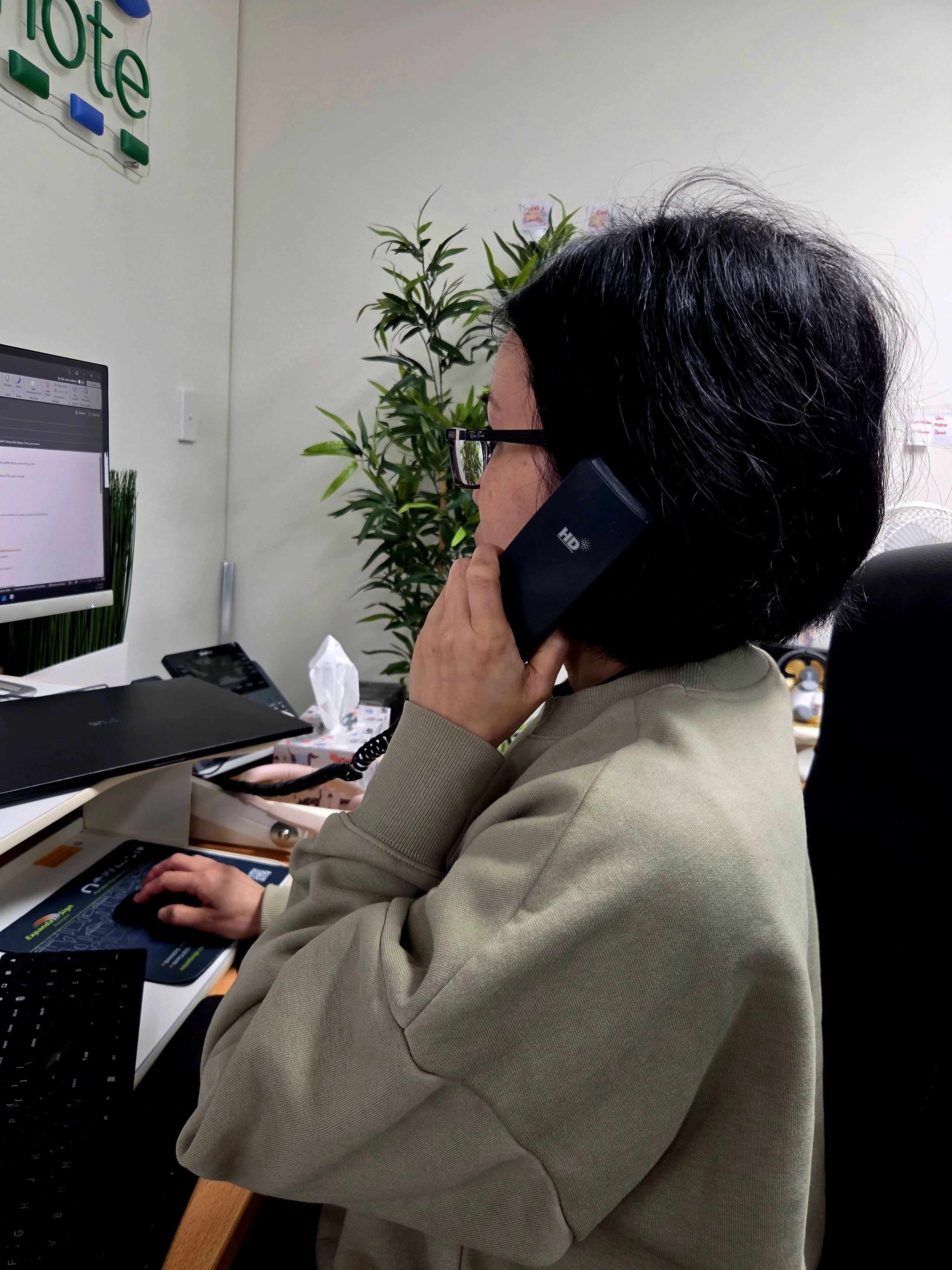
This survey was conducted and written for the benefit of our existing and potential customers who are considering ordering eco-friendly merchandise from us. In this survey, you will see if procurement managers from government agencies and large organisations are willing to pay for more sustainable items or not.
Survey Methodology
Key Findings at a Glance
- 14 of 26 buyers would pay up to 10% more for a sustainable or ethically sourced option.
- 18 of 26 buyers wanted clear information about materials, sourcing, or certification before paying a premium.
- Only 5 of 26 buyers were prepared to pay more than 10% extra.
- Government buyers focused more on documentation and procurement requirements, while corporate buyers emphasised budget and value.
A 10% Premium Is the Comfort Zone
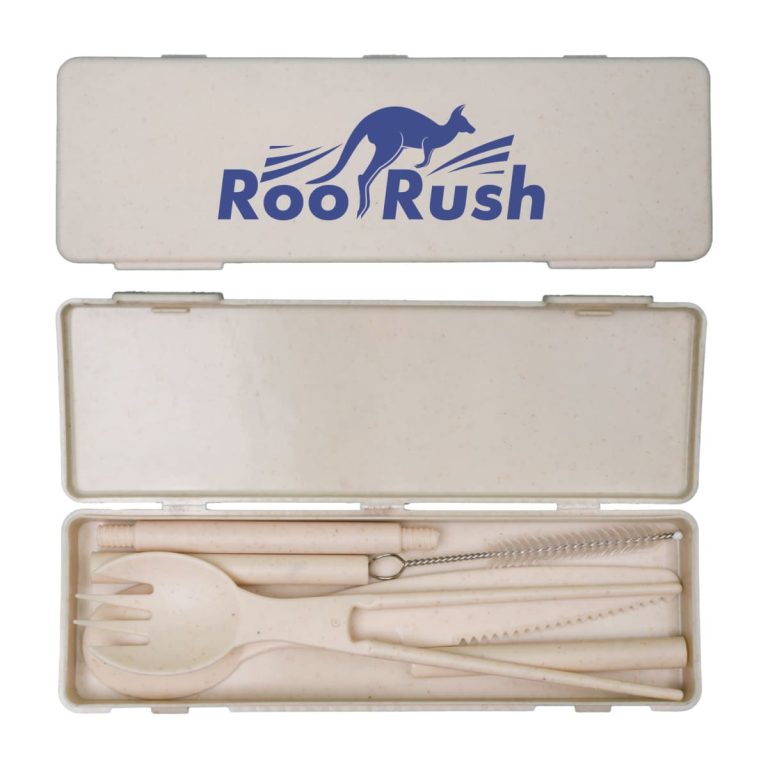
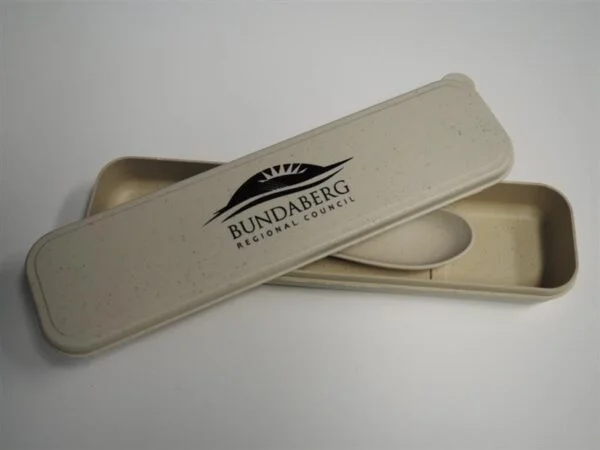
The procurement managers we interviewed were willing to pay 10% or more from their budget. Swami Rossat, one of our account managers, recalled a client who ordered reusable sporks at a higher price because they met certain needs. This matches our survey results: 14 out of 26 buyers said they would pay up to 10% more for a sustainable or ethically sourced option.
Interest dropped quickly when the extra cost went above 10%. Only 5 out of 26 buyers were willing to pay more, which shows that sustainability still needs to fit within the overall budget.

Evidence Makes the Premium Easier to Justify
When we asked them what detail from the item would justify the extra 10% they are willing to pay, they said: clear information about materials, a credible sourcing story, or recognised certification.
Five of the buyers we asked chose durability. For them, an item that stays in use for years beats one marketed as sustainable but quickly discarded. Metal bottles are one of the few items in our range I can think of when we talk about reusable, durable items.
Order Size Changes the Budget Conversation
Buyers generally supported sustainable merchandise, but their willingness to pay changed when they considered the total order value. For our potential clients, this means that procurement managers like you are willing to pay for the 10% extra when they are ordering in smaller quantities like 50 or 100. For over 1,000 units, the same percentage can trigger a much larger internal discussion. When budgets tightened, buyers said they were most likely to:
- Reduce the quantity
- Look for another sustainable option at a lower price.
- Simplify the product or branding.
- Ask whether the sustainability claim justified the premium.
- Go back to the standard option if the budget could not move.
So, the choice was not always between sustainable and non-sustainable products. More often, buyers looked for the most sustainable option that still fit their budget.
Government and Corporate Buyers Have Different Priorities
Government buyers focused more on proof, procurement rules, and solid sustainability claims. Corporate buyers were usually more flexible, but unit price, order size, and campaign fit still mattered to them. This difference shows how the wider procurement process works. If you’re buying for a government agency, we suggest you consider both the sustainability of the materials used, the quality, how well the product fits its purpose, total lifetime costs, and price when deciding what offers the best value.

Legal Context: Sustainability Claims in Australia
Under the Australian Consumer Law, environmental claims on a product’s sustainability must be truthful, accurate, and supported by reasonable grounds. The Australian Competition and Consumer Commission (ACCC) also advises businesses to consider the overall impression created by their words, logos, imagery, and any information they omit. So as a buyer, you should be able to see what makes it different and what evidence supports the claim. The ACCC recommends that businesses:
- Make environmental claims specific and accurate.
- Keep evidence that supports each claim.
- Avoid exaggerating environmental benefits.
- Explain important conditions or limitations.
- Use broad terms such as “green”, “eco-friendly”, and “sustainable” only when they are clearly supported.
Practical takeaway: If sustainability is part of the reason for paying a premium, ask for supporting documentation. This may include material composition, certifications, sourcing information, or other evidence. Read more expert tips from us in our Green Marketing Guides for Eco-friendly Items.
Survey Limitation: Intent Does Not Always Become Spend
These findings indicate that government organisations and large companies in Australia are willing to pay more to order environmentally-friendly merchandise. But several factors could influence this decision. Factors are:
- A large order makes even a small percentage increase worth thousands of dollars.
- Procurement may require several competing quotes.
- The buyer may support the sustainable option but not control the final budget.
- An internal approver may prioritise price differently.
- The standard product may already meet the brief perfectly well.
For brands looking to buy eco-friendly merch from us, these survey findings will help you decide whether you should spend more on the merch you’re planning to order or not.
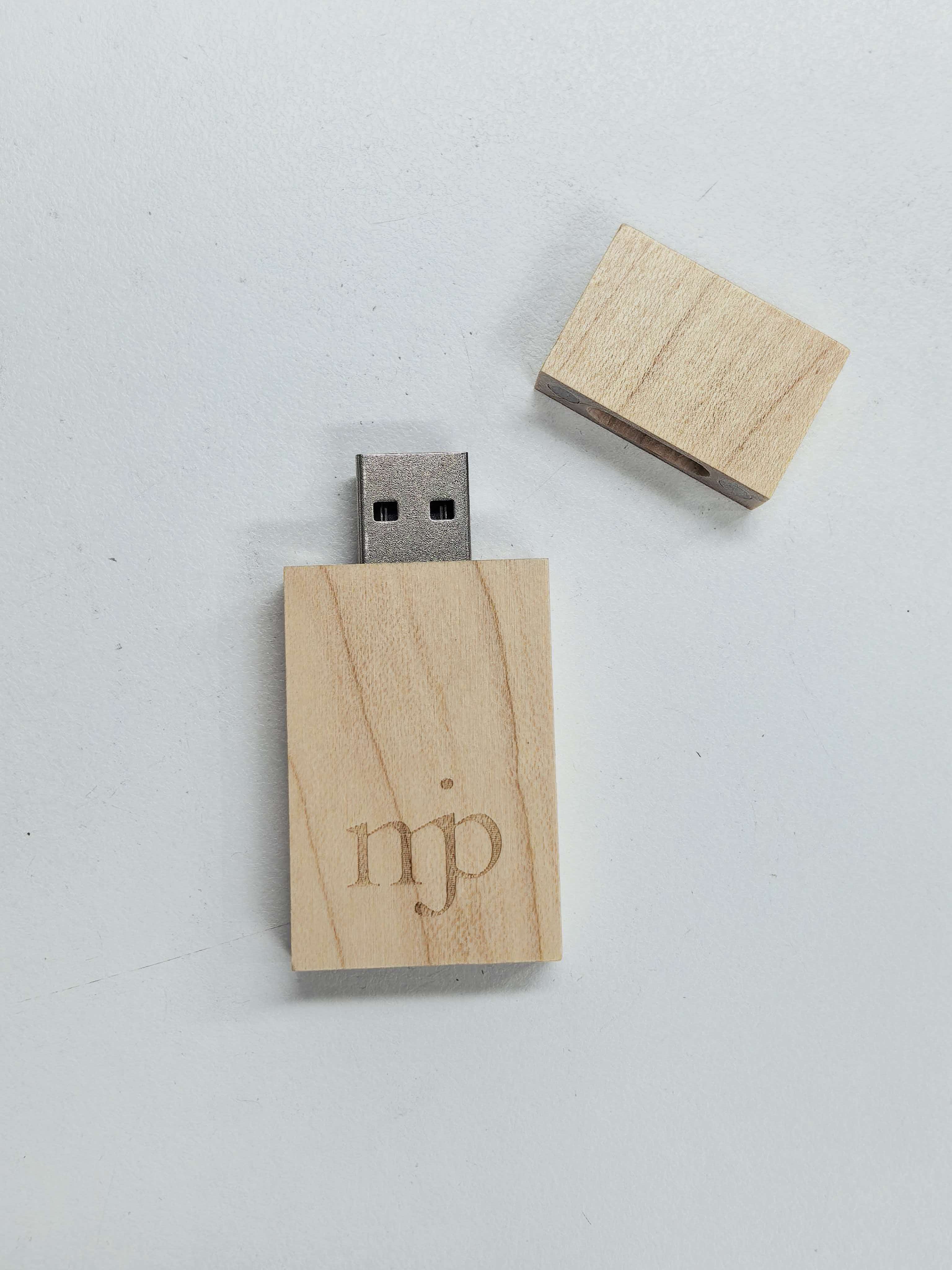
Decision Guide: When Is the Premium Worth Paying?
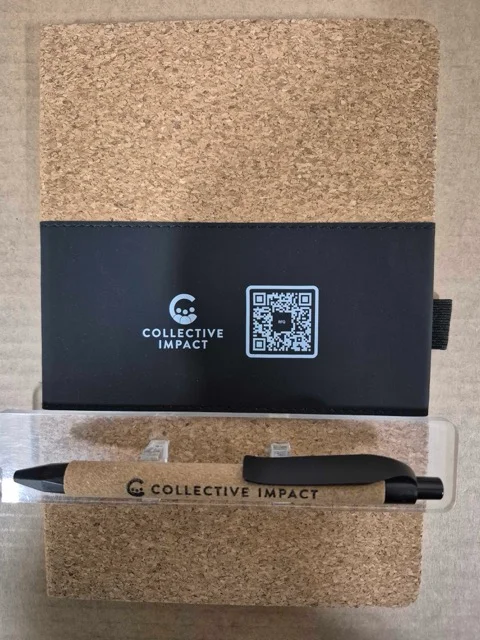
The best value usually comes when you get a clear sustainability benefit without going over budget. For example, a buyer might choose a recycled notebook that costs a bit more instead of switching to a different product or pay a small extra amount for a reusable bottle that will last for years.
Ready To Buy?