Survey: Which Promotional Products Make a Brand Look Cheap?
“Cheap” and “cheap-looking” are not the same thing. We have items priced under $5, like basic pens and tote bags, that still look great. On the flip side, even a more expensive product can fall flat if it feels flimsy, the print looks rough, or it feels over-branded. We surveyed 56 Australians over two weeks to better understand what people actually notice.
Survey Details
Key Findings
- 14 of 56 respondents chose pens as the product most likely to look cheap when the quality dropped.
- 12 of 56 respondents said thin or flimsy materials were the biggest sign that merchandise looked cheap.
- 37 of 56 respondents preferred one better-quality item over several cheaper ones.
- 40 of 56 respondents said product quality affects how they see the company behind it.
- Our results also mirrored recent APPA research across Australia and New Zealand.
Which Products Are Most Likely to Look Cheap?
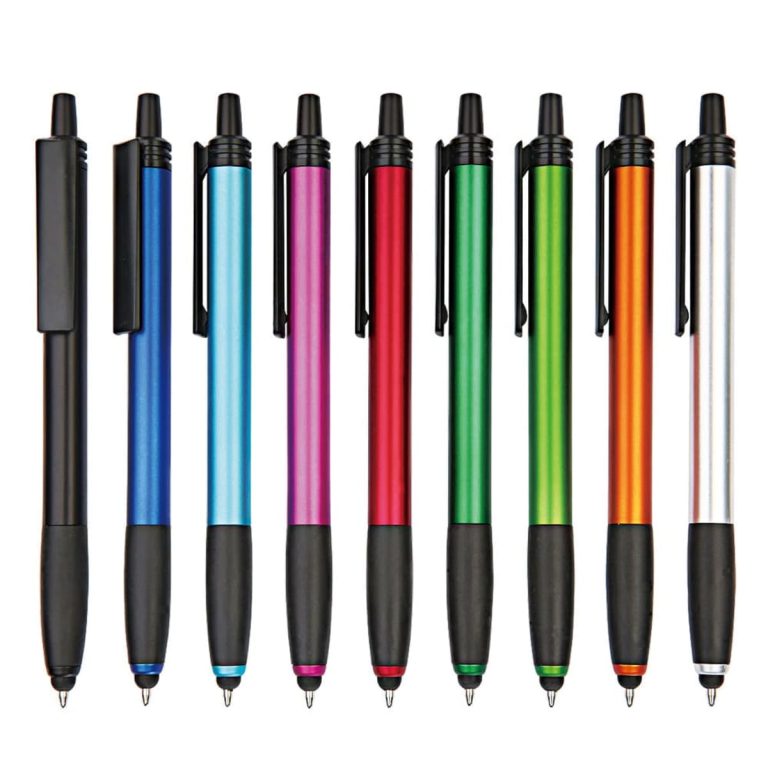
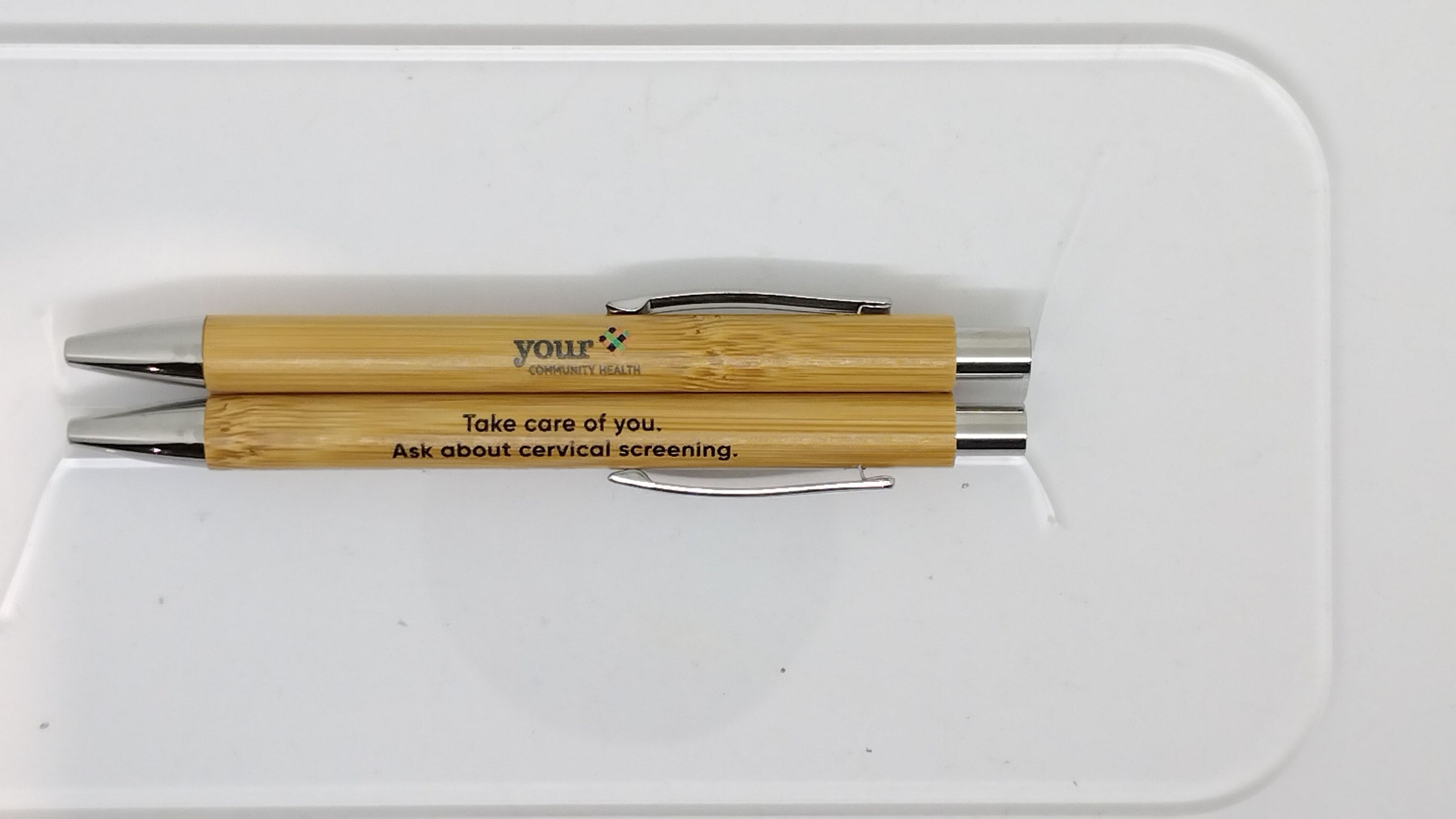
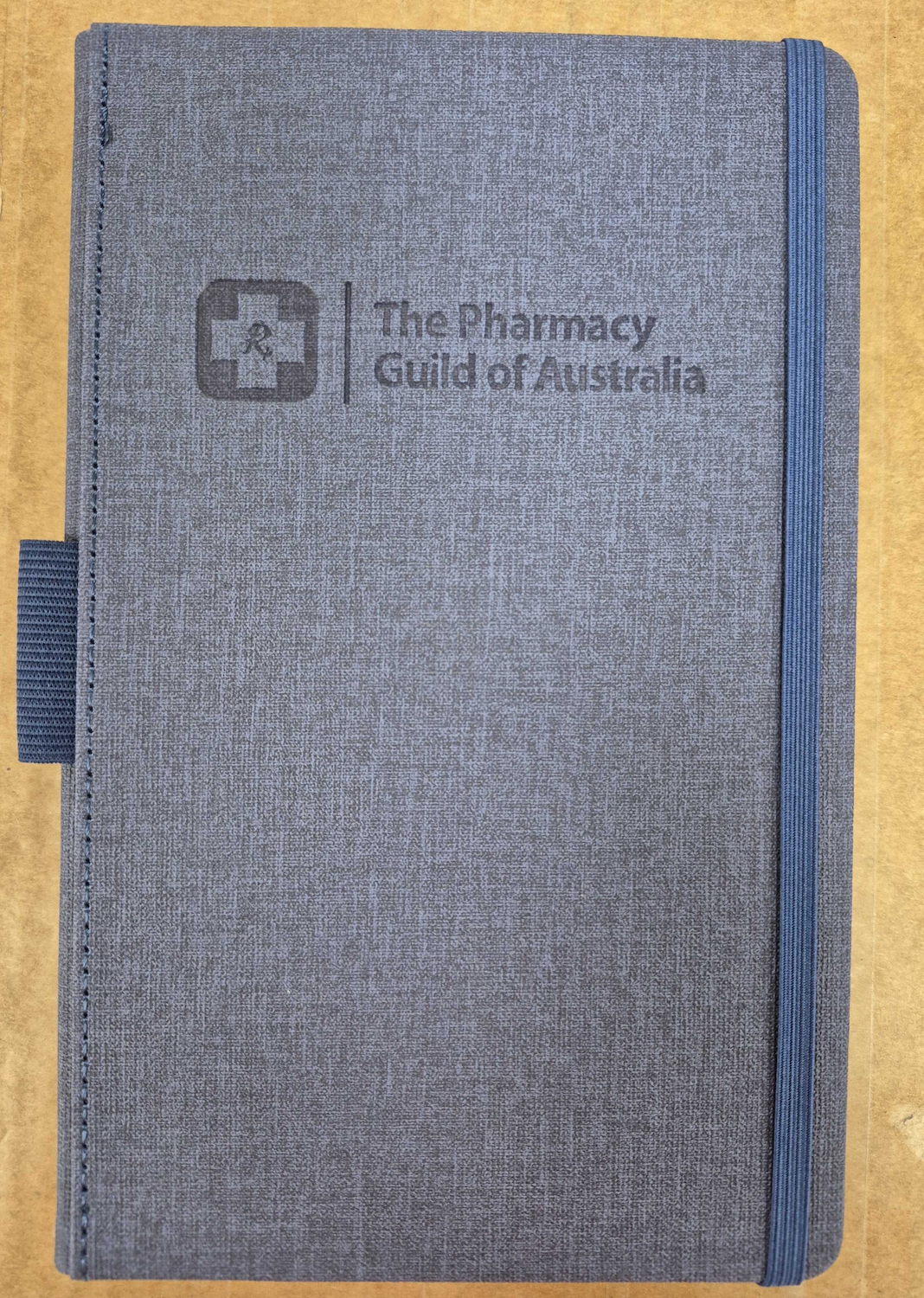
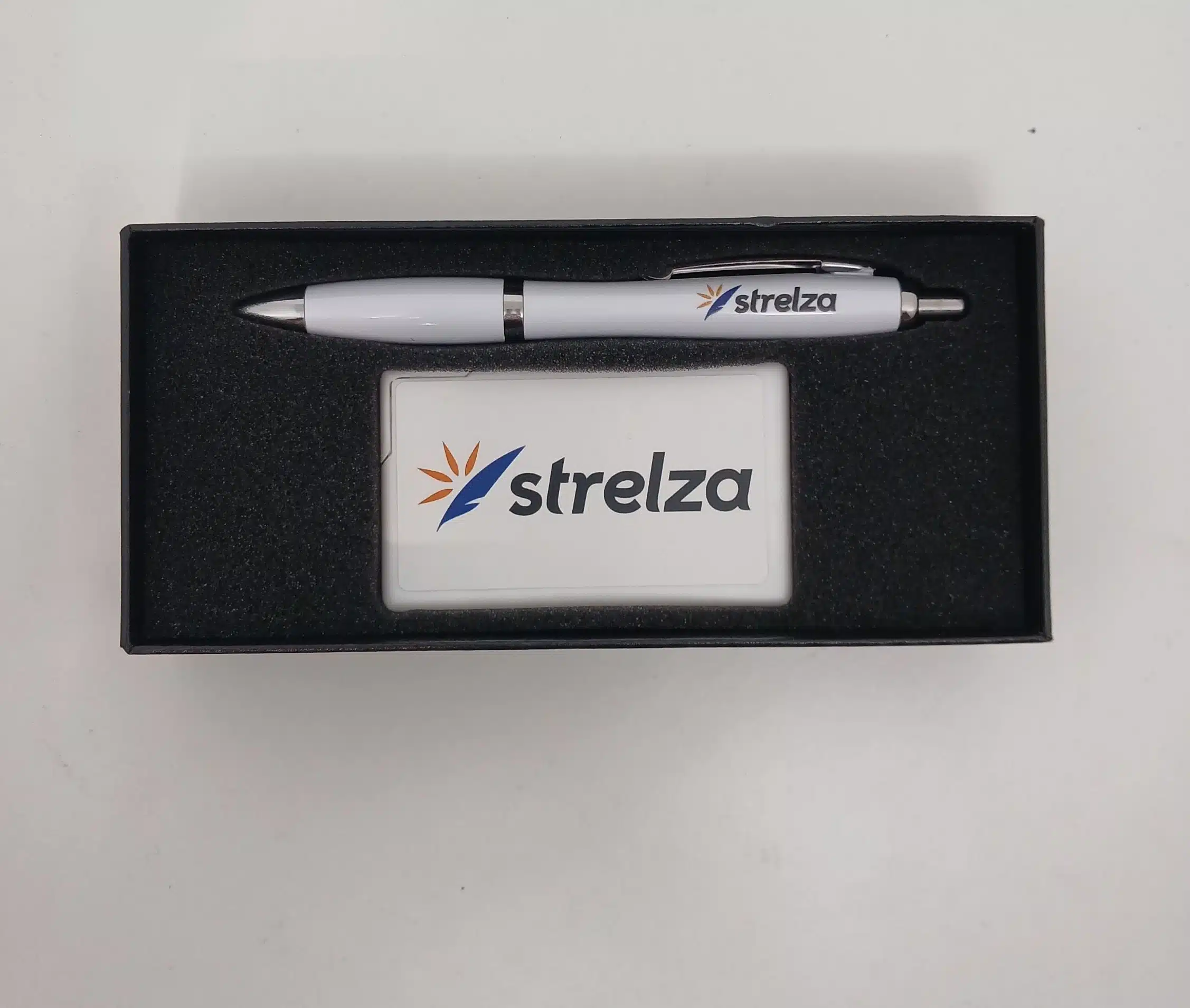
Our survey showed that pens and tote bags were much more likely to look cheap when the quality dropped. Katherine Durham, our Senior Creative Director, says that is partly because they are such familiar, straightforward products.
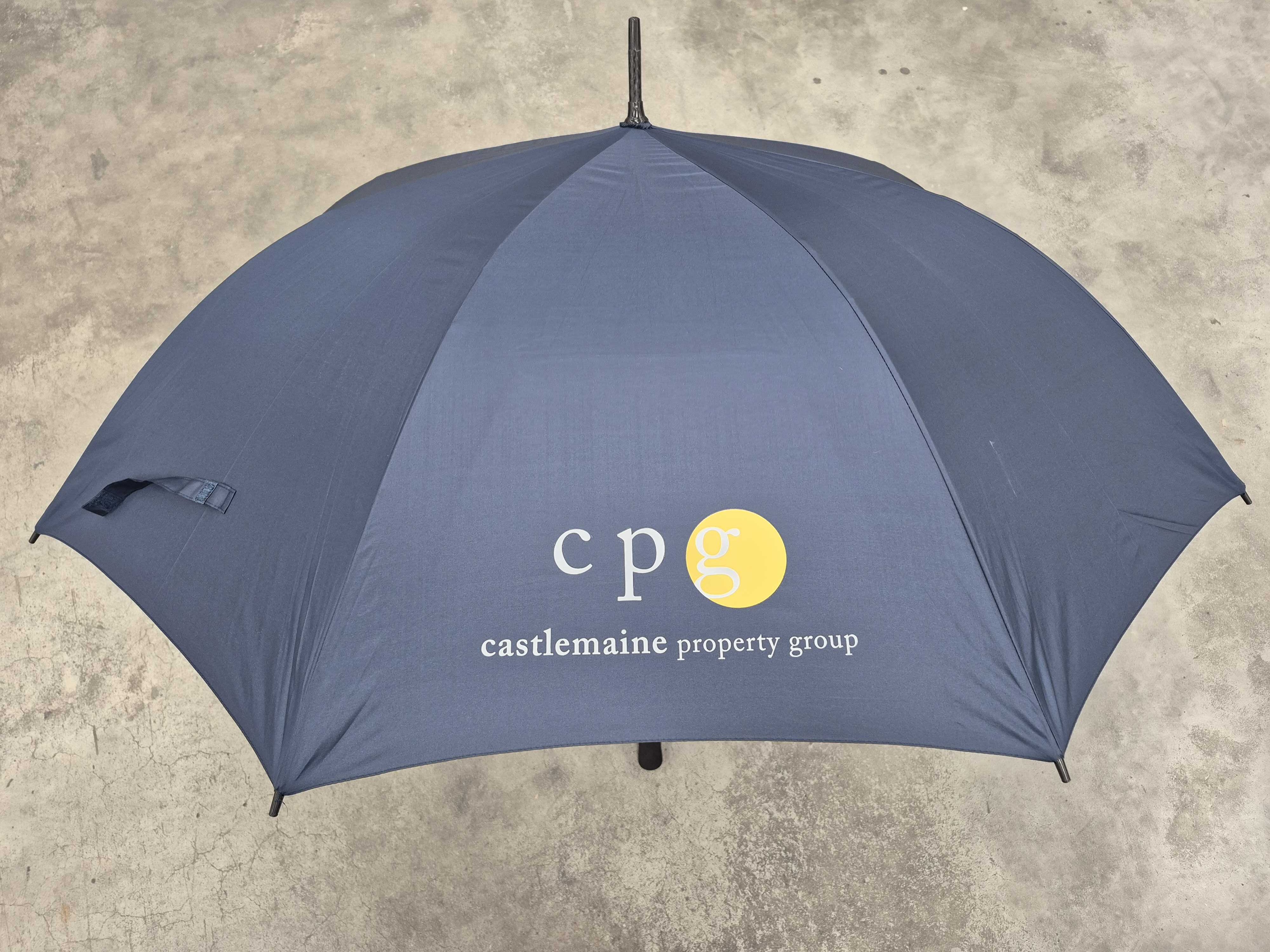
Notebooks and umbrellas were less likely to be judged as cheap-looking. With umbrellas, that may come down to Aussies’ priorities. But the other chosen items remain our top-selling items because of their practicality. As long as you work with suppliers like Cubic Promote who ensure all items from our catalogue work and look fine, even the low-cost giveaways won’t look cheap.
What Do They Look at When Judging Quality?
That same practical streak showed up again when we asked what made promotional merchandise feel cheap. According to our respondents, the feel and finish mattered more than anything else.
Oversized branding sat at the bottom of the list. That doesn’t mean branding is unimportant, but people seemed more forgiving of logo size than of something that felt flimsy or poorly made. For buyers, that is a handy reminder. You do not always need to jump into a premium price bracket. A simpler product with decent materials, clean decoration, and a solid finish can still look good without blowing the budget.
Does a Higher Price Mean Better Quality?
We also asked whether spending more automatically made a promotional product look better. The short answer was no.
25 of 56 Australians cared more about quality and finish than the price tag. Another 17 preferred a mid-priced product that felt well made, showing buyers don’t necessarily need to go straight to the premium end. Only 8 of 56 chose the premium-priced option simply because it costs more. Although paying more can get you a better product, the price tag alone will not make it feel premium. People still look at whether the product feels worth what they spent.
What Does Wider Australian Research Say?
Our findings line up with recent research from the Australasian Promotional Products Association
(APPA). In APPA’s 2025–26 research of 228 promotional product buyers and decision-makers across Australia and New Zealand, they found that price and quality were almost neck and neck when people chose a branded merchandise supplier.
26.3% nominated price as the most important factor, while 26.1% chose quality. This means that while buyers are watching their budgets, they are not necessarily chasing the cheapest option.
A separate APPA study of 399 recipients across Australia and New Zealand found that 86% said usefulness was the number one factor in whether they kept and used a branded product. We noticed the same thing in our own survey results.
We realised that people are happy to be sensible about price, but they still expect the product to feel worth keeping. Once it starts to look like the budget has been cut too far, the impression drops off.
What We Recommend Based on Our Survey
With the holiday season coming up, many businesses are starting to think about what to give clients, staff, and key partners. Our survey found that people would rather receive something useful and well-made than cheaper items they may never use.
What I Advise
For Christmas and year-end gifting, we would lean towards practical items people are likely to keep using, such as:
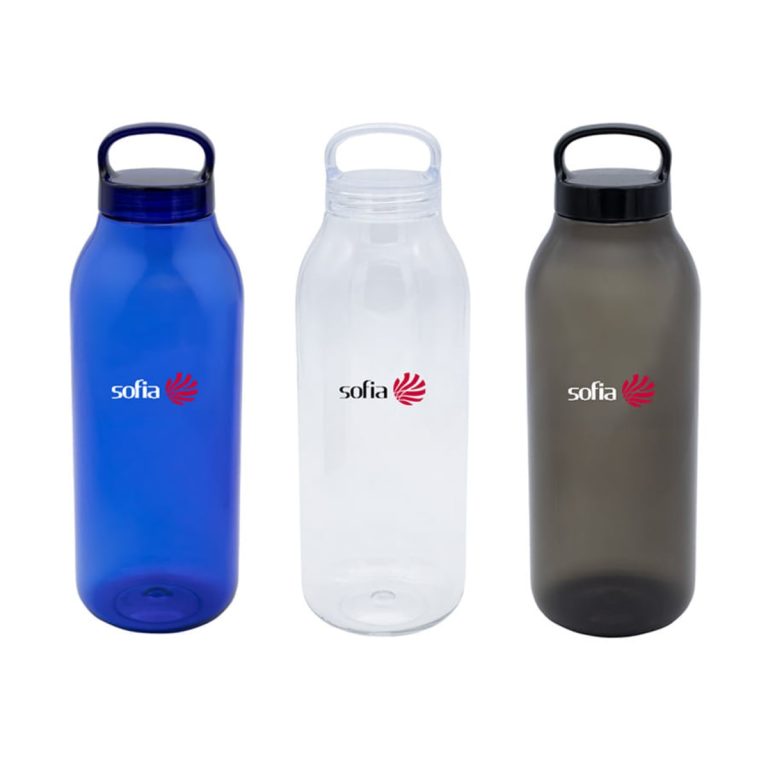
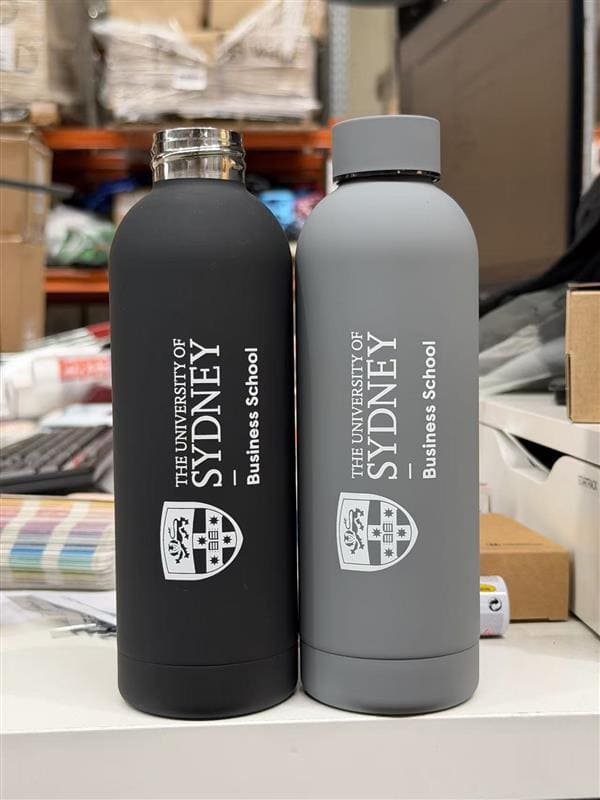
- Insulated drink bottles and tumblers
- Quality notebooks and 2027 planners
- Notebook and pen gift sets
- Canvas or cotton tote bags
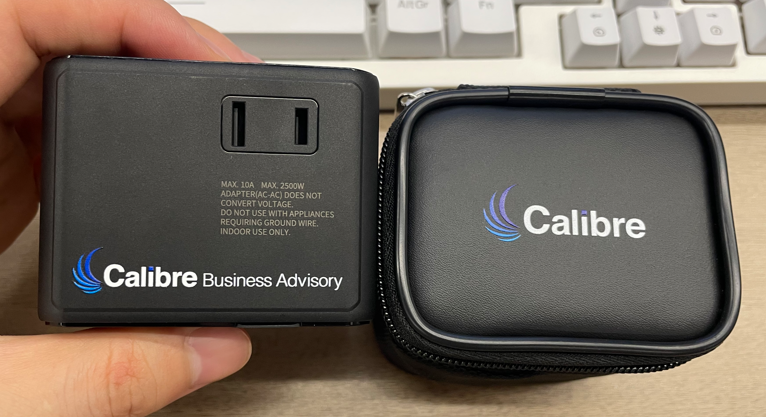
- Power banks and charging accessories
- Reusable coffee cups
- Backpacks or travel bags
- Umbrellas
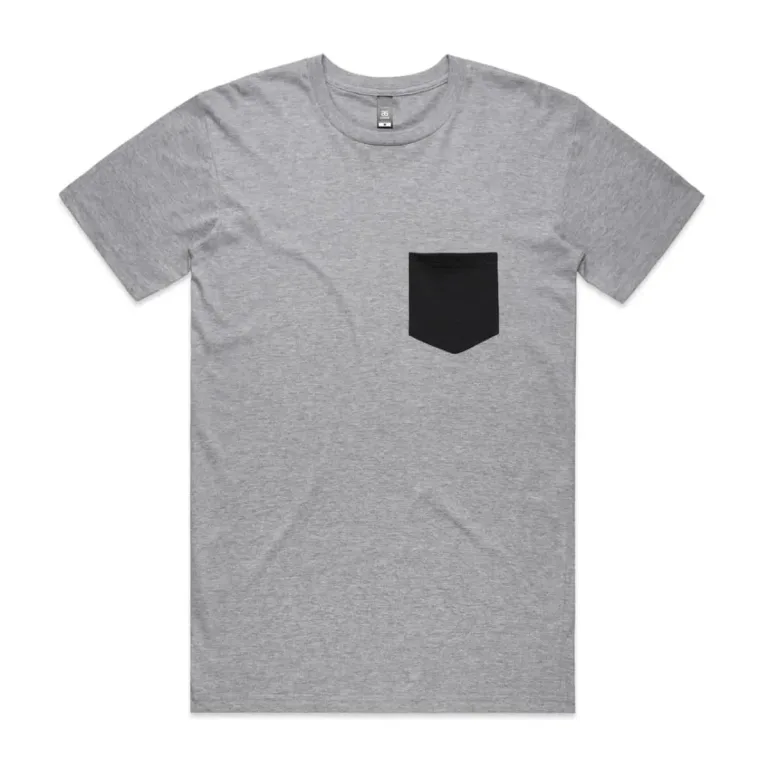
- Polo shirts or T-shirts where sizing is already known
- Small curated gift sets with two or three useful items rather than lots of fillers.
You do not need to blow the budget to give something decent. Pick one or two things people will actually use, make sure they feel well-made, and skip the fillers. If the gift is still getting used in 2027, you have probably made a good call.
Ready To Buy?