How Much Should a Business Spend on Branded Merchandise
Cost is one of the first questions we hear from new clients. While we can suggest quantities based on how you’ll use these giveaways and merch, the exact cost is hard to pin down. In this blog, we’ll share a method to help you decide on the right merch budget, based on the quantities and total costs we recommend for different events or marketing campaigns.
Start With the Job, Not the Number
I suggest you start with the purpose. Are you ordering merch for the whole financial year, including events and VIP clients? Is it for a specific campaign launch? Before you think about costs, ask yourself these three questions:
- Who is it for? Event attendees, customers, staff, partners, or prospects.
- How many people? Use a realistic number, not just an optimistic guess.
- What do you want to achieve? It could be visibility, loyalty, recognition, team spirit, or a specific campaign goal.
“I always ask clients for a budget up front,” says Charles Liu, Co-founder of Cubic Promote. “It’s not about spending all of it. When I know the range and what the items are for, I can often find products that deliver more than expected for less than planned.”
What Merch Typically Costs Per Unit
The cost per item is the biggest factor in the budget. The price ranges below are just a guide—final costs depend on how many you order, the decoration method, number of print colours, and shipping.
Costs Beyond the Product Itself
When setting a budget or comparing quotes, allow for:
- Setup and decoration charges, which differ between print, embroidery and engraving
- Extra print colours or positions, such as a front logo plus a back message
- Freight, particularly for bulky items or regional delivery
- Samples or pre-production proofs on larger or premium orders
- Express production if the timeline is tight
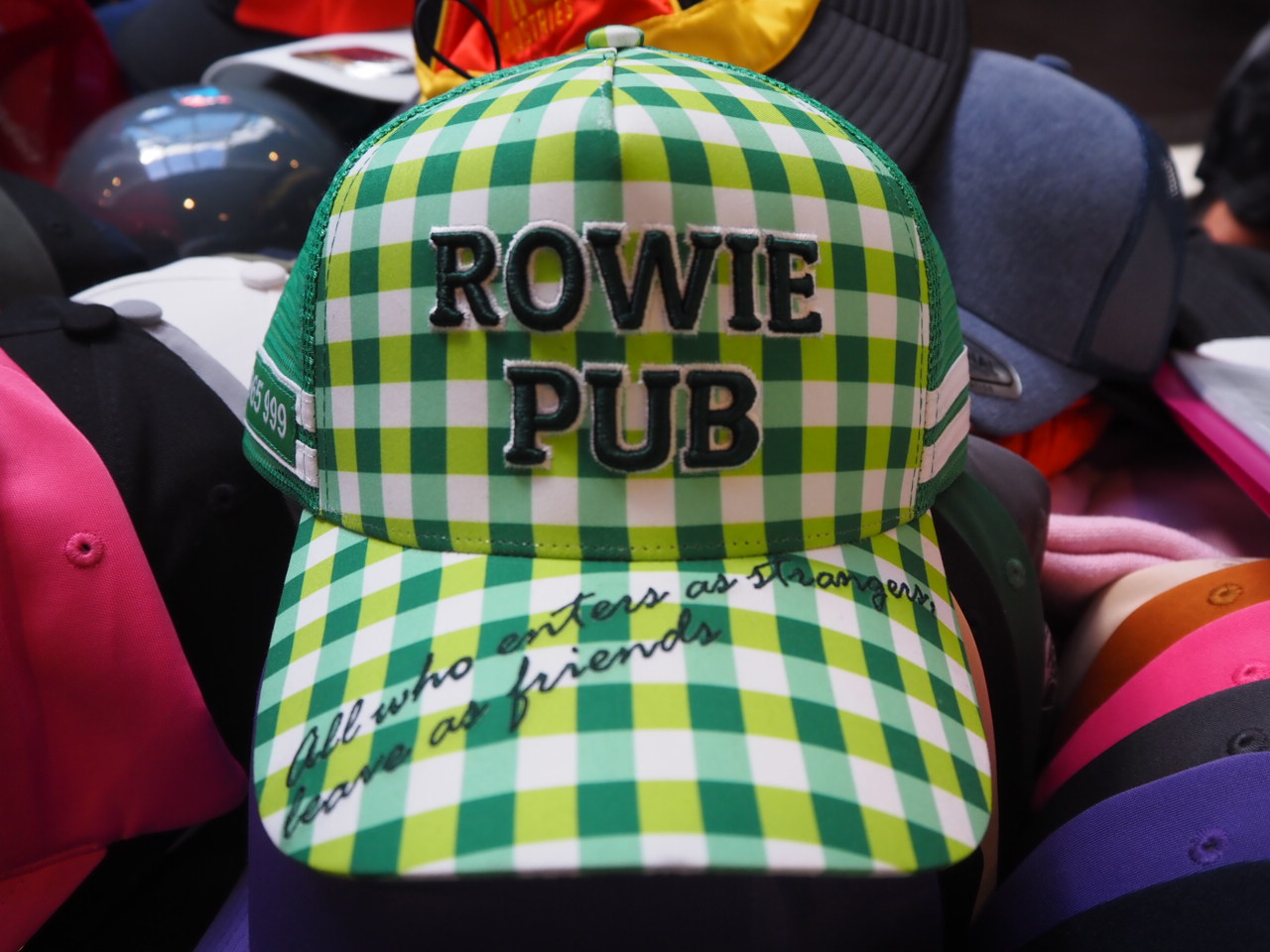
Illustrative Budgets by Business Type
These examples show how annual budgets often look in practice. They’re meant to guide you, not set strict rules, and they reflect the mixes we see most often.
Splitting the Budget Across Uses
Once you know your total budget, split it by purpose instead of spending it all on one order. For small and medium businesses, a typical starting split looks like this:
Adjust the split to fit your business. For example, a consultancy might focus more on client gifts, while a trades business could spend most of its budget on uniforms.
Think in Cost Per Use
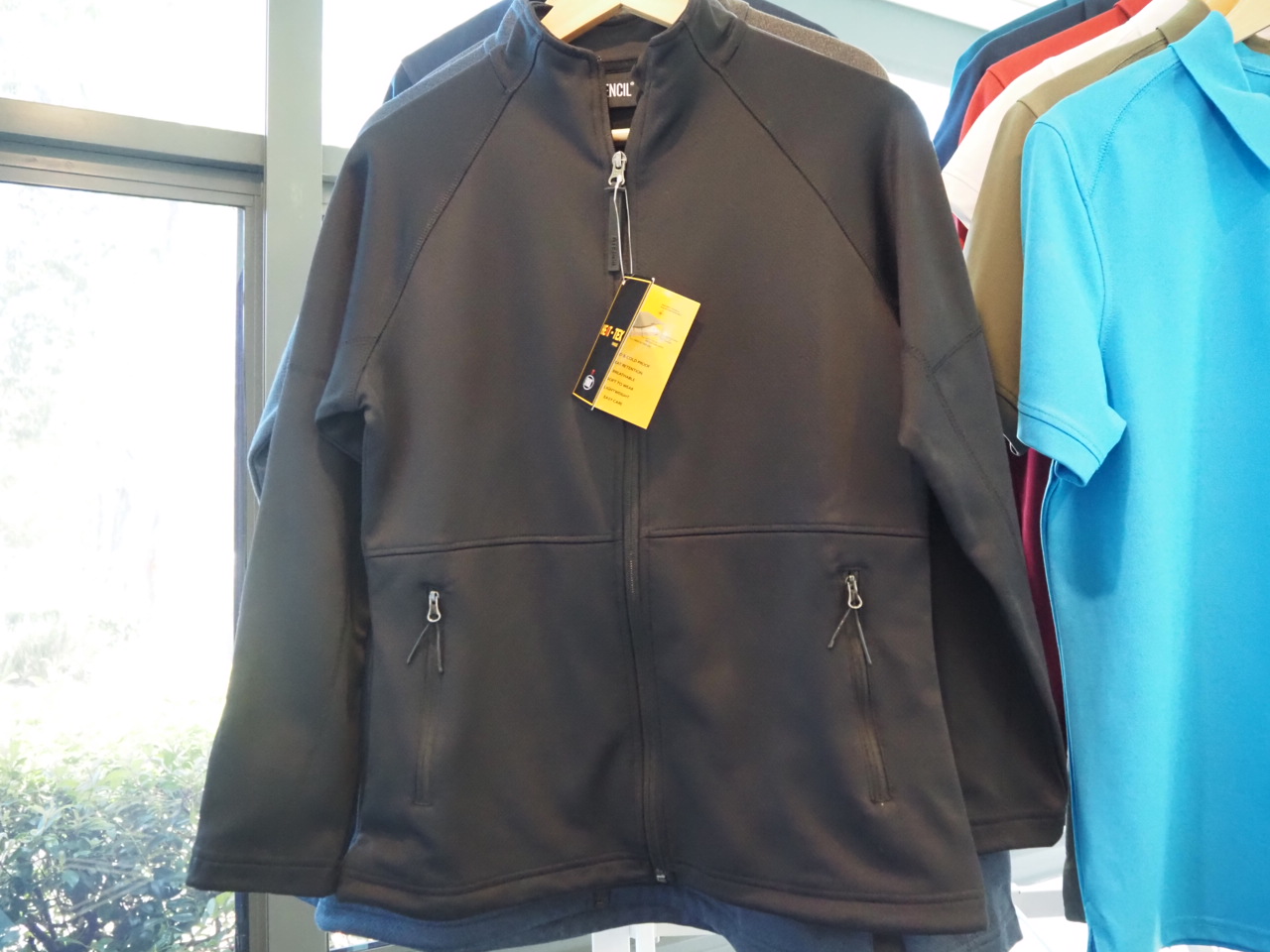
A useful way to judge value is to consider how often an item gets seen or used. A cheap pen that lasts a few weeks may deliver less exposure than a drink bottle carried every day for a year.
Regina Mangubat, one of our account managers, finds this reframes the conversation. “When clients look at how long an item stays in use, they often choose fewer, better products,” she says. “Drink bottles, apparel, and umbrellas are good examples. They’re used constantly, so the logo keeps working.”
Answers to Common Questions
Should we spend more per unit or order more units?
For customers and staff, fewer quality items usually outperform lots of cheap ones. Low-cost, high-volume items still earn their place at busy expos.
Is a bigger order always cheaper?
The price per item usually drops with bigger orders, but the total cost might not be lower. Extra stock can take up space and may become outdated if you update your branding.
When should we set the budget?
It’s best to set your budget at the start of your financial year and include a calendar of planned events. This gives your account manager time to find the best deals without having to rush.
What if we have no idea where to start?
Tell your account manager your purpose, audience, and a rough budget range. A quote based on real goals is always better than a random estimate.
Arriving at Your Own Number
A good merchandise budget fits your audience, your goals, and how often you want your brand to be seen throughout the year. Start by thinking about what each item should do, include all costs, and leave some room for unexpected opportunities.
Ready To Buy?