Ways to Get More Referrals Without Awkwardly Asking for Them
Last Updated: 6 July 2026
The best referrals happen when happy clients find it easy to talk about your business, not when you have to beg for them. Many businesses avoid asking for referrals because they worry about sounding pushy. Others ask too late, too vaguely, or approach the wrong person. This article shares practical ways to get more referrals without awkward conversations. We’ll cover timing, referral prompts, thank-you systems, partner introductions, post-project follow-up, review strategies, and when to use branded appreciation gifts.
This advice is for Australian B2B companies, professional services, suppliers, agencies, consultants, trades, event businesses, and any organisation that relies on trust-based recommendations.
Why do referral requests feel awkward?
Referral requests feel awkward when they focus on what the business wants, not on what the client can easily do. A better request is specific:
- “Do you know another HR manager planning onboarding packs this quarter?”
- “Is there another campus team that would benefit from the same event setup?”
- “Would it be useful if I sent a short intro blurb you can forward?”
- “If another department asks who helped with this, are you comfortable sharing our details?”
When is the best time to encourage referrals?
The best time to ask for a referral is after your client has had a clear win. Regina Mangubat, one of our account managers, asks for a referral after we received great feedback from them. For example, a client ordered merch for an event, and the event was successful. Good referral moments include:
- The client says they are happy with the result.
- The order arrives on time before an important event.
- Their manager compliments the outcome.
- They reorder.
- They leave a positive review.
- They ask for advice beyond the original scope.
- They introduce another internal stakeholder.
Aside from making sure your clients are happy with their orders, having a good track record is crucial. Cubic Promote had an average rating of 4.95 out of 5 on online review platforms and responded to clients within an hour during business hours from Jan 2025 to Jan 2026. These details matter because referrals usually come after clients experience trust, quick responses, and a smooth process.
How can you make referrals easier for clients?
Most clients will not write your pitch for you. Give them something easy to forward. Create a referral kit with:
- A two-sentence description of what you do.
- A short case-study summary.
- A contact name and email.
- A calendar booking link.
- A one-page service or product overview.
- Optional thank-you note for the referrer.
Example referral blurb:
“Cubic Promote helped us organise custom-branded event products for our conference and made the process straightforward from quote to delivery. You can contact their team if you need promotional products, uniforms, or corporate gifts for an upcoming campaign.”
This approach works for any business. Keep your introduction message short so clients can forward it without needing to edit.
What should you give as a referral thank-you?
A referral thank-you should be thoughtful but not over the top. It should show appreciation without making the referral feel like a business deal.
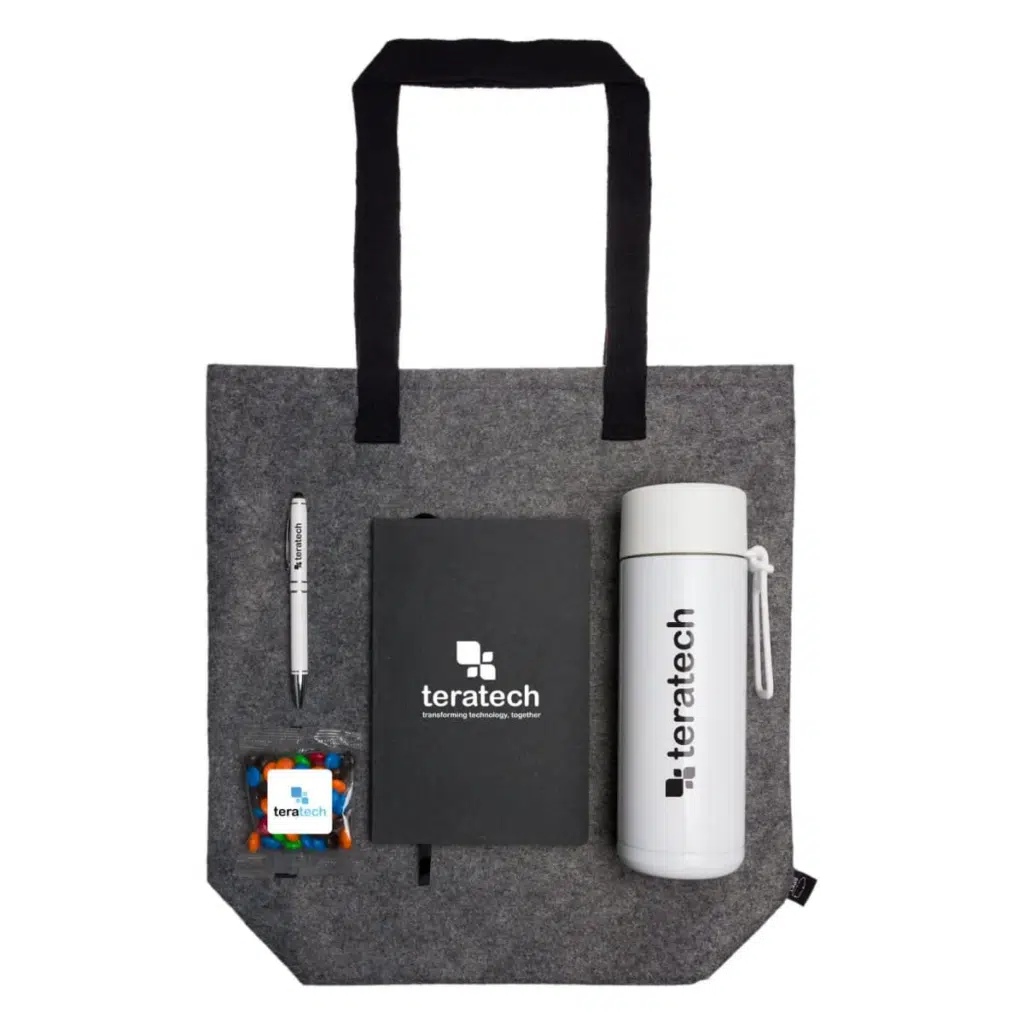
Good thing we have account managers like Mary Aguirre Cruz, who is an expert on building strong client relationships and making things easy and stress-free. So, when you order corporate gifts for your clients (referrers), she takes the time to understand your needs and recommends products that align with their brand, budget, and goals. Referral thank-yous should follow this approach. The gift should match the relationship and situation, not just show off a logo.
How can branded products support referrals?
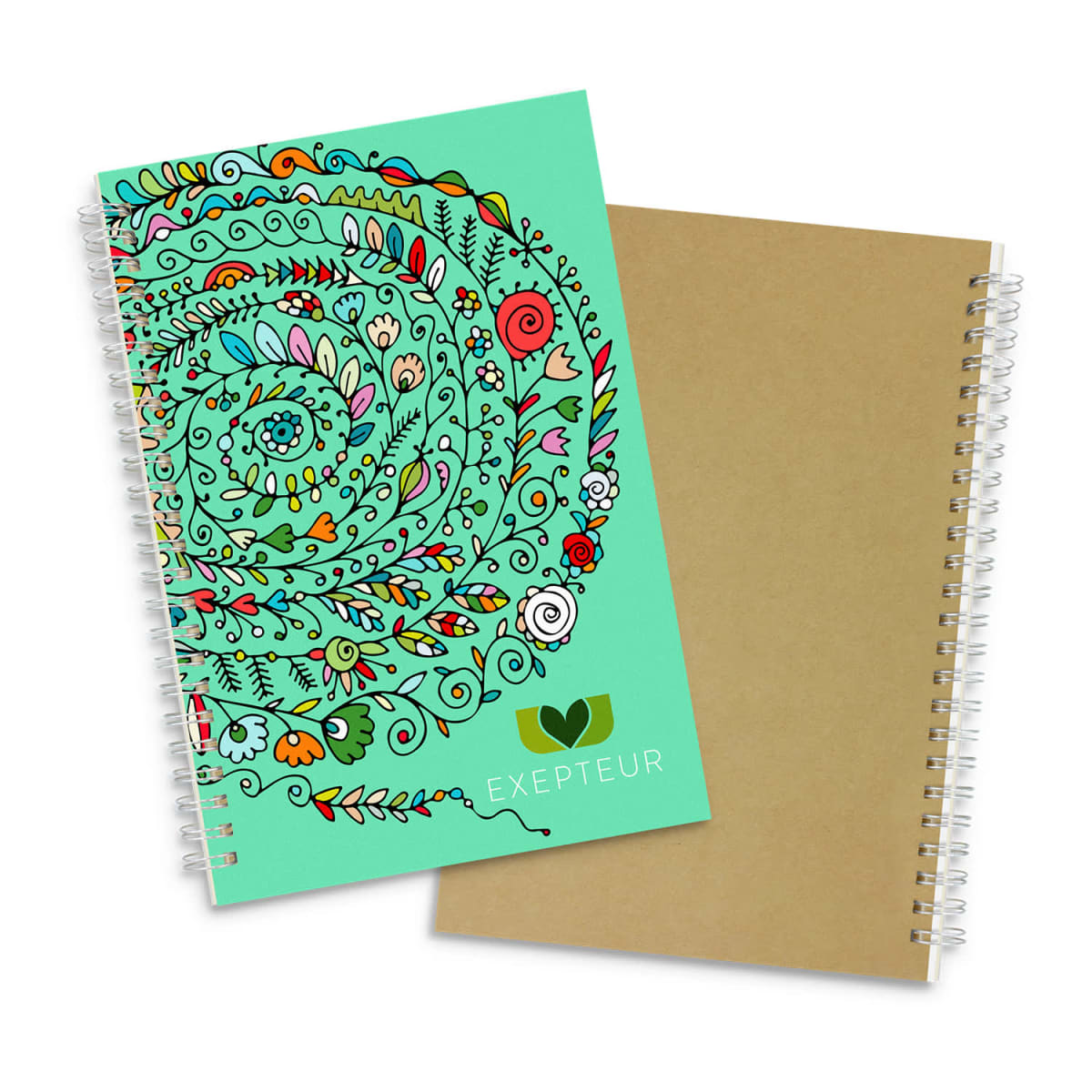
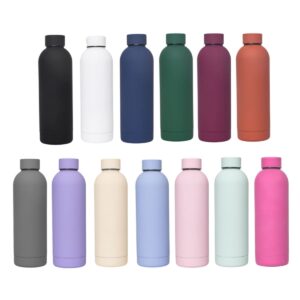
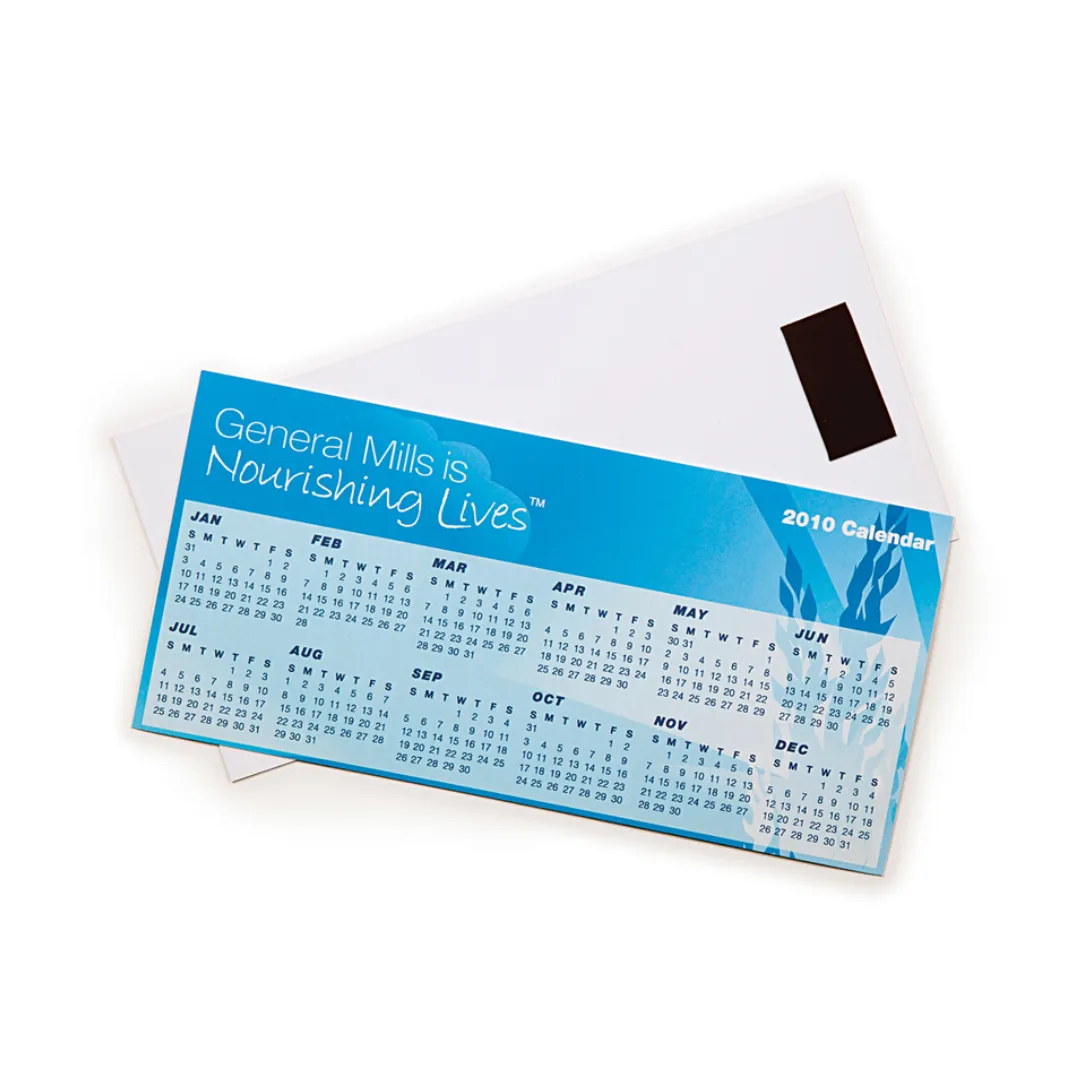
Corporate gifts and merchandise can help drive referrals when they keep your business top of mind when someone asks for a recommendation. They should not be used as a bribe.
Useful referral-support items include:
How do you ask for referrals without sounding pushy?
Use language that lets the client feel comfortable saying no. Your tone should be helpful, not demanding. Try these scripts:
- “You mentioned another team may be planning a similar project. Would it be useful if I sent a short summary you can forward?”
- “I’m glad the event went smoothly. If another department ever needs the same support, you’re welcome to pass on my details.”
- “Would you be comfortable if I included a short line in my follow-up that you can share internally?”
- “No pressure at all, but if someone asks who supplied these, I’m happy for you to share my contact.”
How can reviews lead to referrals?
Reviews and referrals are linked. When a client leaves a positive review, they’ve already shown trust in your business. That’s a good time to ask for a referral.
A simple sequence:
| 1 | Thank the client for their order |
| 2 | Ask whether they are happy with the result |
| 3 | Invite a review if feedback is positive |
| 4 | Send a short referral blurb they can forward |
| 5 | Thank them personally if an introduction happens |
Make sure your client is truly satisfied before asking for a referral. Otherwise, it can come across as presumptuous.
What mistakes stop referrals?
Referral systems don’t work well if they are inconsistent or focused only on your needs.

Avoid these mistakes:
- Asking before the client has seen results.
- Sending a long paragraph that they cannot forward.
- Making the referral reward feel like a sales commission.
- Forgetting to thank the referrer.
- Treating all referrals the same.
- Asking during a service issue.
- Making the client explain your business from scratch.
- Waiting months after the positive moment.
You don’t have to awkwardly ask every client for referrals. Focus on creating moments people want to recommend, make introductions easy, ask at the right time, and thank people properly. Branded gifts can help, but the real driver is a client who feels remembered, respected, and confident sharing your name.
Feel free to contact us for custom branding options, a quote, or to set up a meeting with our experts.
Ready To Buy?