Ways to Thank Donors and Keep Them Coming Back Next Year
Thanking your donors and making sure they perceive your “thank-you” as genuine and intentional is one crucial way to keep them coming back. They usually stop when the thank-you comes too late, feels unclear, or doesn’t show the impact they made.
In this blog, we’ll share the ways and gifts for charities, schools, clubs, foundations, and not-for-profits to thank their donors and encourage them to donate again. We’ll also look at timing, handwritten notes, impact updates, recognition gifts, event follow-ups, and useful gifts.
What makes a donor thank-you feel genuine?
Sometimes, a simple thank-you won’t do. A real thank-you to a donor does three things quickly: it recognises the person, explains what their support made possible, and helps them feel connected to what comes next. A weak thank-you might say, “Thank you for your generous donation.” A better one says, “Your $250 contribution helped cover student transport for last Friday’s regional workshop.” The second example gives the donor something specific to remember.
When should you thank donors?
The first thank-you should be sent quickly. Ideally, donors get a thank-you within two business days. Later, you can follow up with more appreciation after the campaign, event, or project is finished.
A practical donor timeline looks like this:
Ariane Milarpez, an account manager, prefers phone calls because they feel more personal and help her understand what people really want. This same value applies to thanking your donors. If they feel more cared for through calls, do not hesitate to call (especially if it’s a long-time donor).
What should you say in a donor thank-you message?
It should be brief, clear, and personal. Try not to use wordings that feel like a tax receipt. You may follow this structure in your letters or greeting cards:
- Name the donor or organisation.
- Mention the campaign or event.
- Explain the specific impact.
- Include one warm sentence of appreciation.
- Tell them what happens next.
Example:
“Thank you for supporting our winter food drive. Your donation helped us prepare emergency grocery packs for local families in Western Sydney this week. We will share a short campaign update once distribution is complete, so you can see the difference your support made.”
For corporate donors, add one line about the partnership:
“Your team’s support helped us keep the program moving during a high-demand period, and we appreciate the trust you placed in our organisers.”
What donor gifts feel thoughtful instead of wasteful?
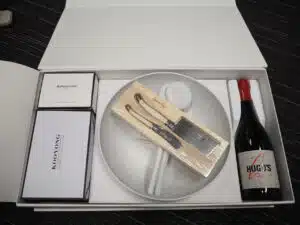
Donor gifts should not seem like the charity spent money just to impress. The best options are practical, modest, and related to the cause.
Ariane always mentions that one of her favourite clients to handle is charities. With her experience managing orders for local charities, she recommends making sure the item aligns with your cause. For example, the charity aims to help children who were subjected to violence. Ariane recommends wellness gift boxes, but they must be printed with a slogan.
How can donor recognition help next year’s campaign?
Donors are more likely to give again if they remember being treated well. A good recognition plan leaves them with a positive memory before you ask for support next time. Try these retention ideas:
- Send a “you made this possible” email before asking again.
- Invite previous donors to see campaign results first.
- Create a simple supporter badge for businesses to display online.
- Give corporate donors a short impact summary they can share internally.
- Recognise volunteers and donors separately, because their motivations may differ.
- Keep a record of who prefers public recognition and who prefers privacy.
Good thing we have account managers like Shealeigh Keeney, who has years of experience working with community-focused projects. She likes community-focused, meaningful projects, especially when merchandise supports culture, connection, and storytelling. For not-for-profits, this is a good reminder: recognition should help tell the cause’s story, not overshadow it.
What mistakes make donors less likely to return?
Donor appreciation can fail even when the intention is good. Avoid these mistakes:
- Sending only a tax receipt and calling it a thank-you.
- Waiting months to explain the outcome.
- Giving every donor the same message.
- Publicly naming donors without permission.
- Spending too much on gifts when donors expect funds to support the cause.
- Asking for the next donation before properly acknowledging the last one.
- Forgetting volunteers who contributed time instead of money.
Our Advice
The best donor thank you is quick, specific, and shows the impact. A useful gift can help, but the message is more important than the gift. Show donors what they made possible, respect their recognition preferences, and make next year’s support feel like a natural next step. Get in touch with our team to explore gifts and greeting card options for your donors!
Ready to Buy?