
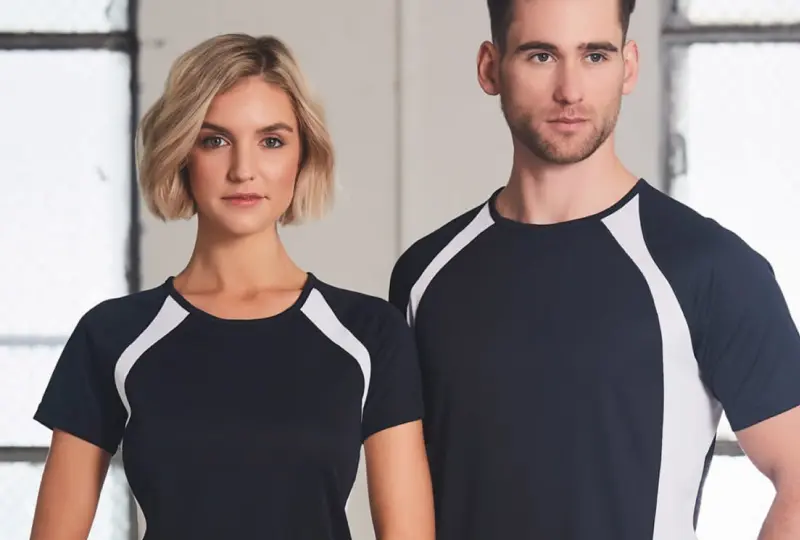
What Are Cool Dry Shirts?
Last Updated: 8 May 2026
Key Points
- Cool dry shirts are made from moisture-wicking polyester fabrics that help sweat dry faster and keep people cooler and more comfortable.
- Compared to cotton shirts, cool dry shirts dry quicker, stay lighter when wet, resist wrinkles, and usually last longer with regular use.
- Things like fabric weight, breathability, sizing, durability, and branding compatibility can make a big difference when choosing cool dry shirts for teams or events.
Cool dry shirts are made using performance-focused synthetic fabrics, most commonly polyester or polyester blends. These fabrics are engineered to manage moisture, regulate temperature and handle frequent wear. Unlike traditional cotton shirts, cool dry shirts are designed to move moisture away from the body, allowing sweat to evaporate quickly rather than soaking into the fabric.
You may also hear them called:
- Moisture-wicking shirts
- Performance shirts
- Activewear polos
- Sports or training shirts
While the terminology varies, the underlying fabric technology is the same.
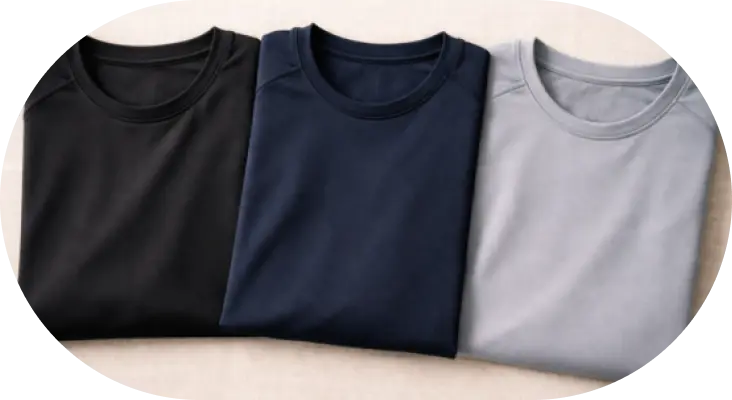
What Fabric Are Cool Dry Shirts Made From?
The majority of cool, dry shirts are made from 100% polyester, though some include blends for added stretch or softness. The real difference lies not just in the fibre, but in how the fabric is constructed and finished.
Key Fabric Features
- Synthetic fibres that resist moisture absorption
- Microfibre construction that pulls sweat from the skin
- Breathable knit patterns such as mesh or pique
- Quick-dry treatments applied during manufacturing
Because polyester does not absorb moisture like cotton, sweat spreads across the surface of the fabric and evaporates faster — keeping the wearer dry and comfortable.
Cool Dry Shirts vs. Cotton Shirts
| Feature | Cool Dry Shirts (Polyester) | Cotton Shirts |
|---|---|---|
| Moisture control | Wicks sweat away | Absorbs sweat |
| Drying speed | Very fast | Slow |
| Weight when wet | Lightweight | Heavy |
| Breathability | High | Moderate |
| Durability | Excellent | Moderate |
| Wrinkle resistance | High | Low |
| Colour longevity | Strong | Can fade |
| Best use | Heat, activity, uniforms | Casual wear |
What Fabric Are Cool Dry Shirts Made From?
The majority of cool, dry shirts are made from 100% polyester, though some include blends for added stretch or softness. The real difference lies not just in the fibre, but in how the fabric is constructed and finished.
Key Fabric Features
- Synthetic fibres that resist moisture absorption
- Microfibre construction that pulls sweat from the skin
- Breathable knit patterns such as mesh or pique
- Quick-dry treatments applied during manufacturing
Because polyester does not absorb moisture like cotton, sweat spreads across the surface of the fabric and evaporates faster — keeping the wearer dry and comfortable.
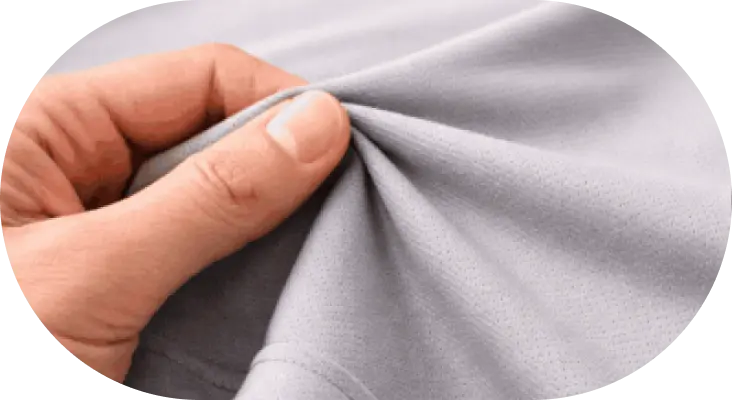
Benefits of Cool Dry Shirts
When you’re purchasing for a team or organisation, these advantages go beyond comfort.

Comfort That Encourages Wear
If people feel comfortable, they’re far more likely to:
- Wear the shirt regularly.
- Keep it long-term
- Represent your brand positively.
From a branding perspective, a shirt that’s worn delivers far better ROI than one that isn’t.
Resists Peeling and Cracking
This type of shirt is known to hold the print colour well and resists cracking or peeling even after repeated washing. It works well with branding techniques such as:
- Screen printing
- Heat transfer
- Sublimation (especially for full-colour designs)
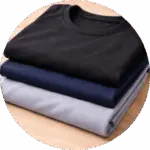
Low Maintenance for End Users
From an HR or procurement standpoint, fewer care issues mean fewer problems.
Cool dry shirts:
- Wash easily
- Dry quickly
- Rarely need ironing
- They are less prone to odour when properly cared for.
This makes them practical for busy staff, volunteers, and event participants.
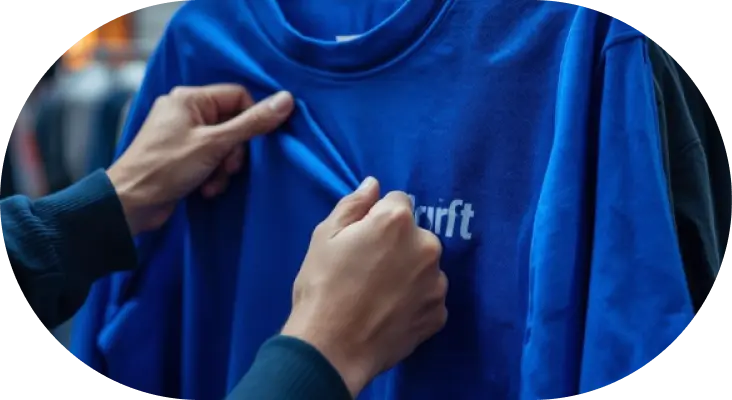
Are There Any Disadvantages?
Before locking in on this type of shirt, it’s important to weigh in the downsides.
Possible Limitations
- Feel: Some people prefer the natural softness of cotton.
- Heat retention is low quality: Poor-quality polyester can trap heat.
- Static: More common in dry conditions
- Environmental concerns: Polyester is synthetic, though recycled options are improving
How to Care for Cool Dry Shirts
To maximise lifespan and appearance, it helps to share basic care advice:
Wash in cold water
Avoid fabric softeners
Hang dry or use low heat.
Avoid ironing directly over logos.
Proper care protects both the fabric and the branding.
What to Consider Before Ordering (Checklist)
| Checklist Item | What to Check | Why It Matters |
|---|---|---|
| Fabric weight & breathability | Look at GSM, knit type (mesh, pique, birdseye), and airflow | Too light can feel flimsy; too heavy can trap heat. The right balance improves comfort and wear rates in hot conditions. |
| Moisture-wicking performance | Confirm the fabric is designed to move sweat away from the body | True cool dry fabrics dry faster and stay comfortable; basic polyester may not perform the same way. |
| Fit options | Availability of men’s, women’s, and unisex cuts | Proper fit improves comfort and appearance, reducing sizing complaints and returns. |
| Size range & stock continuity | Consistent sizing across XS–5XL and reliable ongoing stock | Essential for reorders, new starters, and replacing worn garments without mismatch. |
| Branding method compatibility | Check suitability for screen print, heat transfer, or sublimation | Not all cool dry fabrics perform equally with every branding method. |
| Colour consistency | Ability to match colours across batches and reorders | Inconsistent colours weaken brand presentation and professionalism. |
| Durability & wash performance | Shape retention, shrink resistance, colour fastness | Affects garment lifespan and replacement costs. |
Why You Should Care About Cool Dry Shirts
Cool dry shirts are designed to stay lightweight and comfortable even when people sweat. Standard or low-grade shirts don’t — they quickly become heavy and uncomfortable. In Australia’s heat, that difference shows in how often shirts are worn, how long they last, and how your brand is seen.











 Aboriginal Theme
 Australian Made
 Best Sellers
 New Products
 Under $5
 Rush Orders
 Sale
Sale Low Order Quantity
 Corporate Uniforms
 Eco Apparel
 Hoodies & Sweaters
 Jackets
 Kids' Clothes
 Other Apparel
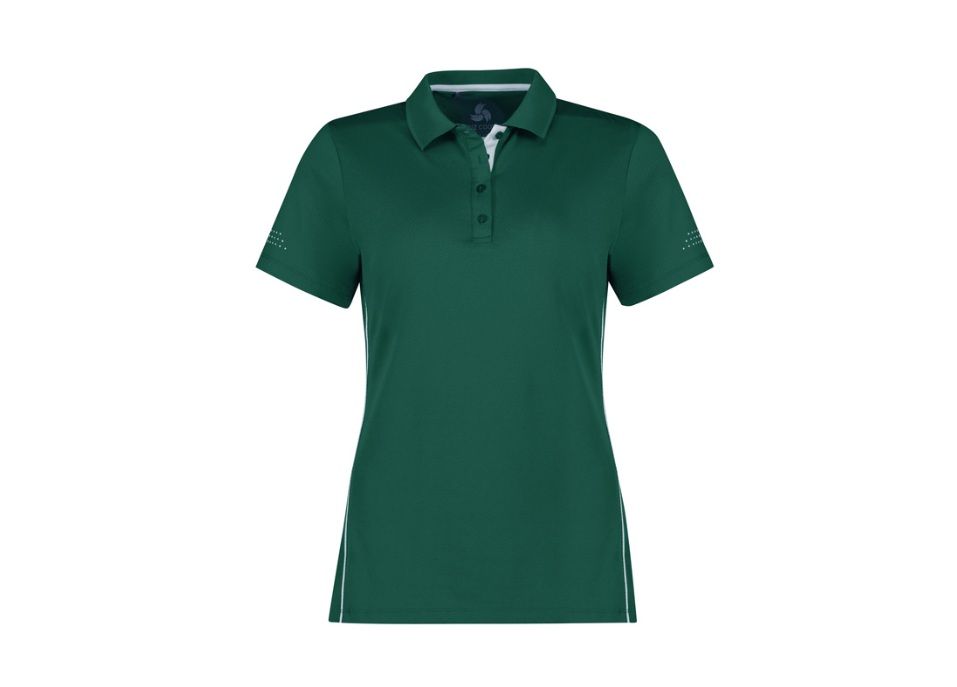 Polo Shirts
 Socks
Socks Shoes
Shoes Sports Bottoms
 Sports Uniforms
 Singlets
 Tee Shirts
 Workwear
 Backpacks
 Briefcases
 Coolers
 Drawstring Bags
 Dry Bags
 Duffle Bags
 Kids Activity Bags
 Laptop
 Luggage and Travel
 Paper Bags
 Satchels
 Specialised Bags
 Tote Bags
 Bottle Openers
 Bottled Water
 Drink Bottles
 Drinkware Gift Sets
 Glass & Poly Cups
 Mugs
Mugs Stubby | Bar & Drinkware
 Wines
Wines
 Bandanas
 Beanies
 Bucket Hats
 Caps
Caps Headbands
 Straw Hats
 Visors


 Audio
Audio Business Card Holders
 Compendiums
 IT Gift Sets
 Notebooks | Diaries
 Tech Computers
 Tech Mobile
 USB Flashdrives
 Beach Towels
 Beachballs & Inflatables
 Car Accessories
 Golf
Golf Lighters
 Picnic Gear
 Sports Items
 Sunglasses
 Sunscreens
 Torches
 Travel Essentials
 Thongs
 Umbrellas | Ponchos
 Watches
 Crayons
 Colouring Pencils
 Highlighters
 Markers
 Pens
Pens Pencils
 Post-It & Sticky Notes
 Other Stationery

 Active Toys
 Card Decks
 Coin Banks
 Conference Toys
 Event Toys
 Fidget Items
 Frisbees
 Games & Puzzles
 Kids
Kids Plush Toys
 Stress Balls
 Charity & Community
 Chocolates & Lollies
 Keyrings
 Lanyards | Badges
 Print | Signage
 Antibacterial
 Eco Products
 Gift Box Sets
 Homeware
 Pet Products
 Personal Care
 Occasion Ideas