What Buyers Miss When Reviewing Samples?
Key Points
- Product samples help buyers spot possible issues before placing a large bulk order, especially with the materials and finish.
- Our account managers usually suggest testing samples in real use instead of only checking how they look.
- Cubic Promote also recommends checking packaging, production timelines, and stock consistency before approving a bulk order.
Most buyers look at the basics when they review samples: how an item looks and its material. For branded samples, the logo clarity is too. In my experience, the biggest problems with bulk orders usually come from what buyers overlook, not what they check. In this guide, I’ll cover the common issues buyers overlook when reviewing samples, how they affect large orders, and the checks I recommend before approving bulk production.
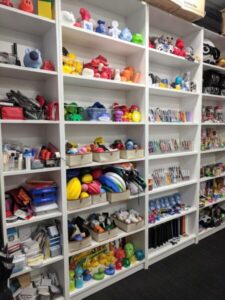
Shelves of Merchandise Samples
Why Sample Reviews Don’t Tell the Full Story?
A sample is supposed to give you confidence, but it only shows the best version of the product. It doesn’t reveal how much variation there can be from one unit to another.
- How consistent is the product across units?
- How does branding hold up across a full run?
- What happens under real usage?
Check out the Cubic Promote blog post on Product Merchandise Samples for a detailed guide on how to order items for a hands-on evaluation.
Finish vs Consistency
Most buyers look at the finish of a sample, checking colour, texture, and print quality. But they don’t always ask how consistent that finish will be across the whole order. A sample might look perfect, but making products in bulk can lead to small differences, such as slight colour variations, print alignment issues, or material variations. These might not be big problems on their own, but they stand out when you have a lot of units.
Print Quality Over Time
Branding on a sample usually looks sharp because it’s new and unused. What people often forget to check is how durable it is.
- Will the print fade with use?
- Does it scratch easily?
- Will it hold up over time?
If the branding doesn’t last, the merch loses its value quickly. I always recommend testing the sample, not just inspecting it. Read our blog post on Why Some Materials Don’t Work with Certain Print Methods in Practice.
Weight and Build Quality
People often check how a sample looks, but not always how it’s built. Weight, balance, and build quality become more important when the product is used often. Something might look sturdy but feel flimsy or unstable when you use it. These small differences in build quality can really affect how people see the product, especially in a large order.
Packaging and Presentation
Packaging is one area that often gets overlooked. The sample might come in basic packaging, but clients or staff will see the packaging on bulk orders. If you don’t think about packaging, it can hurt the overall impression.
- Is it packed neatly?
- Does it protect the product properly?
- Is branding consistent on packaging if needed?
Functionality in Real Use
A sample might look good sitting on a desk, but how does it work in real life? I always tell clients to test this out.
- Does the product work as expected?
- Is it easy to use?
- Does it fit into daily routines?
Stock Consistency and Availability
You can’t see this in a sample, but it’s very important. You might approve a product after seeing one unit, but can the supplier keep the same quality for the whole order?
- Is stock readily available?
- Can the supplier handle the volume?
But if you partner with an experienced supplier like Cubic Promote, we take care of these for you. We make sure to check the stocks before recommending a product. Plus, we have production managers who have years of experience handling bulk orders.
Timeline Reality
If a sample is good, the next key consideration is the timeline. Some buyers approve a sample without asking about production time, which can cause problems later, especially if you have tight deadlines. I always suggest checking timelines at the same time as the sample.
How Do These Gaps Show Up in Bulk Orders?
Here’s what usually happens when important checks are missed in bigger orders.
What I Tell Buyers to Do Differently?
When you review samples, try to look past your first impressions.
- Test the product, don’t just inspect it.
- Check durability, not just appearance.
It doesn’t take much more effort, but it can make a big difference.
Where Bulk Buyers Usually Go Wrong
The most common mistake is assuming the sample exactly represents the full order. It doesn’t. Another issue is rushing the approval process. Buyers focus on visuals and skip deeper checks.
- Approving based on appearance only (no testing of the item)
- Ignoring how the item will be used
How do I Usually Guide Clients?
When I send samples, I don’t just ask clients if they like what they see. I ask them to actually use the product. I also explain what to expect with a bulk order, including possible differences in the colours and how production works. Setting clear expectations early helps avoid problems later on.
Where Buyers Get the Most Value
In my experience, buyers get the best results when they treat samples as tests, not just previews. They ask more questions, look beyond how things appear, and consider how the product will work in large quantities. This approach leads to better choices and smoother bulk orders.
Ready To Buy?