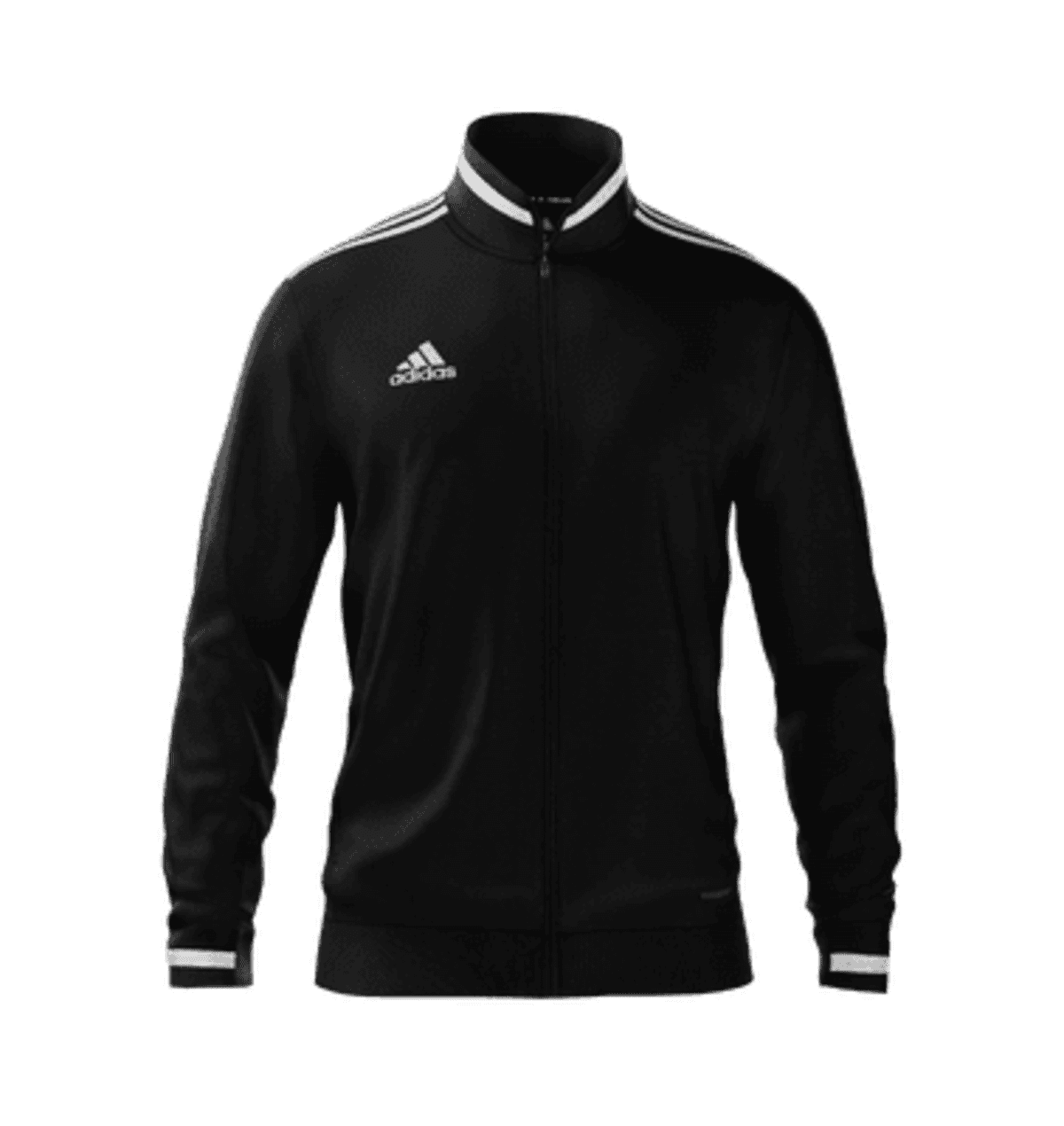
What We Learned After a Client Ordered Jackets Without Staff Size Checks
Last Updated: 6 July 2026
Key Points
- Skipping staff size checks for uniform orders often leads to replacements, extra freight costs, and operational delays.
- Fit samples, size charts, and individual staff confirmations help reduce sizing mistakes and improve staff comfort.
- We recommend using a structured sizing process for large apparel orders to avoid reorders and ensure smoother uniform rollouts.
After years of managing big uniform orders, I’ve noticed that small mistakes at the start often turn into bigger problems later. Sizing is one of the most common issues. In this blog, I’ll share what happened when a client skipped proper staff size checks, the problems that followed, and why I now always recommend a structured sizing process for large apparel orders.


The Client Wanted to Save Time
The client needed branded winter jackets for several offices across Australia. They wanted embroidered logos on both men’s and women’s jackets. During planning, they chose not to check each staff member’s size and instead estimated sizes themselves. Jackets are actually one of the hardest items to size for.
The Problems Started Immediately After Delivery
As soon as the jackets arrived, staff started reporting sizing problems. Some jackets were too tight, others too big, and several women’s fits didn’t meet staff expectations. Very quickly, the client needed:
- replacement garments,
- urgent reorders,
- interstate swaps,
- and additional embroidery runs.
What seemed like a shortcut at first ended up causing more work and higher costs later.
The Hidden Costs Businesses Don’t Expect
Ordering a new set of jackets is simple, but there are hidden costs you should think about, too.
Common Hidden Costs
Once replacements start moving between offices, projects become much harder to manage.

Why I Always Recommend Fit Samples
Some businesses skip fit samples to save time, but in my experience, fit samples actually save more time in the long run. Even experienced teams can get sizing wrong. When staff try on garments in person:
- confidence improves
- reorders reduce
- and approval becomes much easier
I’ve seen clients save thousands of dollars on replacements just by holding quick internal fitting sessions before approving production.
The Process I Recommend for Large Apparel Orders
For medium and large uniform projects, I always recommend using a structured sizing system.
This process might seem slower at first, but it leads to better results overall.
Staff Comfort Impacts Brand Perception
Uniforms are more than just an operational purchase. They directly affect:
- staff confidence,
- professionalism,
- comfort,
- and how employees represent the business.
When uniforms fit well, your staff will wear them with more confidence. It also makes things much easier for you.

The Better System We Helped Build Afterwards
After these problems, we worked with the client to redesign the process for future winter orders. The new system included:
- digital size collection forms,
- fit sample kits,
- internal approvals,
- and contingency stock planning.
The difference was huge. The following rollout finished faster, required almost no replacements, and caused less stress for their team. And if there’s one lesson I always share with clients ordering jackets in bulk, it’s this: Never guess staff sizes.
Ready To Buy?