
Your Trade Show Booth Isn’t Getting Foot Traffic — Here’s What to Fix
Last Updated: 29 June 2026
If your trade show booth is quiet, the issue is usually a lack of clarity, not just low foot traffic. Attendees make quick decisions as they pass many suppliers. If they can’t see who you help, what you offer, or why they should stop, they’ll keep walking. This article explains how to fix common problems, from booth messaging and staff behaviour to layout, lead capture, giveaways, and follow-up.
This guide is for Australian exhibitors getting ready for expos, procurement events, industry conferences, university open days, field days, and corporate trade shows. Cubic Promote worked with 1,063 events across Australia from January 2025 to January 2026, so these tips reflect patterns seen across many types of buyers.
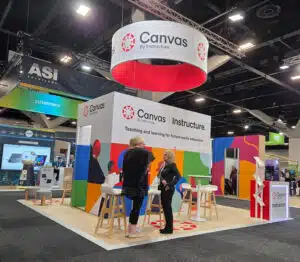
Why are people walking past your booth?
Charles Liu, our founder, has attended a lot of trade shows across Sydney and Melbourne, and here are some issues he has observed:
One thing we always remember when setting up booths for a trade show is that they do not need to know the whole picture of what you do. Rather, the booth has to spark conversations.
What should your booth communicate in three seconds?
Your booth should have one clear message that fits the event audience. Avoid vague slogans like “trusted business partner.” Buyers want to know what problem you solve. Try this: if someone took a photo of your booth from three metres away, would your message still be clear?
Keep your message short enough for people to read as they walk by. Save longer details for staff conversations, brochures, or QR codes that link to more information. If you want to see how we’ve helped our clients with catchy displays, read our Case study on Hotel School Australia.
How should booth staff behave to increase foot traffic?
Your booth team has more impact than the display itself. Even the best stand feels uninviting if staff are passive. Here’s how your team can do better:
- Stand near the aisle, not behind the table.
- Ask a low-pressure opening question.
- Avoid pouncing on every passer-by.
- Keep phones away unless scanning leads.
- Give each staff member a role.
- Record notes immediately after each qualified conversation.
A good opener is specific but easy to answer. For example:
- “Are you comparing suppliers today?”
- “Are you planning an event this quarter?”
- “Would a quick cost checklist help?”
- “Are you looking for ideas for staff, clients, or attendees?”
Ariane Milarpez, an account manager, prefers phone calls to really understand what clients want and to build stronger connections. The same idea works at a booth. Real conversations are better than passive displays because they help you learn about the buyer’s deadline, budget, audience, and concerns.
Which booth layout gets more people to stop?
Your booth layout should make it easy for people to move around. Many exhibitors inadvertently create a barrier by placing a long table at the front, separating staff from attendees.
A better layout uses zones:
When showing branded products, display fewer items and choose them carefully. A table full of random products can overwhelm visitors. Instead, use three clearly labelled options, such as “For staff,” “For clients,” and “For events”, to help people see what you offer. at.
What giveaways actually help foot traffic?
A giveaway should help you start a conversation, not take its place. Don’t just leave a pile of products on the table for people to grab without talking to anyone. Use a tiered giveaway plan:
Mary Aguirre Cruz, one of our account managers, recommends choosing giveaways based on branding, budget, and purpose, not just picking items at random. At trade shows, the purpose is important. For example, tote bags are more useful early in the day because attendees need somewhere to put their materials. Power banks are great for business and tech events, as phone batteries tend to run low. Sunscreen or caps work for outdoor field days, but would seem out of place at a formal finance conference.
How do logistics affect booth success?
Good logistics can make your booth look polished instead of thrown together. Problems like late stock, missing uniforms, wrong cartons, or unapproved artwork can ruin weeks of planning. For trade shows, treat your booth like a delivery project, not just a marketing job.
Use this logistics checklist:
- Confirm event date, bump-in time, and delivery address.
- Approve artwork early.
- Label cartons by booth function.
- Pack a small repair kit with tape, scissors, markers, and cable ties.
- Separate VIP gifts from general giveaways.
- Keep digital copies of artwork approvals and delivery notes.
- Prepare a day-two restock plan for multi-day events.
Charles Liu also notes that last-minute changes are difficult once products are in print production and cannot always be cancelled. That is why trade show teams should lock artwork and quantities early, especially when custom-printed items are involved. If you need more ideas on how to make your booth engaging, find giveaway and display ideas in our Case Studies about Tradeshows.
What should happen after the event?
Foot traffic isn’t the only thing that matters. What really counts is how many conversations lead to meetings, quotes, trials, or orders. A simple follow-up table can help:
Our thoughts
You’ll get more foot traffic at your trade show booth if your offer is clear, the layout is open, your staff are ready to talk, and your giveaways help start real conversations. Start by fixing your message, then improve your booth flow, and finally, work on your follow-up process.