
6 Other Uses for Promotional Items
Last Updated: Aug 31st, 2026
Everyone has a drawer of promotional items collected from events, conferences and expos. Most of them sit there unused. The interesting thing is that many of these items are far more useful than the purpose they were made for, and once you know a few alternate uses, the ordinary wristband or sticky note in that drawer suddenly earns its place. Here are six practical ways to get more out of promotional items around the home and office.
Key Points
- Many promotional items have practical secondary uses that keep them in circulation far longer than their original purpose.
- Simple, versatile items like wristbands, sticky notes and small cases tend to get reused rather than discarded, which keeps a brand visible for longer.
- From a supplier’s perspective, choosing a product with multiple everyday uses is one of the most reliable ways to extend the life of a branded item.
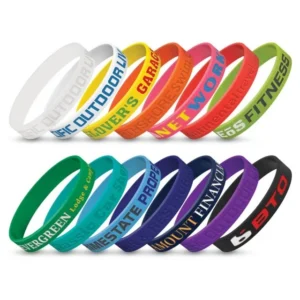
Turn a Silicone Wristband Into a Door Latch Holder
If you are moving house or dealing with a door in a high-traffic area, a thick silicone wristband can hold the latch bolt back so the door swings freely without catching. Loop the band around both handles and cross it over the latch, and the door can be opened from either side without needing to hold it. A promotional silicone wristband works well for this because the material is durable and has enough stretch to stay in place.
Use a Rubber Band or Wristband as a Paint Brush Rest
Anyone who has painted a wall knows the problem of where to rest a loaded brush. Stretch a thick rubber band or wristband vertically across the open paint tin, from one side of the rim to the other, and it becomes an instant brush rest. Wipe the brush against the band and the excess paint drips back into the tin rather than down the side.
Repurpose a Staple Remover for Stubborn Keyrings
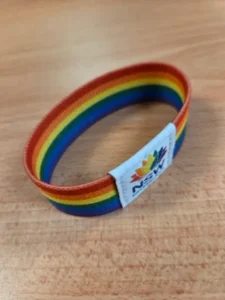
A staple remover can do more than remove staples. The two prongs are useful for prying open a tight keyring far enough to slide a key on, which can save your fingernails from the usual struggle. It is one of those secondary uses that seems obvious once someone points it out.
Clean Your Keyboard With a Sticky Note
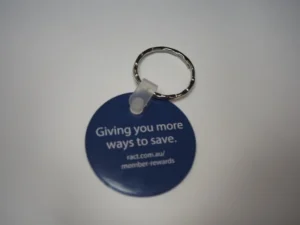
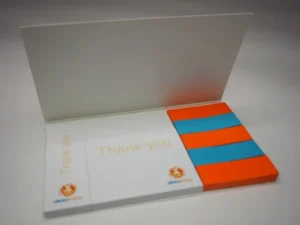
Sticky notes are quietly one of the most versatile items on any desk. Run the sticky edge along the gaps between keyboard keys and it can lift out dust, crumbs and grime that a cloth may not reach. It is a small trick, but a useful one for keeping a keyboard tidier between deeper cleans.
Store Cables in a Sunglasses or Spectacle Case
The hard case that comes with glasses or sunglasses is well suited to storing loose cables. Earphones, charging cables and adapters can fit neatly inside, while the rigid shell helps protect them in a bag. It is particularly useful for travel, where loose cables tend to end up tangled at the bottom of a suitcase or backpack.
Clean Suede With a Nail File
A soft nail file can help lift light dirt and scuff marks from suede shoes or bags. Use gentle strokes and a fine-grit file to avoid damaging the surface. A branded nail file, like the kind often handed out at events, can serve this secondary purpose as well as its original grooming use.
Why Versatile Products Make Better Promotional Items
This is where these simple hacks connect to something useful for anyone ordering promotional products. An item that has more than one use has a better chance of staying in someone’s home, office or bag for longer, and the longer it stays, the longer the branding remains visible.
Charles Liu, Co-founder at Cubic Promote, says the most effective promotional items are usually the ones people find a reason to keep. When an item is genuinely useful in more than one way, it has a better chance of surviving the drawer clean-out that many giveaways do not. That extended life is what can turn a low-cost item into a longer-lasting brand touchpoint, which is why he often recommends practical, well-made products over novelty items.
Our Expert Advice on Choosing Products That Last
Ariane Milarpez, one of our account managers, says she enjoys briefs that give her room to be creative with the product mix, and this is the type of thinking she brings to them. Her approach is to ask not only what an item is designed for, but where it will end up and how often the recipient is likely to reach for it. A product that finds a second use in someone’s daily life can keep working long after the event that handed it out has been forgotten, and that longer practical life is something she considers when recommending products for a campaign.
