
Creative Promo Items At Colourful Events
Last Update: Aug 27th 2026
Key Points
- Creative promotional items work best when their colours, artwork and product style reflect the event’s visual identity and audience.
- Colourful merchandise can extend an event theme across practical items such as apparel, drinkware, tote bags and giveaways.
- Product choice still needs a clear purpose, with creativity guided by how the item will be used, branded and distributed.
Promotional Products for Different Events
The type of event should guide the merchandise selection. A useful product has a clear role during the event or gives people something practical to keep afterwards.
These are general product suggestions. The final choice should reflect the event, audience, budget and branding requirements.
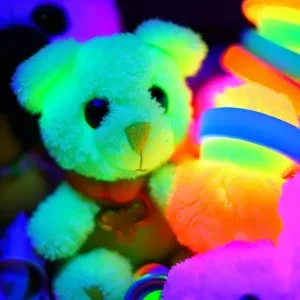
Use Colour to Build a Clear Event Identity
Colour can help connect different parts of an event visually. The same palette can be used across merchandise, signage, volunteer apparel, social graphics and printed material. Keep these elements consistent:
- Approved campaign colours
- Logo version and placement
- Fonts and typography
- Illustrations and graphic elements
- Campaign name
- Short message or call to action
For established campaigns, follow the organisation’s approved branding guidelines. This helps keep the merchandise aligned with the wider campaign identity.
Expert Advice: Start With How the Product Will Be Used
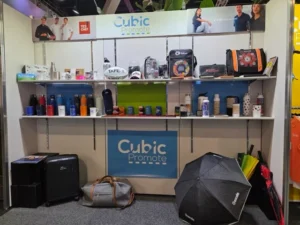
Charles Liu, CEO and Marketing Director at Cubic Promote, says detailed information about how merchandise will be used helps him narrow down suitable product options. He also identifies branding methods, budgets and tight deadlines as key areas of his expertise.
Charles particularly enjoys working with outdoor events because they give him the opportunity to recommend products suited to the setting, including items such as frisbees and sunscreen. Useful information to provide a merchandise supplier includes:
- Type of event
- Expected audience
- Event location
- Intended use of the product
- Required quantity
- Available budget
- Branding requirements
- Event date and delivery deadline
These details help make product recommendations more relevant from the start.
Keep Promotional Branding Simple
Event merchandise often has a smaller print area than banners, posters or digital graphics. Artwork needs to remain clear and readable at the available size.
Last-minute changes can become difficult once products have entered production. Charles specifically notes that some changes cannot be made once printing has already started.
Using Friendly Designs and Humour
Some community events suit colourful illustrations, characters or light-hearted campaign messages. The creative direction still needs to match the subject, audience and organisation. Before using humour, check:
- Sensitivity of the subject
- Campaign’s established tone
- Intended audience
- Risk of the message being misunderstood
- Approval from the organisation or campaign owner
A campaign can also feel welcoming through colour, illustration and useful merchandise. Humour is only one creative approach.
Choose Merchandise That Has a Job to Do
Useful promotional products can become part of the event experience. For example:
- A T-shirt can identify volunteers.
- A cap can be worn at an outdoor event.
- A drink bottle can be used during a community walk.
- A tote bag can carry event material.
- A notebook can be used during a conference or workshop.
- A badge can display a short campaign message.
This approach keeps the product connected to the purpose of the event and gives organisers a clearer reason for choosing each item.
Final Checklist for Event Merchandise
Before ordering promotional products for an event, confirm:
- Event purpose
- Target audience
- Event location
- Product quantity
- Budget
- Branding requirements
- Artwork approval
- Production timeline
- Delivery deadline
- Intended use of the merchandise
A clear brief helps the supplier understand the event and recommend products that fit the audience, budget and purpose.
The best event merchandise does more than carry a logo. It supports the event, reinforces the campaign identity and gives people something useful or relevant to remember it by.