
2026 Promotional Merchandise Trends: What Sydney Businesses Are Buying?
Last Updated: 15 October 2026
Key Points
- Sydney businesses are choosing more premium-looking merchandise like structured tote bags, neutral drinkware, and subtle apparel.
- Neutral colours such as black, navy, grey, and tonal branding still lead corporate merchandise orders.
- Buyers are prioritising reliable delivery, wearable apparel, and long-lasting products over flashy designs or cheap pricing.
Sydney businesses carefully choose promotional merchandise to impress clients, executives, partners, and procurement teams who pay attention to detail. In 2026, they focus on premium drinkware, structured tote bags, subtle corporate apparel, and desk items for everyday use.
This blog covers trends from Sydney organisations we worked with, including those who placed new orders, repeat orders, and standardised their merchandise this year.
Preference for Highly Visible Merch
Sydney buyers often work in places where promotional products are seen on desks, in meetings, or worn in front of clients. This visibility influences what they buy.
In our case, our buyers only choose novelty products for specific campaigns or audiences. Most of the time, they preferred professional, subtle, and safe options because protecting their reputation was more important than standing out.
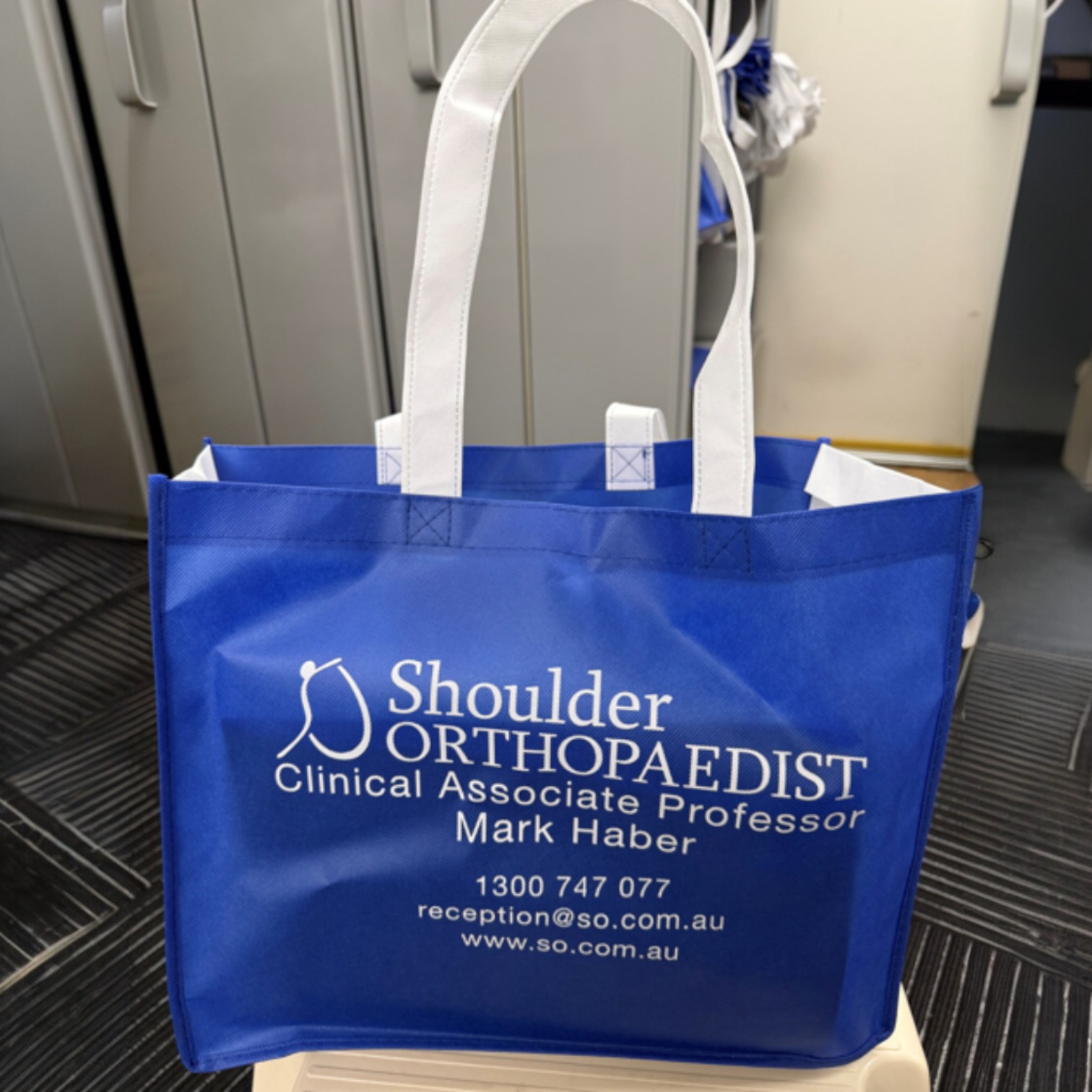
This trend led us to more demand for products that fit in any setting, such as:
- Tote bags that look more like work accessories than giveaways
- Drinkware with clean lines and neutral finishes
- Apparel that wouldn’t feel out of place in a client-facing role
- Desk items that subtly reinforce brand presence.
Neutral Colour Palettes Continue to Dominate
Neutral-coloured merchandise gets reused across different campaigns and teams, which helps avoid branding conflicts or looking outdated. Typically, bright colours are mostly used for outdoor events or special programs, while neutral tones for corporate settings.

For example, Swami Rossat, our Marketing Specialist, noticed that many of his Sydney business clients used deliberate and strategic use of colour. Rather than chasing flashy trends, they consistently favoured a restrained palette, including:
- Blacks, charcoals, navy, and greys
- White-on-white or tonal branding
- Subtle contrasts instead of bold colour clashes.
This approach maintained a refined, cohesive look across all merchandise. It also made it easier for businesses to use the same colours across different products without making their branding look too busy.
Apparel Trends for Client-Facing Roles
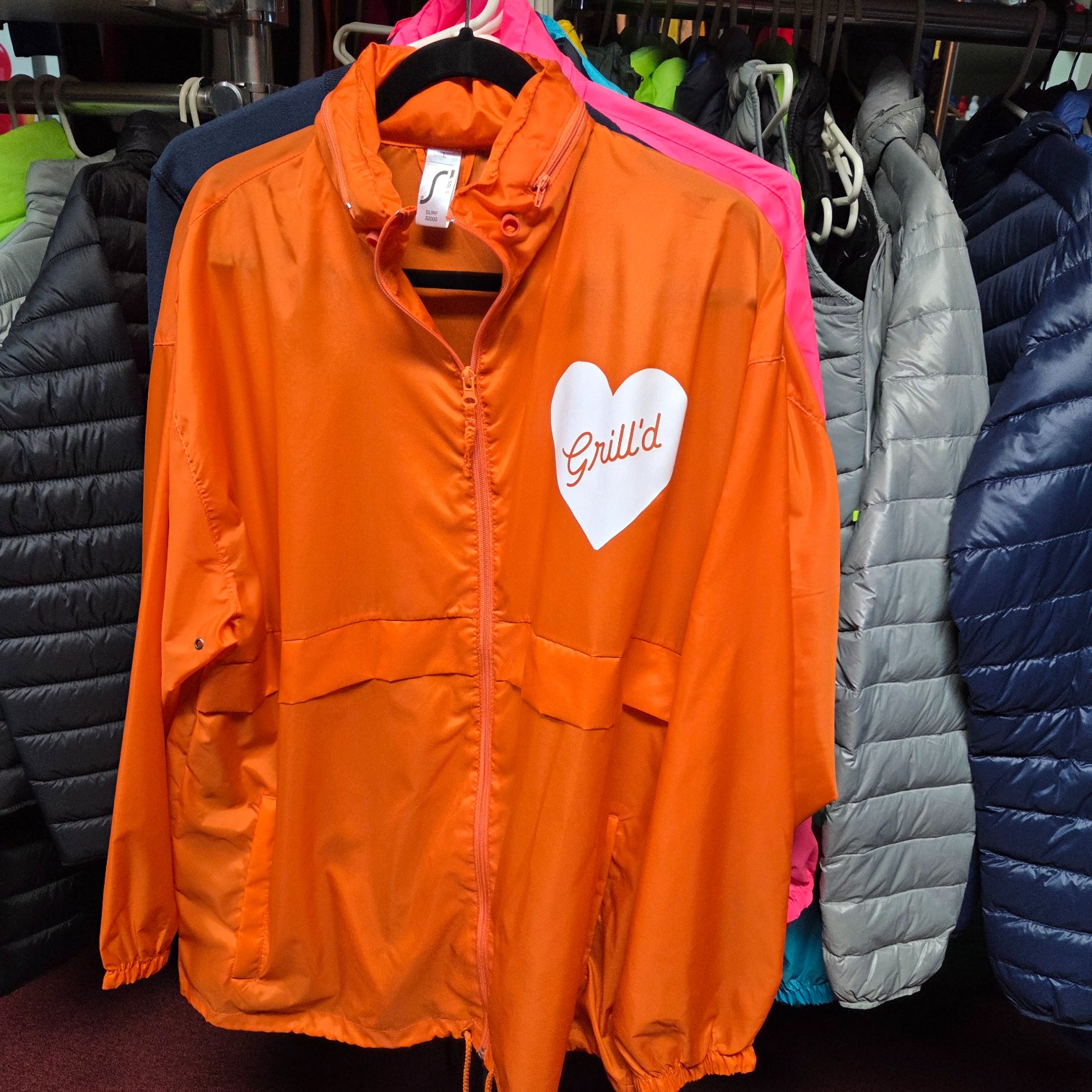
Branded polos and T-shirts remained popular in Sydney, especially styles that staff could wear even after work events. Businesses leaned towards comfortable fabrics and simpler branding. This is becauase heavy clothing and oversized logos were less likely to be worn again. After all, branded apparel won’t do much for a business if it stays in someone’s wardrobe.
What We Think
Our buyers also cared more about reliable suppliers and on-time delivery than getting the cheapest price. As Mark Tyssen, our Senior Business Development Manager, explained, businesses want to know their uniforms will turn up when they’re supposed to. The last thing anyone needs is a team turning up to an event with no uniforms to wear.
Mark also shared a few things to look for when choosing branded clothing:
- Good fit
- Breathable fabric
- Good-quality materials
- Smaller logos
We reckon the best branded clothing is something people would happily wear even when they’re off the clock. Spending a little more on quality is worthwhile if it means staff will actually wear it regularly.
Sustainability is Expected, Not Promoted
By 2026, Sydney businesses were already expecting more sustainable options. Buyers weren’t easily won over by products simply labelled eco-friendly. They wanted something practical, well-made and built to last. There’s no point calling something sustainable if it ends up in the bin after a couple of uses. That’s hardly doing the planet any favours!
When choosing products, buyers also asked a few simple questions:
- Will it last, or will we need to replace it soon?
- Can people use it again and again?
- Does it meet our company’s sustainability policies?
Emerging vs Declining Trends
What Businesses in Sydney Can Take Away?
When purchasing promotional merchandise in Sydney, always consider your unique context. Choose items that people will appreciate and use often in professional settings, so your brand gets long-term value.
Prioritise items that maintain professionalism and stay useful even after the campaign ends, so your brand keeps a strong presence in client-facing settings.