

Last Updated: 13 April 2026
Key Points:
- Cotton, polyester, and blended polos vary in comfort, durability, and branding suitability for business use.
- Cotton suits indoor roles, polyester suits outdoor use, while blends balance comfort, care, and print compatibility.
- Match fabric to work environment, climate, and branding method to avoid issues and improve uniform performance.
If you’ve ever ordered custom-branded polo shirts for your business, you’ve likely faced the classic question: Should you choose cotton or polyester?
Our account managers hear this question every week from Australian organisations. Both fabrics have their advantages and can look great with your logo. However, they perform differently in real-world situations, and understanding these differences can help you avoid complaints from staff or guests and a few uncomfortable days in the wrong shirt.
Let’s take a closer look at each fabric, how it behaves, and what it means for your brand.
A Quick Side-by-Side Snapshot
| Feature | Cotton Polo | Polyester Polo | Poly-Cotton Blend |
|---|---|---|---|
| Comfort & Breathability | Soft, natural feel | Light, moisture-wicking | Balanced and comfortable |
| Durability | Can shrink or fade | Extremely resilient | Keeps its shape longer |
| Drying Time | Slow | Fast | Moderate |
| Appearance | Matte, traditional | Smooth, sporty sheen | Neat, semi-sheen finish |
| Branding Options | Screen print, DTG, embroidery | Sublimation, embroidery | Works with most methods |
| Maintenance | Needs ironing | No-iron, easy care | Low maintenance |
| Price | Mid-to-high | Usually lower | Mid-range |
| Best Suited For | Indoor office wear | Outdoor or active use | Everyday uniforms |
Why Cotton Still Wins Hearts
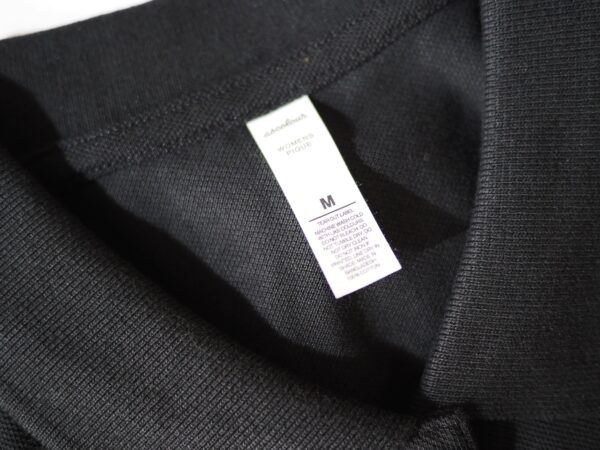
There’s a reason cotton polos never go out of style. They’re made from a natural fibre that’s soft, breathable, and instantly comfortable. In air-conditioned offices, retail spaces, or conference venues, cotton feels relaxed but still looks professional.
Cotton is also great for screen printing, DTG printing, and embroidery. Colours come out bold and clear, and the fabric keeps its shape with detailed stitching, making it ideal for complex logos or subtle branding.
However, cotton needs a bit more care. It can shrink, crease, or fade after many washes, so it may not be the best choice for businesses that want low-maintenance uniforms or outdoor gear.
“Our clients in finance and consulting love cotton polos,” notes one of our apparel specialists. “They’re breathable, classic, and feel premium — exactly the image those sectors want to project.”
Why Polyester Is the Modern Workhorse
If cotton is the classic choice, polyester is the workhorse. Many businesses pick polyester when they need polos that can handle tough use. Polyester is strong, lightweight, and long-lasting. It resists stretching, fading, and wrinkles, even after lots of wear and washing.

The main reason companies pick polyester is its moisture control. The fabric pulls sweat away from the body and dries quickly. When you wash it, you’ll notice it dries much faster than cotton. This makes it perfect for outdoor staff, event teams, and active workplaces.
Polyester also works well with sublimation printing, which allows for full-colour, photo-quality designs that won’t crack or peel. That’s why it’s a top choice for sportswear, hospitality uniforms, and promotional items that need to stand out.
“Polyester polos are a lifesaver for our Queensland and WA clients,” says one of our production leads. “They stay cool and dry, even when you’re working outdoors in the middle of summer.”
Of course, the trade-off is texture. Polyester can feel less natural against the skin and, in dry climates, can generate static electricity. But for sheer performance, it’s hard to beat.
The Middle Ground: Poly-Cotton Blends
If you can’t decide between cotton and polyester, a poly-cotton blend might be the best choice. These shirts combine the good qualities of both, usually with about 60% cotton for comfort and 40% polyester for strength.

Blends are softer than pure polyester yet easier to maintain than cotton, offering a balanced, all-round option for everyday uniforms. They resist wrinkles, hold their colour, and handle branding methods like embroidery, screen printing, and sublimation on treated surfaces with ease.
The downside? They can hold a bit more heat than cotton and may develop some light fabric pilling over time. Still, for teams that need to look professional every day, from warehouse crews to sales staff, blended polos offer a great balance.
“Most of our national clients choose blended polos,” says a member of our Sydney sales team. “They look neat, wash easily, and keep their shape. It’s the practical choice for multi-site organisations.”
Branding Matters: Matching Fabric to Decoration
Different fabrics behave differently when decorated. Here’s a simple guide:
| Branding Method | Best On | Reason |
|---|---|---|
| Embroidery | All fabrics | Durable, professional, and adds texture to your logo |
| Screen Printing | Cotton & Blends | Excellent for bold, solid designs |
| DTG Printing | Cotton | Produces vibrant, soft prints |
| Sublimation | Polyester & Blends | Perfect for photo-quality, edge-to-edge colour |
Sublimation technology has improved so much that even certain cotton-coated blends can now be used. This means you no longer have to pick between comfort and creativity; you can enjoy both.
Choosing the Right Fabric for Your Workplace
When we look at patterns across our own clientele, the trends are clear:
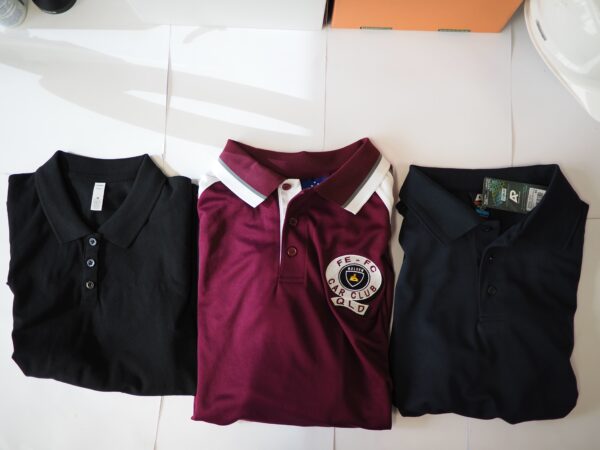
- 100% Cotton / Cotton-Poly / 100% Polyester
- Cotton polos are the best choice for office staff, conferences, and client-facing roles. They’re breathable, refined, and comfortable for all-day wear.
- Polyester polos are preferred for outdoor work, logistics teams, or active roles, especially in warmer climates like QLD and WA.
- Poly-cotton blends are the go-to choice for uniform programs and nationwide rollouts, offering a dependable middle ground that suits nearly everyone.
Each industry has different needs. A tech startup might want breathable cotton for comfort, while a sports club may need polyester for performance. The good news is that modern polos often let you offer both in one collection.
What We Think
Besides texture, we see Australian weather as the main reason polo choices come unstuck. Cotton can feel heavy and sticky in humidity, while polyester can trap heat or feel uncomfortable in hot conditions.
Our recommendation is to move toward climate-smart uniforms. Use breathable blends, moisture-wicking fabrics, and fit-for-role selections, so your team stays comfortable whether they’re dealing with heat, humidity, or air-conditioned spaces.
Cubic Promote’s Take
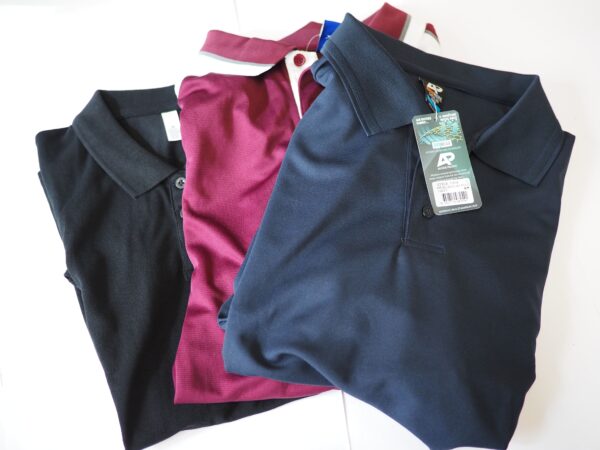
After years of supplying uniforms in Australia, we’ve learned that no single fabric works for everyone. The most important thing is to match the shirt’s purpose to your workplace.
- If your team spends most of the day indoors, go for cotton.
- If they’re constantly on the move or outdoors, choose polyester.
- If you need versatility and minimal fuss, poly-cotton blends are the best investment.
No matter what you choose, our team can help you find the right mix of comfort, branding, and durability.
Ready to Create Your Custom Polo Shirts?
Explore our range of custom-branded polo shirts or call 1300 858 288 to speak with our apparel team. We’ll help you choose fabric options, branding methods, and production timelines, making sure your next order looks and feels great.











 Australian Made
 Best Sellers
 New Products
 Under $5
 Rush Orders
 Sale
Sale Low Order Quantity
 Corporate Uniforms
 Eco Apparel
 Hoodies & Sweaters
 Jackets
 Kids' Clothes
 Other Apparel
 Polo Shirts
 Socks
Socks Shoes
Shoes Sports Bottoms
 Sports Uniforms
 Singlets
 Tee Shirts
 Workwear
 Backpacks
 Briefcases
 Coolers
 Drawstring Bags
 Dry Bags
 Duffle Bags
 Kids Activity Bags
 Laptop
 Luggage and Travel
 Paper Bags
 Satchels
 Specialised Bags
 Tote Bags
 Bandanas
 Beanies
 Bucket Hats
 Caps
Caps Headbands
 Straw Hats
 Visors
 Bottle Openers
 Bottled Water
 Drink Bottles
 Drinkware Gift Sets
 Glass & Poly Cups
 Mason Jars
 Mugs
Mugs Stubby | Bar & Drinkware
 Wines
Wines


 Audio
Audio Business Card Holders
 Compendiums
 IT Gift Sets
 Notebooks | Diaries
 Tech Computers
 Tech Mobile
 USB Flashdrives
 Beach Towels
 Beachballs & Inflatables
 Car Accessories
 Golf
Golf Lighters
 Picnic Gear
 Sports Items
 Sunglasses
 Sunscreens
 Torches
 Travel Essentials
 Thongs
 Umbrellas | Ponchos
 Watches
 Crayons
 Colouring Pencils
 Highlighters
 Markers
 Pens
Pens Pencils
 Post-It & Sticky Notes
 Other Stationery

 Active Toys
 Card Decks
 Coin Banks
 Conference Toys
 Event Toys
 Fidget Items
 Frisbees
 Games & Puzzles
 Kids
Kids Plush Toys
 Stress Balls

 Charity & Community
 Chocolates & Lollies
 Keyrings
 Lanyards | Badges
 Print | Signage

 Antibacterial
 Eco Products
 Gift Box Sets
 Homeware
 Pet Products
 Personal Care
 Occasion Ideas