
Embroidery vs Screen Printing: Cost, Durability, and Brand Finish Compared
Last Updated: 7 October 2026
Key Points
- Embroidery is usually better for uniforms, jackets, polos, and workwear because the stitched logo lasts well after frequent washing and daily use.
- Screen printing is more cost-effective for large clothing orders, especially for event shirts, promotional tees, and simple large-size designs.
- The best branding method depends on the garment type, logo size, expected wear, washing frequency, and how long the clothing needs to last.
Embroidery and screen printing are two ways to add your logo to your chosen apparel. Embroidery uses thread and works well for items that will be worn often. Screen printing uses ink and is better for large orders or items meant for short-term use.
For Australian businesses buying branded clothing in bulk, the best choice depends on how often the item will be washed, the type of garment, the size of the logo, and the cost per item.
Why the Branding Method Matters for Bulk Apparel?
When you order clothing in bulk, the branding method affects more than just how it looks. If you choose the wrong method for uniforms or workwear, the clothing may wear out too soon. For event merchandise, using the wrong method can make things more expensive without any real benefit.
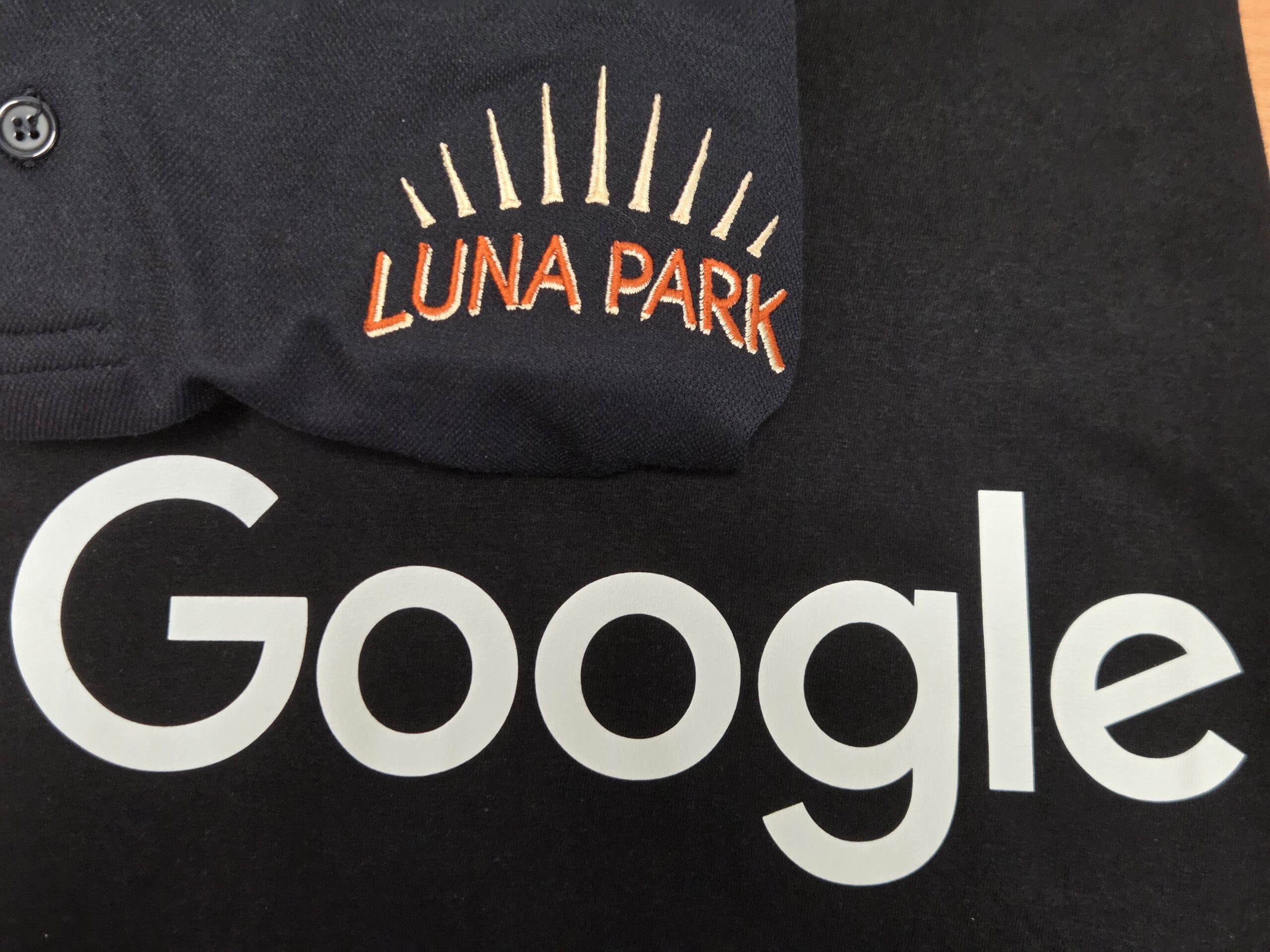
It also determines:
- How the logo withstands repeated washing
- Whether the garment is suitable for daily wear or limited use
- The cost difference between small and large orders
- Which fabrics can be used without distortion or damage
What Is Embroidery?
Embroidery adds a logo by stitching coloured thread directly into the fabric using machines. Embroidery is usually chosen for clothes that will be worn and washed many times over a long period. Embroidery works:
- A digital file converts the logo into stitch paths.
- The thread is sewn through the garment.
- The design is stitched into the fabric, so it becomes part of the garment instead of just sitting on top.

Common embroidery applications:
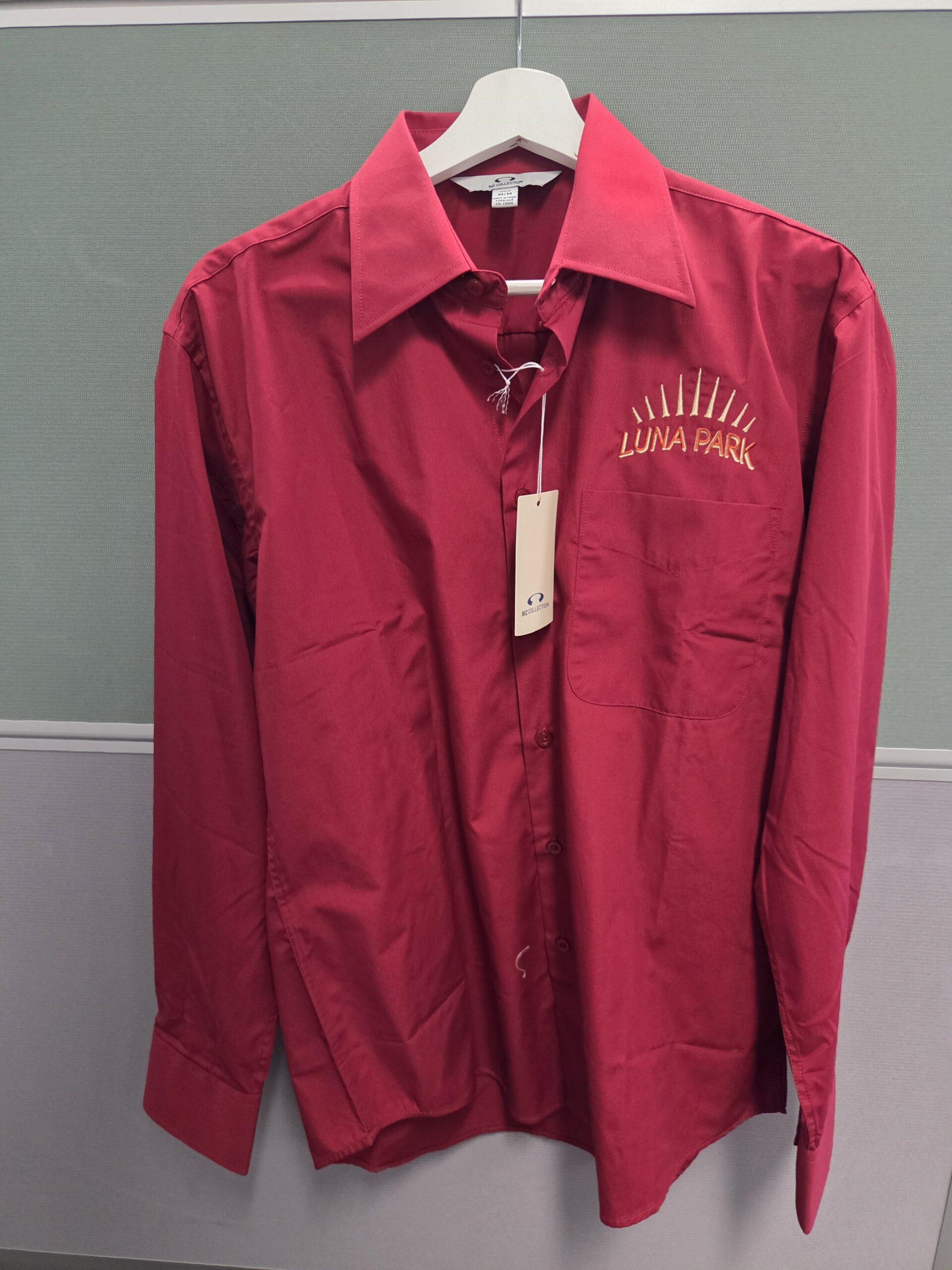
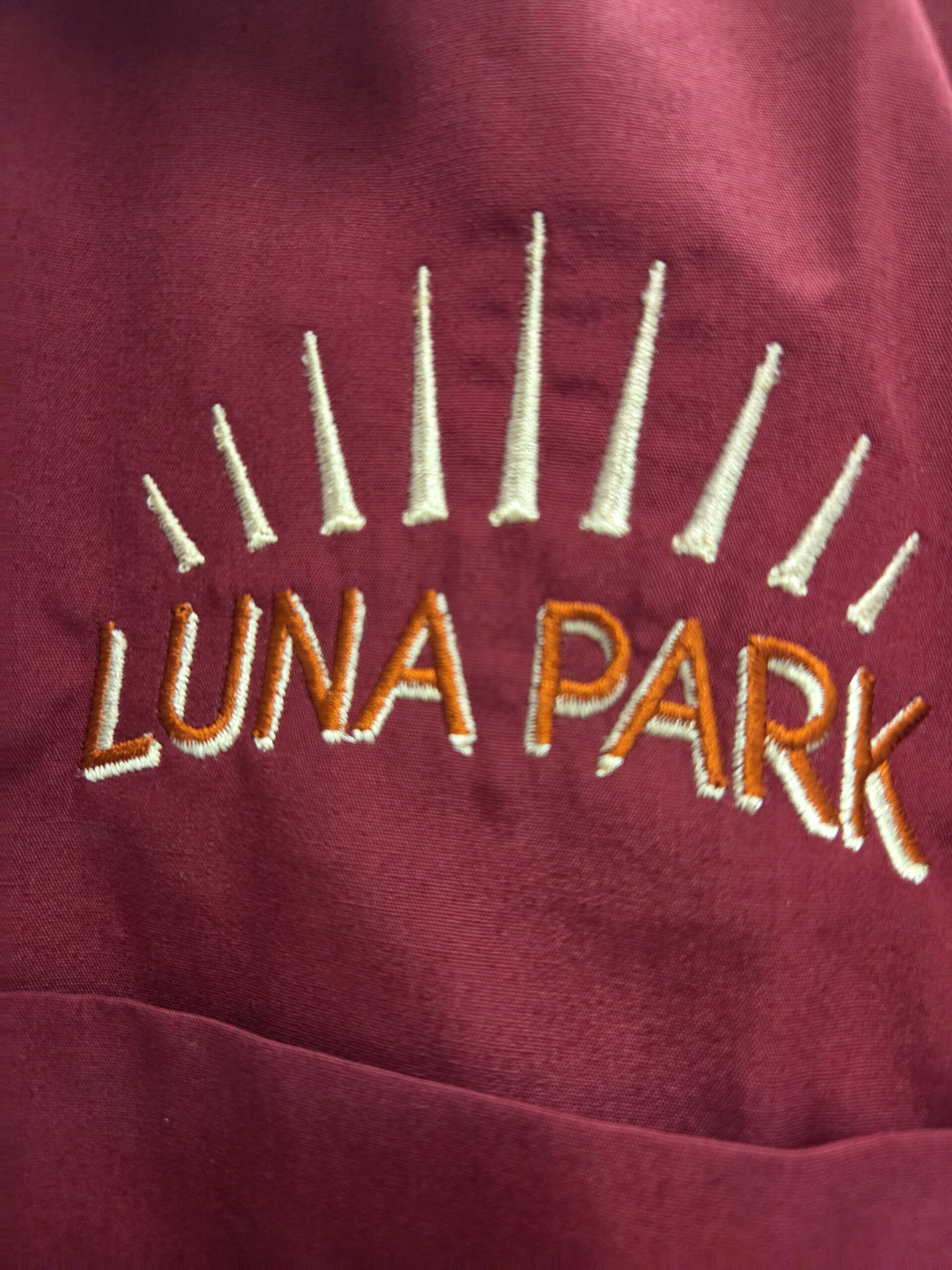
- Polo shirts
- Work shirts
- Jackets and outerwear
- Caps and headwear
- Hospitality and trade uniforms
What Is Screen Printing?
Screen Printing Technique applies ink to the surface of a garment using a mesh screen and squeegee. Screen printing is often used to make large numbers of the same design, especially on lightweight clothing.
How screen printing works?
- A screen is created for each colour in the design.
- Ink is pushed through the screen onto the fabric.
- The ink dries and sticks to the garment’s surface.
Common screen printing applications:
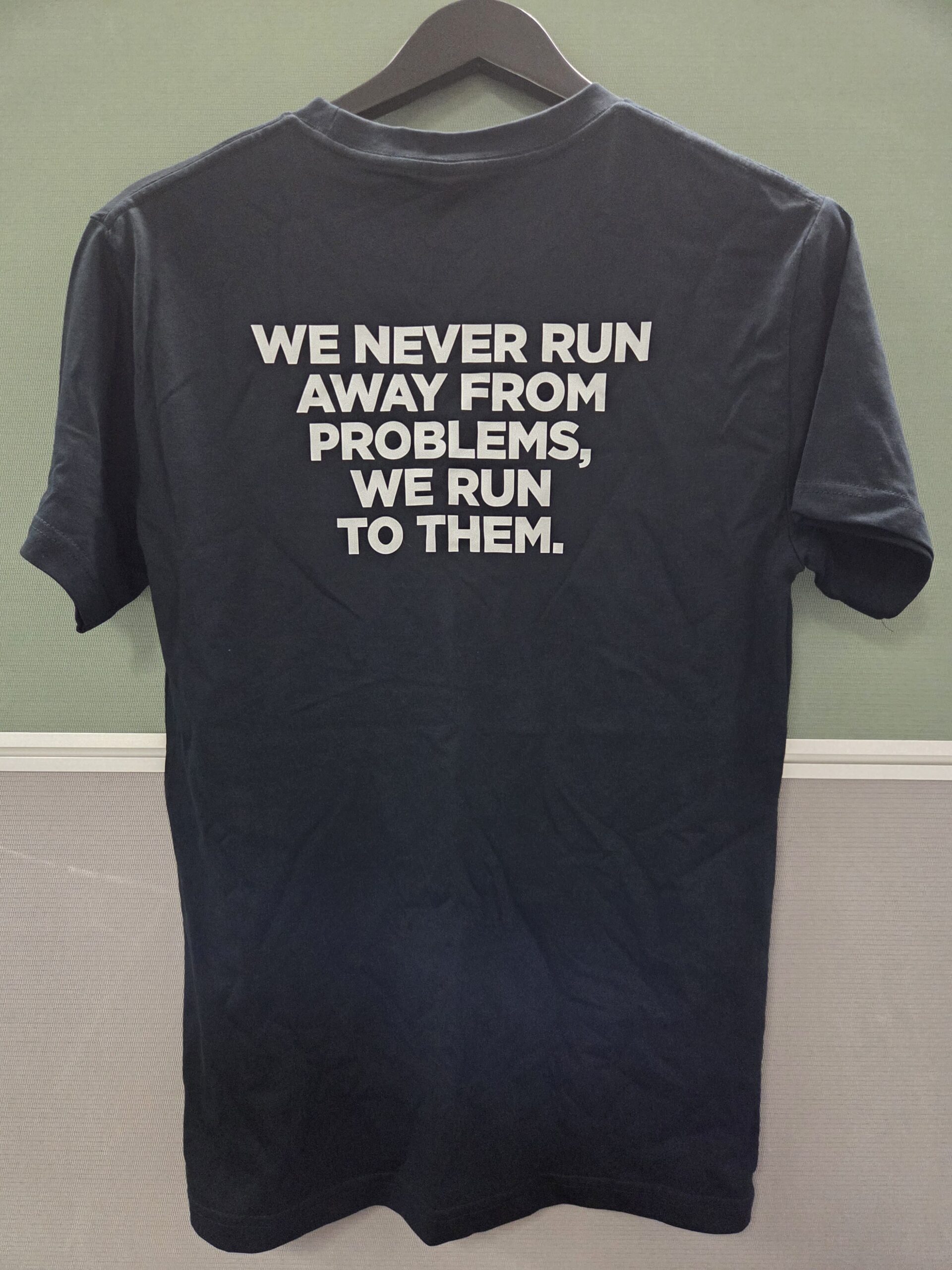
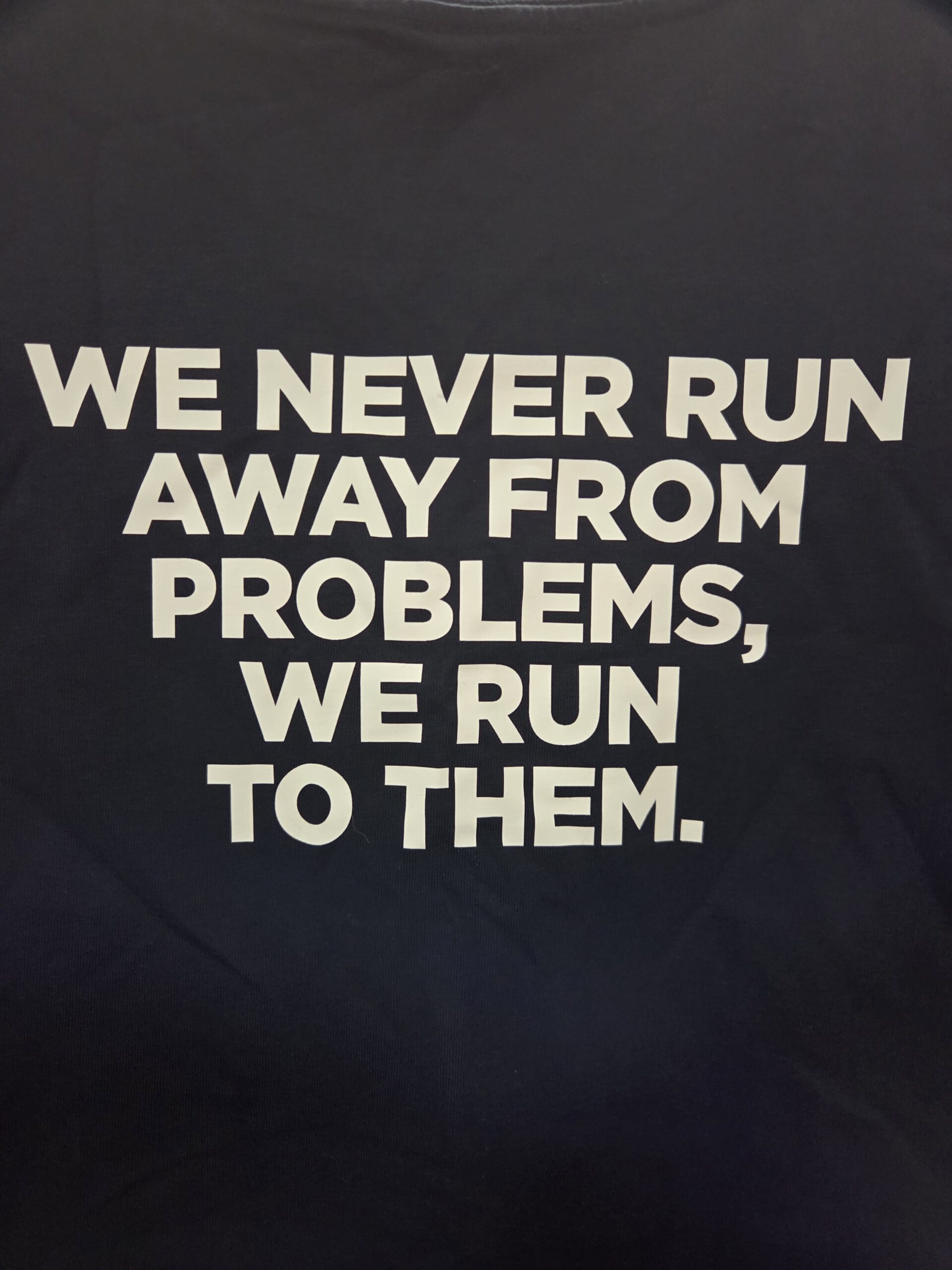
- Cotton T-shirts
- Event apparel
- Campaign clothing
- Promotional merchandise
Embroidery vs Screen Printing: Side-by-Side Comparison
Cost Comparison for Bulk Orders
Embroidery Cost Factors
Embroidery costs do not drop much for bigger orders because each item takes the same amount of time to stitch. Embroidery pricing is determined by:
- Stitch count (detail increases stitch volume)
- Logo size
- Number of thread colours
- Logo placement
Best used when:
- Garments will be worn long-term.
- Replacement cycles need to be minimised.
- The logo is applied in a consistent position.
Screen Printing Cost Factors
Screen printing pricing is influenced by:
- Number of colours in the design
- Number of screens required
- Print size and placement
- Total quantity. After the screens are set up, printing additional items is quicker, and the cost per item decreases.
Best used when:
- Quantities are high
- Designs are consistent across all garments.
- Apparel is intended for limited-duration use.
How Each Method Holds Up After Washing?
Embroidery Over Time
People often pick embroidery for clothes that are washed every week or even every day, including items cleaned in industrial laundries.
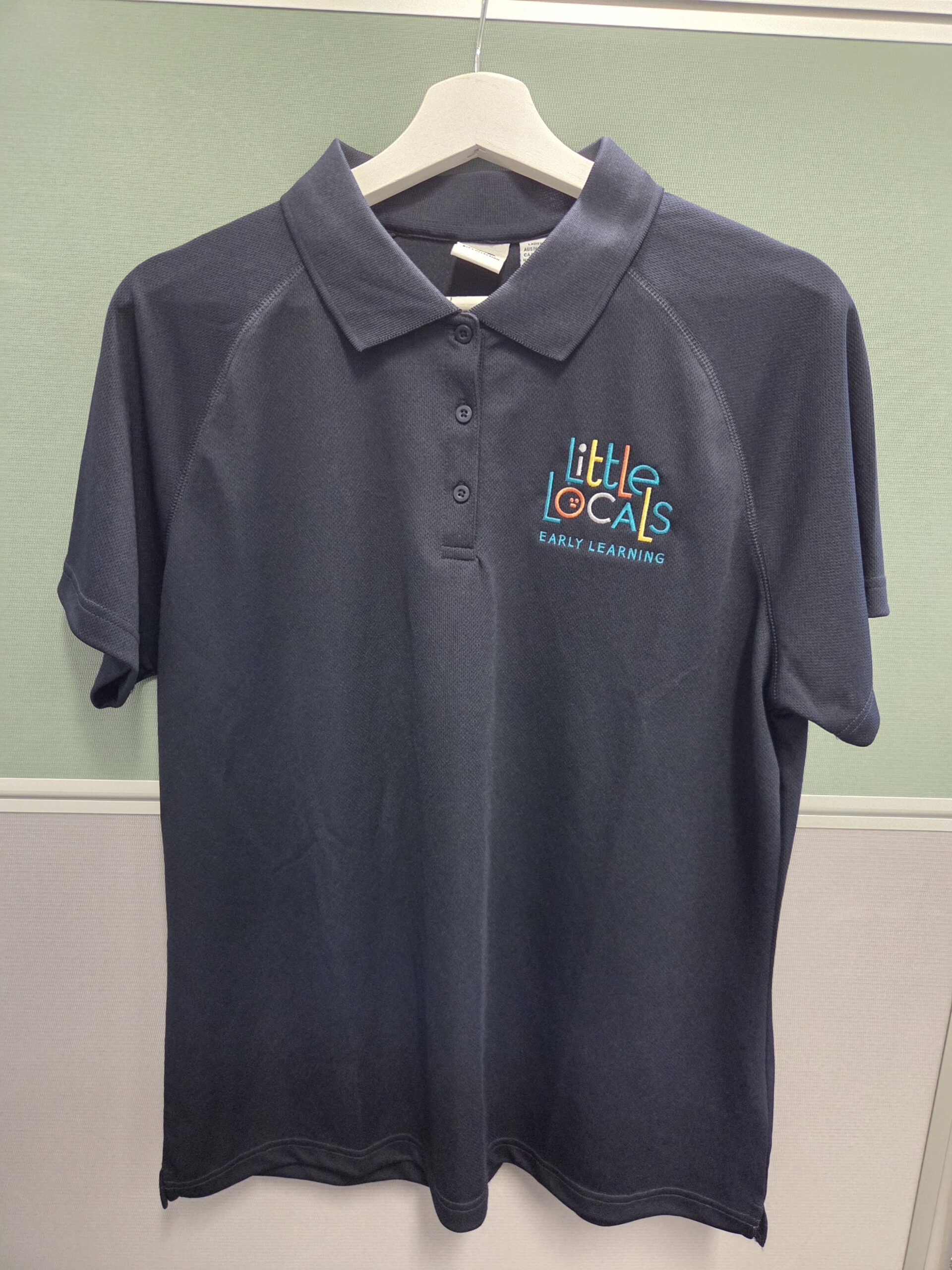
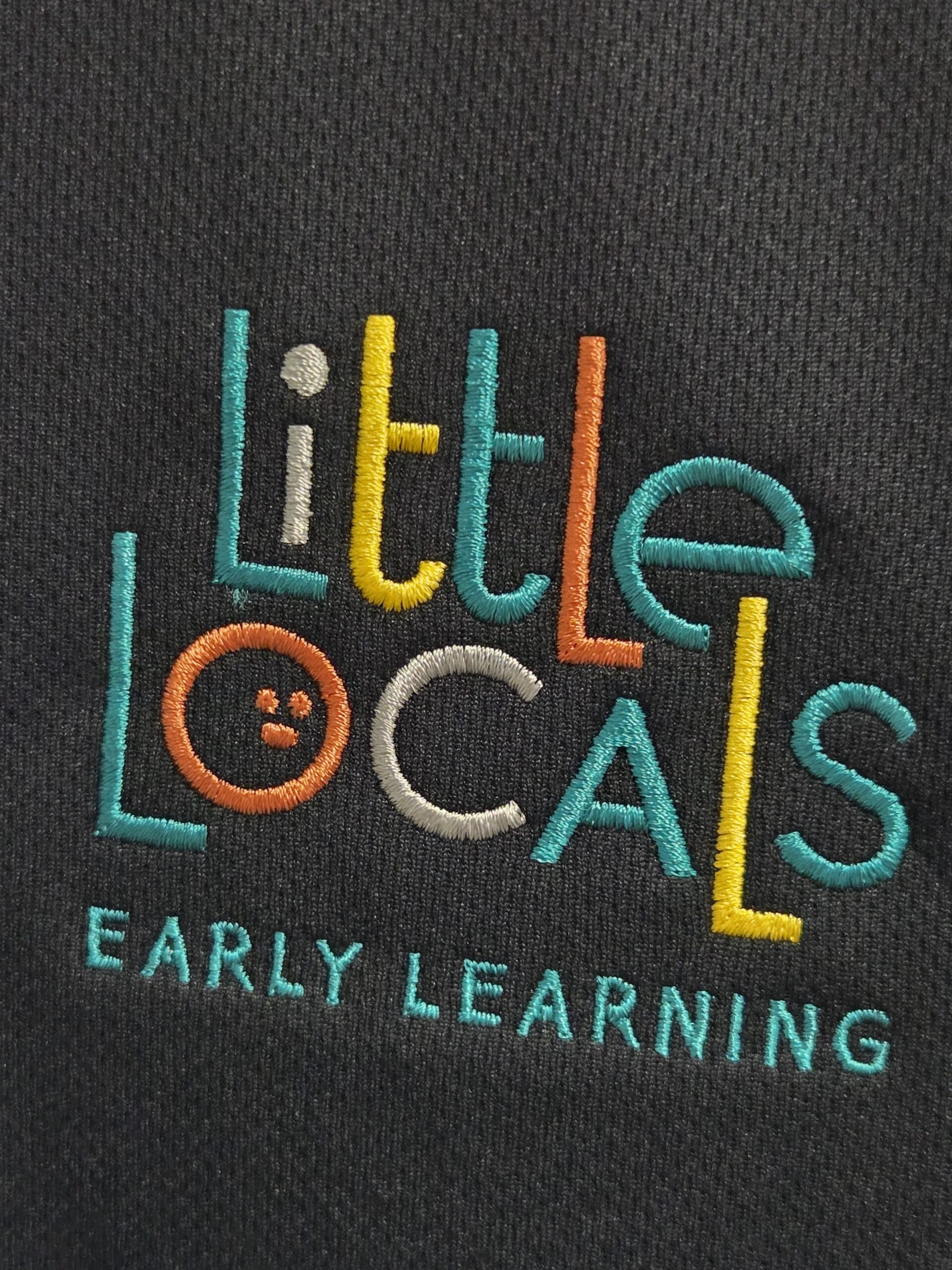
Since embroidery uses thread that is sewn into the fabric,
- The logo does not crack or peel
- Colour retention remains stable.
- The stitching withstands frequent washing.
Screen Printing Over Time
With proper care, screen printing can last a long time, but the ink may degrade more quickly. High heat can make screen printing wear out faster. It can reduce lifespan.
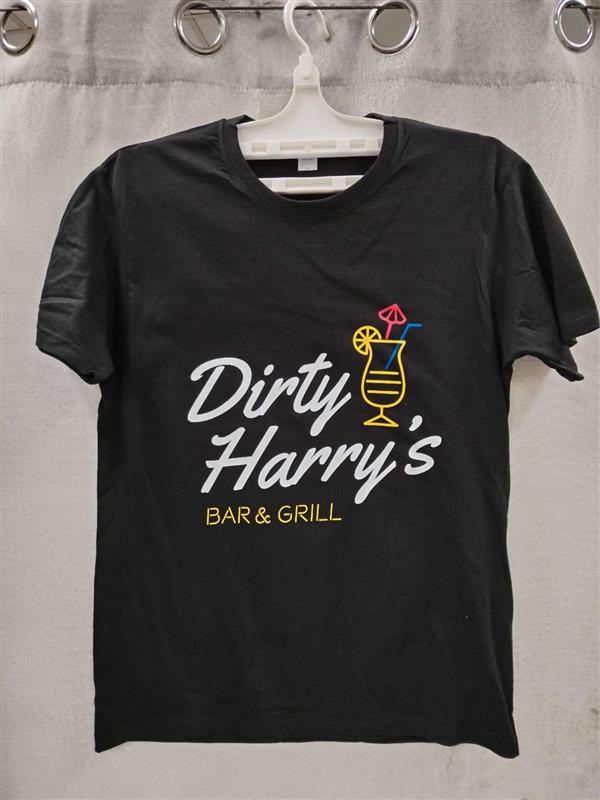
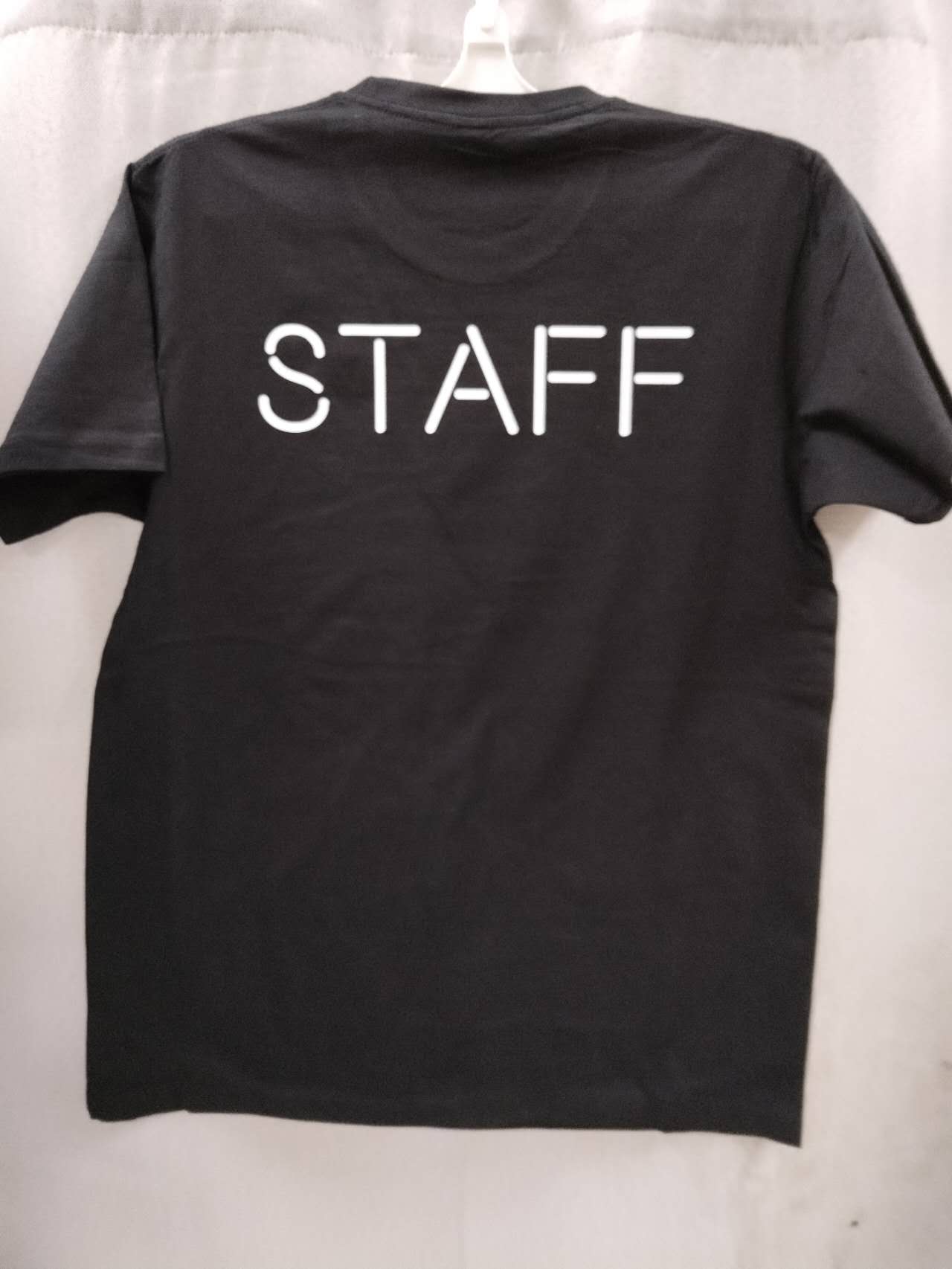
Screen printing durability depends on:
- Ink quality
- Fabric composition
- Washing temperature and drying method
How Each Method Affects Brand Presentation?
Embroidery Finish
Embroidery is usually used for logos on the chest, sleeves, and hats. Embroidery creates a raised, stitched surface that:
- Adds texture to the garment
- It is commonly used on corporate and trade clothing that will be worn for a long time.
Screen Printing Finish
Screen printing creates a flat layer of ink that applies artwork and text.
- Reproduces solid colour blocks accurately
- Works well on the front or back of T-shirts.
Garments That Work Well with Embroidery
- Polo shirts (Shop Polo Shirts here)
- Jackets and vests (Shop Jackets here)
- Work shirts (Shop Workwear here)
- Caps and hats (Shop Caps here)
- Hoodies (Shop Hoodies here)
Garments That Work Well with Screen Printing
- Cotton T-shirts (Shop Cotton Tee Shirts here)
- Event-specific clothing
Need Help Choosing The Right Branding Method?
The best branding method depends on how the clothing will be used, how long it needs to last, and how many items you need. Need help choosing the right branding method? Talk to our merchandise experts today to choose the decoration methods that best match the garment type, order volume, and usage needs.
Related reading: See the difference: a visual guide to digital, screen and transfer printing on t-shirts